
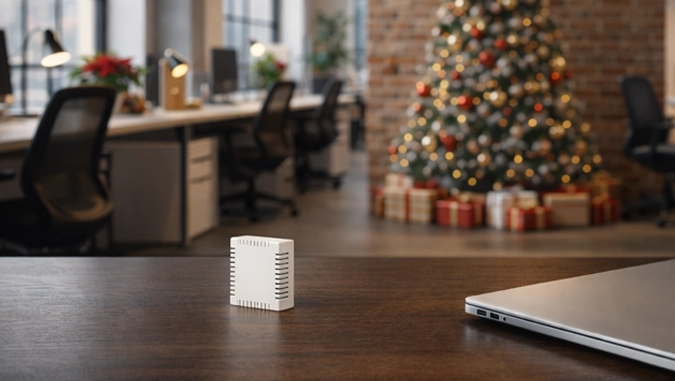


Creating Healthier Homes and Workplaces During the Festive Season
The holiday season is a time for celebration, travel, and togetherness. Homes fill with guests, businesses host events, and offices often operate with reduced ventilation schedules. While the focus is usually on comfort and enjoyment, one critical factor is often overlooked during this period: indoor air quality. As people spend more time indoors during holidays, maintaining clean and healthy air becomes increasingly important for both residential and commercial spaces.
Why Indoor Air Quality Matters More During Holidays
During holidays, indoor environments experience a noticeable change in usage patterns. Homes see increased cooking activity, more people gathered in confined spaces, and extended heating operation. In offices, hotels, retail spaces, and restaurants, fluctuating occupancy levels can stress ventilation systems that are not adjusted in real time. These factors can lead to elevated levels of carbon dioxide (CO2), particulate matter, humidity, and volatile organic compounds (VOCs), all of which can negatively affect comfort, concentration, and overall wellbeing.
Poor indoor air quality during the holiday season can manifest as fatigue, headaches, dry air discomfort, or respiratory irritation. For businesses, it can also impact employee productivity and customer experience at a time when impressions matter most.
Holiday Air Quality Challenges at Home
In residential settings, holidays often mean closed windows, longer cooking sessions, scented candles, fireplaces, and increased indoor humidity from showers and cooking. Heating systems running continuously can further reduce fresh air exchange. Without visibility into what’s happening in the air, these changes often go unnoticed.
Monitoring indoor air quality allows homeowners to understand how everyday holiday activities affect their environment. By tracking parameters such as CO2, temperature, humidity, and particulate levels using the HibouAir standalone CO2 monitor, families can make informed decisions about ventilation, heating adjustments, and air circulation—ensuring a healthier indoor atmosphere throughout the festive period.
Indoor Air Quality in Offices and Commercial Spaces
For businesses, the holiday season presents a different set of challenges. Offices may have fewer people one day and full occupancy the next, while retail and hospitality venues experience peak foot traffic. Fixed ventilation schedules are rarely designed for such dynamic usage patterns.
This is where real-time indoor air quality monitoring becomes especially valuable. By continuously measuring air quality conditions, facility managers can better align ventilation and HVAC operation with actual demand. This not only helps maintain comfort and safety but can also improve energy efficiency during periods of irregular occupancy.
The Role of Indoor Air Quality Monitoring
Effective indoor air quality management starts with reliable data. Modern air quality monitoring devices provide continuous insight into key environmental indicators, helping both homeowners and businesses understand when action is needed. Rather than relying on assumptions or manual checks, monitoring enables proactive decisions—such as increasing ventilation when CO2 rises or adjusting humidity to prevent dry indoor air.
Solutions such as air quality monitoring devices like HibouAir, combined with Bluetooth or cloud-based data access, make it easier to visualize trends and respond to changes in real time. These systems are increasingly used not only in smart homes, but also in offices, schools, and commercial buildings looking to improve indoor environmental quality without complex infrastructure changes.
Practical Steps to Improve Holiday Indoor Air Quality
Improving indoor air quality during the holidays does not require drastic changes. Simple actions such as periodically ventilating rooms, balancing humidity levels, and avoiding prolonged exposure to indoor pollutants can make a significant difference. However, the most effective approach is combining these habits with continuous monitoring. When air quality data is visible, it becomes easier to understand how daily activities affect indoor conditions and to take timely action.
For businesses, integrating monitoring data into existing building management workflows can help maintain consistent indoor conditions even during unpredictable holiday schedules. This data-driven approach supports healthier indoor environments while maintaining operational efficiency.
Looking Beyond the Holiday Season
While the holidays highlight the importance of indoor air quality, the benefits of monitoring extend well beyond the festive period. Understanding indoor environmental trends over time helps build healthier, more resilient spaces year-round. Whether in a family home or a commercial facility, indoor air quality monitoring supports better decision-making, improved comfort, and long-term wellbeing.
As awareness of indoor environmental health continues to grow, adopting a proactive approach to indoor air quality is becoming an essential part of modern living and workplace management—especially during periods when indoor spaces are used more intensively.