Why Multi-Sensor Air Quality Monitoring Matters — And How HibouAir DUO Leads the Way

Indoor air quality has become one of the most important health and productivity factors in modern living. We spend up to 90% of our time indoors — at home, in offices, in schools, and in other enclosed environments. Yet many of these spaces contain elevated levels of carbon dioxide (CO2), harmful particulate matter (PM), and other pollutants that can affect how we feel, how we think, and how well we perform. With more organizations paying attention to ventilation, energy efficiency, and workplace wellness, accurate indoor air quality monitoring is no longer optional; it’s essential.

The Problem: Most Sensors Only Capture Part of the Air Quality Story

Although there is growing interest in indoor air quality, the market is full of devices that offer only a partial view of what’s really happening in the environment. Many monitors focus solely on CO2 levels, which are important for measuring ventilation efficiency and detecting occupancy-related issues — but CO2 alone cannot reveal the presence of harmful particles in the air.

On the other hand, some devices focus only on PM 1.0, PM2.5 or PM10, which are critical indicators of pollution from dust, smoke, outdoor air infiltration, and indoor activities. PM sensors help assess filtration performance and identify the presence of airborne particles that affect respiratory health. But without CO2 monitoring, there’s no way to understand how stale or poorly ventilated the air is, which is equally important.

This split approach means users often need to buy multiple devices to get a full picture — adding complexity, cost, and inconsistent data. In environments like offices, schools, hospitals, or production facilities, relying on single-parameter sensors can lead to misinformed decisions about ventilation, filtration, and safety.

The Solution: One Device That Combines CO2 and PM Monitoring — HibouAir DUO

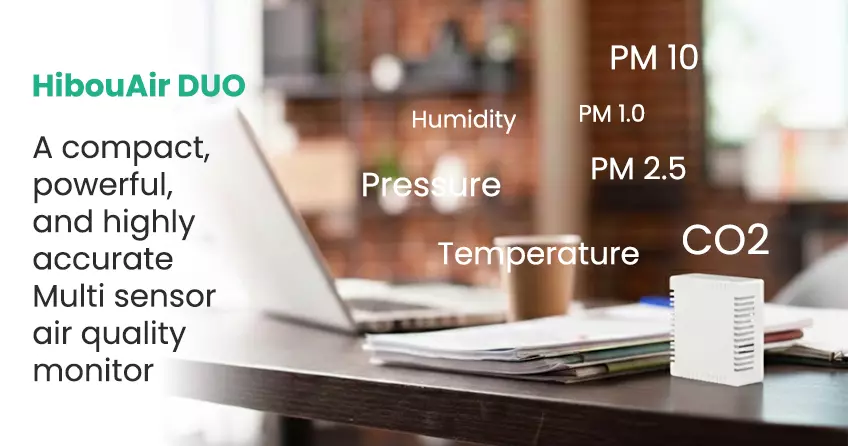
This is where HibouAir DUO stands out. Instead of forcing users to choose between CO2 or PM, HibouAir DUO combines both of the most essential indoor air quality parameters in a single, compact sensor. By integrating high-accuracy CO2 measurement with detailed PM monitoring (PM1.0, PM2.5, and PM10), the device provides a complete, real-time understanding of indoor environmental health. It also includes additional measurements such as temperature, humidity, VOCs, and atmospheric pressure, giving users an even more holistic view of the air they breathe.

What makes this especially valuable is that CO2 and PM represent two different categories of indoor air challenges. CO2 reveals how effectively a space is ventilated, while PM exposes pollution sources and filtration needs. When monitored together, they tell the full story — allowing you to understand whether a problem is caused by poor ventilation, outdoor pollution, indoor activity, or a combination of factors. This makes HibouAir DUO not just a sensor, but a powerful decision-making tool for improving air quality, comfort, and energy efficiency.

Why Multi-Sensor Monitoring Changes Everything

A multi-sensor approach helps identify issues that a single reading would miss. For example, a room may show low CO2 levels because ventilation is running well, but PM could still be high due to dust, cleaning, or outside pollution entering the building. Conversely, PM may be low while CO2 is rising, indicating that ventilation is insufficient even though the air “looks” clean. With HibouAir DUO capturing all the key data points at once, users can act quickly and accurately to resolve the true cause of indoor air problems.

In workplaces, this leads to better productivity and comfort. In schools, it supports healthier learning environments. In healthcare and industrial spaces, it strengthens safety and compliance. And for smart building managers, it allows more precise optimization of HVAC systems, reducing energy waste while maintaining healthy indoor conditions.

A Smarter, Connected Way to Monitor Air Quality

Beyond the sensor itself, HibouAir DUO offers flexible connectivity options — Bluetooth, Wi-Fi, and even cellular LTE-M — making it suitable for everything from smart offices to remote industrial sites. Real-time data is accessible through the HibouAir mobile app and cloud dashboard, enabling continuous tracking, historical analysis, and data-driven decisions.
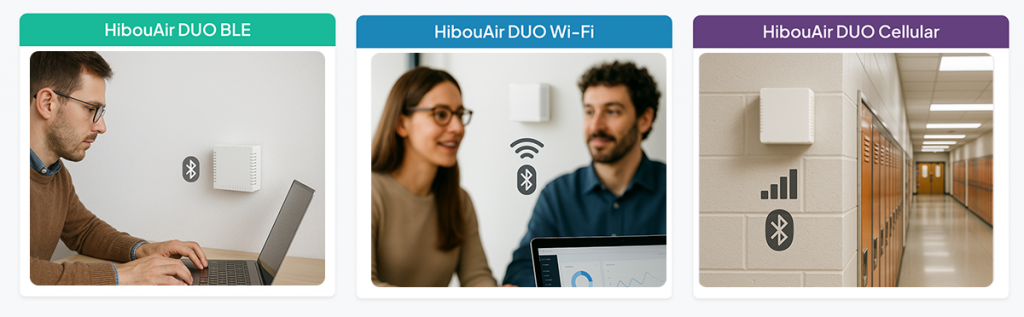
The simplicity of installation and the accuracy of the readings make HibouAir DUO an effective solution for anyone seeking reliable indoor air quality insights without complexity or multiple devices.

Cleaner, Healthier Spaces Start With Better Data

Indoor air quality monitoring is only as effective as the information you can gather. Relying on single-parameter sensors limits your ability to understand what’s truly happening in your environment. HibouAir DUO solves this problem by bringing CO2 and PM sensing together — along with temperature, humidity, VOCs, and pressure — in one compact and intelligent device.

Whether you’re managing a workspace, a classroom, a healthcare facility, or your own home, having accurate, multi-sensor data empowers you to make smarter choices for ventilation, filtration, comfort, and overall well-being. HibouAir DUO delivers the complete picture — so you can take control of the air you breathe.

Share this post on :

A Real-World Use Case with HibouAir : Smart Ventilation & Climate Control

Biotonomy, a company known for its nature-based architecture and sustainable climate-adaptive design, creates buildings and cities that function more like ecosystems than traditional structures. Their work focuses on environments that breathe, adapt, and respond ­– ensuring well-being for both people and nature. One of their innovative installations features a modern hotel in Malaga, Spain, where HibouAir air quality monitoring sensors and a Gateway are deployed throughout the rooms to deliver continuous, real-time environmental data.

This data powers Maria Monstera, an advanced AI dashboard designed to monitor, optimize, and interact with the hotel’s hydroponic vertical garden and indoor climate conditions. Through this integration, the hotel benefits from a fully automated ventilation and climate control system built on responsive, data-driven intelligence.

Real-Time Environmental Intelligence Powered by HibouAir

HibouAir devices installed throughout the hotel rooms measure key environmental parameters and overall room conditions. This real-time data is continuously transmitted to the AI dashboard Maria Monstera, enabling precise, immediate actions that support the health of both the indoor garden system and the guests.

How the AI Dashboard Maria Monstera Uses HibouAir Data

Supporting Plant Health

The AI dashboard Maria Monstera continuously observes important parameters for the hydroponic vertical garden. This includes humidity, temperature, light levels, water quality, and nutrient conditions. By tracking environmental fluctuations and identifying irregularities as soon as they appear, the AI helps maintain stable conditions so that plants remain strong, healthy and stress-free.

Smart Ventilation & Climate Control

Using HibouAir sensor data, the AI dashboard ensures that ventilation and climate control remain responsive and adaptive. Instead of acting as a passive system, the dashboard actively optimizes airflow and humidity. It regulates ventilation openings, adjusts airflow distribution and maintains balanced moisture levels for both people and plants. This approach also helps prevent mold growth and reduces the risk of poor indoor air quality, ensuring healthier indoor conditions throughout the space.

Energy-Efficient Optimization

The AI dashboard adapts lighting, fans and supplementary climate controls based on real-time needs rather than fixed timers. It responds to actual environmental changes and learns daily activity patterns. By doing so, the system reduces unnecessary energy use and introduces cost-efficient operations that evolve over time.

Interactive Visitor Experience

Maria Monstera is also part of an interactive kiosk interface that engages hotel visitors. Through this interface, the AI explains concepts connected to the nature-based installation, such as photosynthesis, water purification, biodiversity and pollination. This creates a more immersive and educational experience, connecting guests directly to the sustainable architectural concept around them.

Proactive Intelligence

The AI dashboard combines HibouAir data with learned behavioral patterns to maintain long-term system stability. It detects early signs of irregularities, highlights possible maintenance needs and suggests improvements that can enhance performance over time. By continuously analyzing trends, the AI ensures that the hydroponic system and indoor climate remain optimized without requiring manual intervention.

A Digital Gardener for Sustainable Spaces

Maria Monstera is positioned as a digital gardener — an intelligent dashboard designed to monitor, interpret and act on environmental data. Its purpose is clear: support maximum plant vitality, ensure efficient energy use and create an engaging experience for visitors. Through continuous data-driven adjustments, it helps maintain a living environment that adapts naturally and responsibly.

This real-world implementation demonstrates how HibouAir sensors can integrate seamlessly into advanced AI-driven environments. By providing accurate, real-time environmental data, HibouAir enables intelligent dashboards like Maria Monstera to manage ventilation, climate stability and plant health in a fully adaptive way. Combined with Biotonomy’s nature-based architecture, the result is a hotel environment that is healthier, more efficient and deeply connected to sustainable design principles.

Share this post on :

VOCs in Your Indoor Air: How HibouAir Helps You Stay Informed

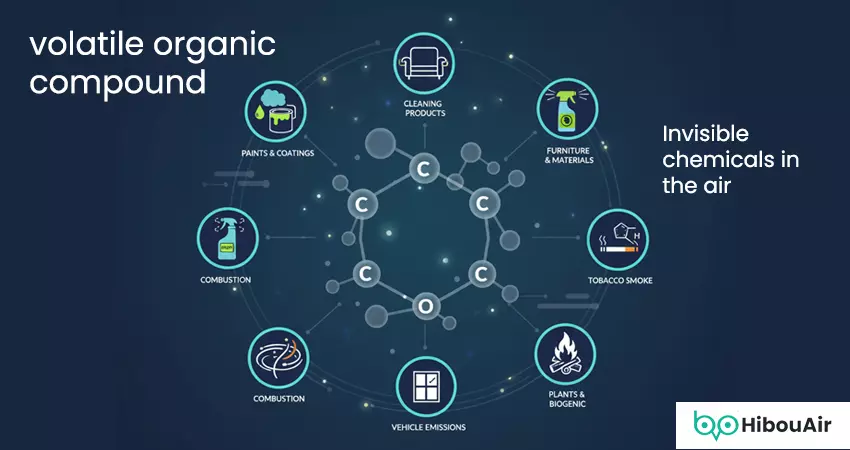
Volatile Organic Compounds (VOCs) are chemicals that easily evaporate at room temperature, turning into gases that mix with the air. They come from a variety of common household products and materials. In indoor environments, VOCs are a major concern because they can accumulate to higher concentrations than outdoors. In fact, studies have found that indoor levels of VOCs often average 2–5 times higher than outdoor levels – and during certain activities like paint stripping, they can spike to 1,000 times higher than background outdoor levels [epa.gov]. This means that everyday activities in a closed space (like cooking, cleaning, or painting) can lead to a buildup of these invisible pollutants in your home or office.

What Are VOCs and Where Do They Come From?

VOCs are a wide group of carbon-based chemicals that evaporate into the air, many of which are commonly found in homes and offices. These compounds are emitted from a wide variety of products and materials. Paints, varnishes, and adhesives, for example, often release strong-smelling vapors that are actually VOCs. Household cleaners, disinfectants, and air fresheners may contain solvents or synthetic fragrances that also emit VOCs. Building materials such as carpets, pressed wood furniture, flooring, and cabinetry often off-gas chemicals like formaldehyde. Combustion sources such as cigarette smoke, gas stoves, and kerosene heaters also contribute to indoor VOC levels. Even personal care products like nail polish remover and hair sprays add to the mix. Over time, in poorly ventilated spaces, these emissions can accumulate and degrade indoor air quality, even if you can’t always detect an odor.

Health Effects: How VOCs Can Affect You

Poor indoor air quality from VOCs isn’t just an abstract problem – it has real and noticeable effects. In the short term, exposure to elevated VOC levels can cause eye, nose, and throat irritation, headaches, dizziness, and fatigue (EPA). One of the most common indoor VOCs, formaldehyde, is known to cause watery eyes, burning sensations in the eyes and throat, nausea, and difficulty breathing at levels above about 0.1 parts per million (ppm) (EPA).

Longer-term exposure to VOCs can pose even greater risks. Several VOCs are linked to damage to the liver, kidneys, or central nervous system. Some, like benzene – found in tobacco smoke and gasoline – are classified as known human carcinogens. The World Health Organization (WHO) warns that no safe level of exposure can be recommended for benzene, which means any detectable amount in indoor air is considered a potential health risk (WHO). For formaldehyde, the WHO recommends a short-term indoor exposure limit of 0.1 mg/m³ (approximately 0.08 ppm), to prevent sensory irritation (WHO).

The U.S. Occupational Safety and Health Administration (OSHA), which sets standards for workplace air quality, defines Permissible Exposure Limits (PELs) for chemicals like formaldehyde. For example, OSHA’s legal limit is 0.75 ppm averaged over an 8-hour shift, with a short-term exposure limit of 2 ppm over 15 minutes (OSHA). These thresholds reflect industrial settings and should not be used as residential safety targets, but they underline the danger of high VOC levels.

Ultimately, the effects of VOCs vary depending on the specific chemical, exposure duration, and individual sensitivities. Children, pregnant women, and individuals with asthma or allergies are particularly vulnerable. Monitoring VOCs helps detect problems early and empowers you to take control.

How HibouAir Helps You Monitor and Manage Indoor VOCs

Understanding VOCs and their risks is the first step—but the next is actively monitoring your indoor environment. That’s where HibouAir comes in. HibouAir is a smart indoor air quality monitor designed to make invisible pollutants like VOCs visible and actionable for everyday users. At its core, HibouAir uses the advanced BME680 gas sensor, which detects a wide range of gases associated with indoor air pollution. This includes volatile organic compounds (VOCs) commonly released from paints (such as formaldehyde), lacquers, paint strippers, cleaning agents, furniture, office equipment, adhesives, glues, and even alcohol-based products. By continuously tracking these pollutants in real-time—along with other key air quality factors—HibouAir helps you with the data you need to understand and improve the air you live and work in.

Here’s how HibouAir can help you maintain healthy indoor VOC levels:

Real-Time VOC Monitoring: HibouAir contains sensitive sensors that detect VOCs in the air. It gives you up-to-the-minute readings of your indoor VOC concentration. Instead of guessing whether the air in your home is “stuffy” or polluted after using a product, you can simply check the HibouAir readings.

User-Friendly Alerts and Data: The device is designed for general users, so it presents air quality information in a clear, easy-to-understand manner. You’ll know at a glance when the air quality is declining.

Tracking Trends Over Time: HibouAir logs historical data of your air quality. Over days and weeks, you can observe patterns in VOC levels. Identifying these patterns helps you pinpoint sources of pollution and take targeted action.

Peace of Mind and Healthier Living: HibouAir helps you verify that your indoor environment meets the recommended thresholds. It provides the data you need to ensure a healthier space for you and your loved ones.

Sources:

  • World Health Organization (WHO) – Guidelines for Indoor Air Quality: Selected Pollutants (formaldehyde short-term guideline of 0.1 mg/m³) higieneambiental.com; (benzene – no safe level) higieneambiental.com.
  • U.S. Environmental Protection Agency (EPA) – Information on VOCs and indoor air quality epa.gov; health effects of formaldehyde above 0.1 ppm epa.gov; reference concentration for toluene (5 mg/m³) epa.gov.
  • U.S. Occupational Safety and Health Administration (OSHA) – Permissible Exposure Limits for formaldehyde (0.75 ppm TWA; 2 ppm STEL) osha.gov.

Share this post on :

Real-World Use Case Powered by HibouAir : Long-Term Air Quality Monitoring in Swedish Neighborhoods

Smart Sensor Devices AB proudly delivers advanced air quality monitoring solutions designed for long-term measurement and reliable environmental insights. One of the companies benefiting from this technology is Fluetec AB, an environmental services provider based in Stockholm, Sweden, focused on improving air quality awareness and transparency across urban communities.

Understanding Air Quality Challenges in Urban Settings

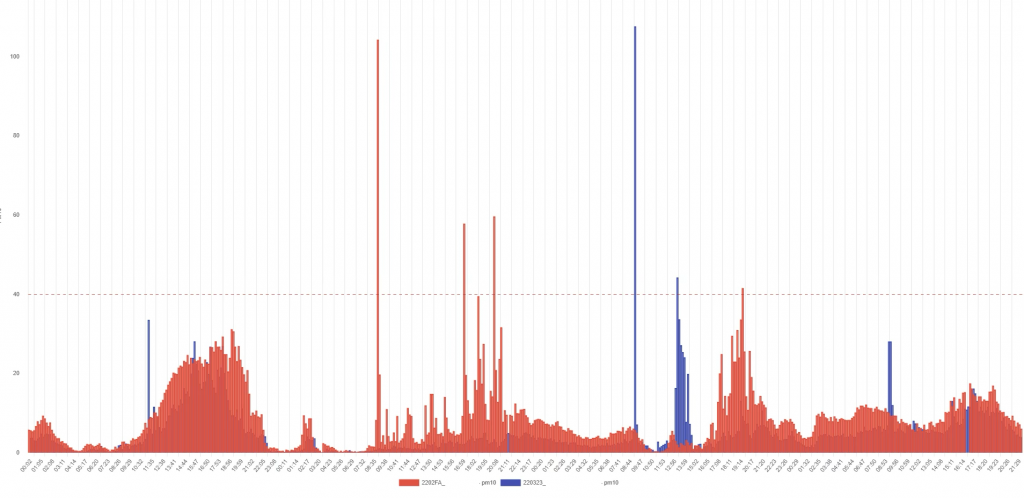
In many city neighborhoods, residents have raised concerns about the impact of soot emissions from wood-burning stoves, especially during colder seasons. These emissions can contribute to elevated particulate matter (PM) levels, affecting both comfort and health. Traditional short-term measurements are often insufficient to capture how air quality fluctuates throughout the day or across different areas.

To address this, Fluetec AB uses the HibouAir Air Quality Monitoring solution to collect accurate, continuous data on critical environmental parameters — including PM1.0, PM2.5, and PM10. This approach allows them to monitor real-world conditions in a reliable and structured way.

Deploying HibouAir Across Multiple Neighborhood Locations

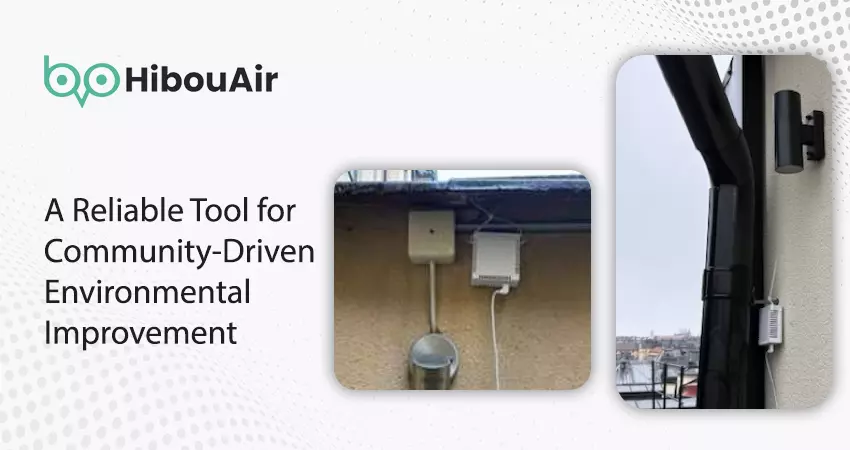
Fluetec deploys multiple HibouAir air quality monitoring devices in strategic outdoor locations to gather representative air quality data. This setup enables them to observe pollution behavior in different areas and identify where PM levels rise the most.

Because HibouAir devices are simple to install and designed for long-term durability, they provide Fluetec with a practical and scalable monitoring network that can operate continuously without extensive maintenance.

Real-Time Data and Long-Term Performance

With HibouAir, Fluetec benefits from real-time access to environmental data, allowing them to track changes as they occur. The long-term reliability of the devices ensures uninterrupted measurement, giving Fluetec the ability to build a comprehensive dataset that reveals daily and seasonal trends.

This consistent flow of information supports environmental monitoring efforts and contributes to ongoing regulatory compliance, especially where particulate matter limits are a concern.

Turning Data Into Actionable Insights

By analysing the collected data through HibouAir’s advanced analytics software, Fluetec can quantify pollution levels across different areas and pinpoint specific times of day when air quality deteriorates. These insights help them better understand the behavior of particulate emissions and identify potential pollution sources.

This data-driven approach enhances transparency, supports cleaner air initiatives, and ultimately contributes to creating a healthier environment for residents living in the monitored areas.

Share this post on :

Contact Us

Call us or simply fill out the form below, and one of our representatives will get back to you as soon as possible.