How Indoor Air Quality Monitoring Helps Identify Hidden Sources of Pollution

Indoor air pollution is rarely the result of a single obvious problem. In homes, offices, schools, and commercial buildings, air quality issues often develop gradually and invisibly. People may notice headaches, fatigue, poor concentration, or discomfort, but the root cause remains unclear. Without reliable data, indoor air quality problems are frequently addressed through guesswork rather than informed action.

This is where indoor air quality monitoring plays a critical role. By continuously measuring key environmental parameters, air quality monitors make it possible to identify pollution sources, understand when and where problems occur, and take targeted corrective measures instead of relying on assumptions.

The challenge of identifying indoor pollution sources

Indoor environments are complex. Air quality can change from room to room and from hour to hour, influenced by occupancy, activities, ventilation behavior, and even outdoor conditions. Without monitoring, it is difficult to determine whether poor air quality is caused by human presence, building materials, ventilation limitations, or daily activities such as cooking or cleaning.

Many indoor pollution sources are intermittent. A meeting room may experience elevated CO2 levels only during long meetings. Particulate matter may increase briefly during cooking or maintenance work. Volatile organic compounds can rise after cleaning, renovations, or the introduction of new furniture. These events are easy to miss if air quality is only assessed occasionally or based on perception.

Why perception alone is not enough

Human senses are not reliable indicators of air quality. Air can feel fresh while pollutant levels remain elevated, and unpleasant symptoms may appear long after the original pollution event has passed. Relying on smell, temperature, or comfort alone often leads to delayed or ineffective responses.

This uncertainty can result in over-ventilation, under-ventilation, or unnecessary investments in equipment that do not address the real issue. Without data, it is difficult to justify changes to ventilation strategies or building operations, especially in professional or regulated environments.

How air quality monitoring reveals pollution patterns

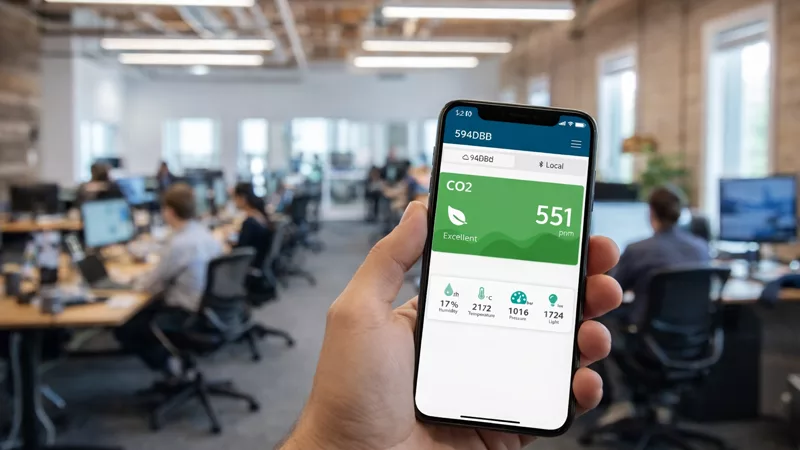
Continuous indoor air quality monitoring replaces assumptions with measurable evidence. By tracking parameters such as CO2, particulate matter, temperature, humidity, pressure, and VOC levels over time, monitoring systems reveal patterns that are otherwise invisible.

When air quality data is viewed alongside time and location, it becomes possible to see clear correlations. CO2 levels that rise consistently during occupied hours point to ventilation limitations. Particulate spikes that coincide with specific activities indicate localized sources. VOC trends that appear after cleaning or refurbishment suggest chemical emissions rather than outdoor pollution.

These insights help building owners, facility managers, and homeowners understand not only that a problem exists, but also why it exists.

From raw data to actionable insight

The real value of indoor air quality monitoring lies in interpretation. Historical data and real-time trends allow users to compare different rooms, identify recurring events, and distinguish between temporary fluctuations and long-term issues.

For example, monitoring can show whether poor air quality is driven by occupancy density, insufficient airflow, or external pollution entering the building. It can also confirm whether corrective actions, such as adjusting ventilation schedules or changing cleaning products, have a measurable impact on indoor conditions.

Modern monitoring solutions provide clear visualizations through dashboards, making it easier to communicate findings to decision-makers and support data-driven improvements.

Supporting healthier indoor environments

By identifying pollution sources accurately, indoor air quality monitoring supports healthier and more comfortable environments. In offices, this can lead to improved concentration and productivity. In schools and care facilities, it contributes to better well-being and reduced health risks. In residential spaces, it empowers occupants to make informed lifestyle and ventilation choices.

Monitoring also supports long-term building performance by preventing issues related to moisture, poor ventilation, and air stagnation, which can otherwise lead to costly maintenance or compliance challenges.

The role of modern monitoring solutions

Advanced indoor air quality monitoring solutions, such as those offered by HibouAir, combine multiple environmental sensors into a single device to provide a comprehensive view of indoor conditions. Rather than focusing on a single parameter, multi-sensor monitoring makes it easier to identify relationships between different pollutants and environmental factors.

By continuously collecting and presenting accurate air quality data, these systems help users move from reactive responses to proactive management of indoor environments.

Turning awareness into action

Identifying the source of indoor air pollution is the first step toward meaningful improvement. Indoor air quality monitoring transforms invisible risks into visible, measurable information, enabling targeted actions that address the real cause of the problem rather than its symptoms.

As awareness of indoor environmental quality continues to grow, data-driven monitoring is becoming an essential tool for anyone seeking healthier, more efficient, and more resilient indoor spaces.
Share this post on :

Creating Healthier Homes and Workplaces During the Festive Season

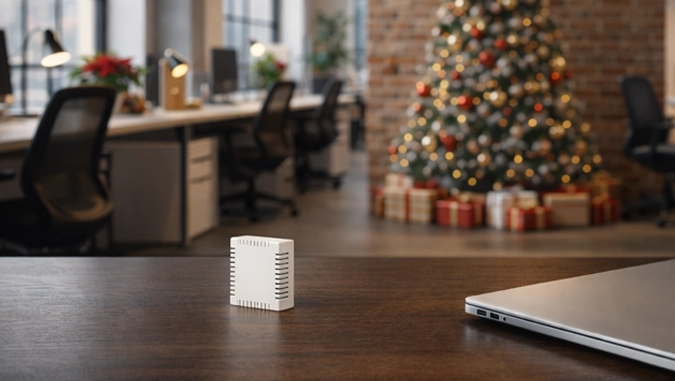
The holiday season is a time for celebration, travel, and togetherness. Homes fill with guests, businesses host events, and offices often operate with reduced ventilation schedules. While the focus is usually on comfort and enjoyment, one critical factor is often overlooked during this period: indoor air quality. As people spend more time indoors during holidays, maintaining clean and healthy air becomes increasingly important for both residential and commercial spaces.

Why Indoor Air Quality Matters More During Holidays

During holidays, indoor environments experience a noticeable change in usage patterns. Homes see increased cooking activity, more people gathered in confined spaces, and extended heating operation. In offices, hotels, retail spaces, and restaurants, fluctuating occupancy levels can stress ventilation systems that are not adjusted in real time. These factors can lead to elevated levels of carbon dioxide (CO2), particulate matter, humidity, and volatile organic compounds (VOCs), all of which can negatively affect comfort, concentration, and overall wellbeing.

Poor indoor air quality during the holiday season can manifest as fatigue, headaches, dry air discomfort, or respiratory irritation. For businesses, it can also impact employee productivity and customer experience at a time when impressions matter most.

Holiday Air Quality Challenges at Home

In residential settings, holidays often mean closed windows, longer cooking sessions, scented candles, fireplaces, and increased indoor humidity from showers and cooking. Heating systems running continuously can further reduce fresh air exchange. Without visibility into what’s happening in the air, these changes often go unnoticed.

Monitoring indoor air quality allows homeowners to understand how everyday holiday activities affect their environment. By tracking parameters such as CO2, temperature, humidity, and particulate levels using the HibouAir standalone CO2 monitor, families can make informed decisions about ventilation, heating adjustments, and air circulation—ensuring a healthier indoor atmosphere throughout the festive period.

Indoor Air Quality in Offices and Commercial Spaces

For businesses, the holiday season presents a different set of challenges. Offices may have fewer people one day and full occupancy the next, while retail and hospitality venues experience peak foot traffic. Fixed ventilation schedules are rarely designed for such dynamic usage patterns.

This is where real-time indoor air quality monitoring becomes especially valuable. By continuously measuring air quality conditions, facility managers can better align ventilation and HVAC operation with actual demand. This not only helps maintain comfort and safety but can also improve energy efficiency during periods of irregular occupancy.

The Role of Indoor Air Quality Monitoring

Effective indoor air quality management starts with reliable data. Modern air quality monitoring devices provide continuous insight into key environmental indicators, helping both homeowners and businesses understand when action is needed. Rather than relying on assumptions or manual checks, monitoring enables proactive decisions—such as increasing ventilation when CO2 rises or adjusting humidity to prevent dry indoor air.

Solutions such as air quality monitoring devices like HibouAir, combined with Bluetooth or cloud-based data access, make it easier to visualize trends and respond to changes in real time. These systems are increasingly used not only in smart homes, but also in offices, schools, and commercial buildings looking to improve indoor environmental quality without complex infrastructure changes.

Practical Steps to Improve Holiday Indoor Air Quality

Improving indoor air quality during the holidays does not require drastic changes. Simple actions such as periodically ventilating rooms, balancing humidity levels, and avoiding prolonged exposure to indoor pollutants can make a significant difference. However, the most effective approach is combining these habits with continuous monitoring. When air quality data is visible, it becomes easier to understand how daily activities affect indoor conditions and to take timely action.

For businesses, integrating monitoring data into existing building management workflows can help maintain consistent indoor conditions even during unpredictable holiday schedules. This data-driven approach supports healthier indoor environments while maintaining operational efficiency.

Looking Beyond the Holiday Season

While the holidays highlight the importance of indoor air quality, the benefits of monitoring extend well beyond the festive period. Understanding indoor environmental trends over time helps build healthier, more resilient spaces year-round. Whether in a family home or a commercial facility, indoor air quality monitoring supports better decision-making, improved comfort, and long-term wellbeing.

As awareness of indoor environmental health continues to grow, adopting a proactive approach to indoor air quality is becoming an essential part of modern living and workplace management—especially during periods when indoor spaces are used more intensively.

Share this post on :

Air Quality Monitoring in Winter: Why Pollution Levels Rise and How to Stay Protected

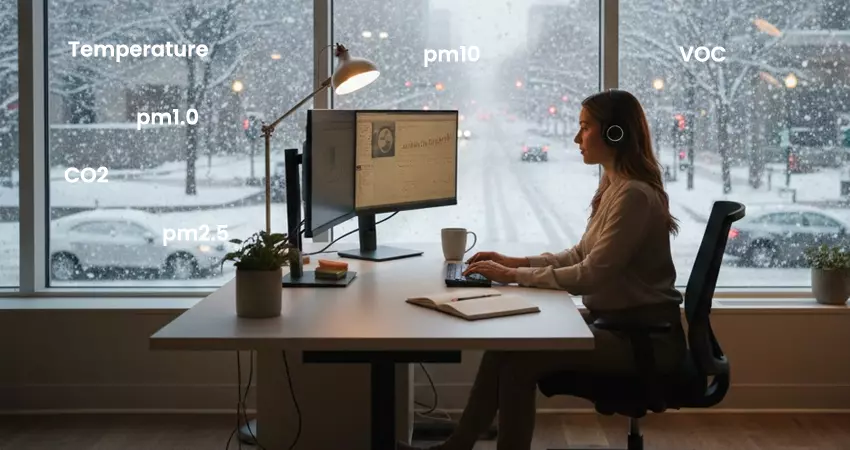
Winter brings colder temperatures, shorter days, and a shift in how we live indoors. But it also brings something less visible — a significant decline in indoor and outdoor air quality. Studies consistently show that pollution levels often rise during winter months due to a combination of weather patterns, increased heating demand, and reduced ventilation. Understanding these seasonal challenges is essential for maintaining a healthy indoor environment, especially in homes, offices, schools, and public buildings.

With advanced monitoring solutions such as the HibouAir indoor air quality monitoring solution – including Standalone Monitoring Device , and the cloud-enabled HibouAir Cloud Solution – users can better understand how winter affects their indoor environment and take timely action to improve it.

Why Air Quality Worsens in Winter

Temperature Inversions Trap Pollutants

During winter, cold air settles close to the ground while warmer air sits above it – a phenomenon known as temperature inversion. This prevents pollutants such as particulate matter (PM) and smoke from rising and dispersing. As a result, outdoor pollution levels remain trapped near residential areas and commercial zones, allowing harmful contaminants to accumulate.

When outdoor air becomes polluted, it has a direct effect on the quality of the air inside our buildings. This relationship is well understood, as changes in external conditions often influence the indoor environment.

Increased Indoor Heating Leads to Poor Ventilation

In colder months, people tend to keep windows closed for long periods to conserve heat. While this keeps spaces warm, it also reduces natural ventilation – allowing CO2, VOCs, humidity, and airborne particles to accumulate indoors. Poor ventilation is particularly problematic in workplaces and classrooms, where high occupancy increases CO2 levels quickly, impacting comfort, cognitive performance, and overall well-being.

Higher Use of Combustion-Based Heating

Wood stoves, fireplaces, kerosene heaters, and other combustion systems release pollutants such as PM2.5, carbon monoxide, and VOCs. In neighborhoods where wood-burning is common, outdoor PM levels can spike significantly in winter — and easily infiltrate indoors.

Higher Occupancy and Indoor Activities

Winter is a time when families spend more hours indoors and workplaces experience less natural airflow. Everyday activities such as cooking, cleaning chemicals, candles, and electronic equipment all contribute to VOC levels. Without continuous monitoring, these pollutants remain unnoticed.

Why Monitoring Air Quality in Winter Is More Important Than Ever

Winter pollution has been linked to respiratory irritation, asthma attacks, fatigue, headaches, increased virus transmission, and reduced cognitive function. Poor indoor air quality also affects productivity and sleep quality

Because buildings remain closed for most of the season, pollutants accumulate faster indoors than outdoors. This makes real-time monitoring essential for understanding how temperature, humidity, CO2, PM, and VOC levels change throughout the day.

With smart monitoring solutions, it becomes possible to ventilate only when necessary – balancing air quality with energy efficiency. HibouAir’s cloud dashboard, helps users make informed decisions during winter without over-ventilating or compromising comfort.

How Smart Sensors Help You Stay Ahead of Winter Air Quality Challenges

Modern air quality monitors integrate multiple environmental sensors – including CO2, particulate matter, VOC, temperature, humidity, and pressure – into a single, compact device. Solutions such as the HibouAir Duo and the HibouAir Desktop Solution provide real-time, reliable measurements that reveal how pollution levels fluctuate during winter. These devices are adaptable across a wide range of indoor environments, supporting residential homes, apartments, offices, meeting rooms, co-working spaces, educational institutions, healthcare facilities, public buildings, libraries, fitness centers, and hospitality venues. By continuously collecting and presenting detailed environmental data, HibouAir enables users to interpret trends, recognize when ventilation is necessary, and respond to winter-related air quality challenges before they escalate. The platform’s intuitive dashboards, notifications, and historical data analytics reinforce the importance of long-term monitoring.

Small Actions Make a Big Difference in Winter

With the right monitoring tools, improving indoor air quality becomes simple and practical. Actions such as timed ventilation, using extractor fans while cooking, maintaining humidity between recommended ranges, and tracking CO2 levels can drastically enhance comfort and health.

For users looking for a plug-and-play solution to begin monitoring immediately, the HibouAir Standalone Device offers quick setup for homes and small offices. For more advanced use cases, cloud-based solutions support multi-room, multi-building winter monitoring with automated analytics.

Winter is one of the most critical seasons for air quality management. With reduced ventilation, higher pollution emissions, and increased indoor occupancy, indoor environments become more vulnerable to pollution spikes and poor air quality. Real-time air quality monitoring – supported by data-driven insights – ensures healthier, safer, and more comfortable spaces throughout the colder months.

Share this post on :

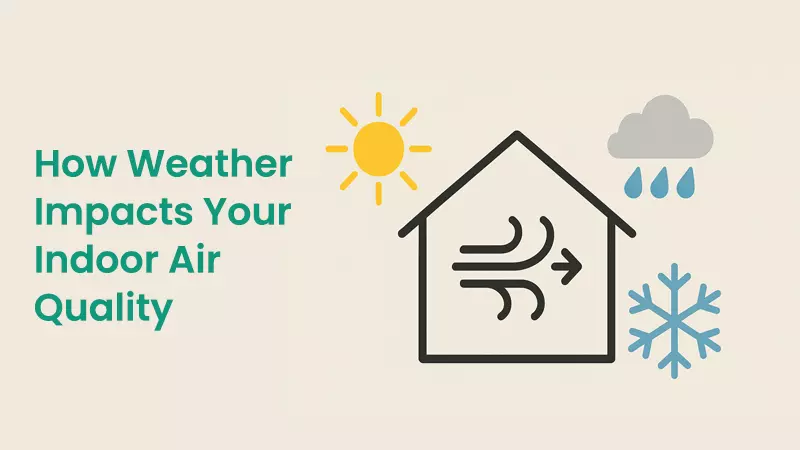
How Weather Impacts Your Indoor Air Quality

Indoor air quality (IAQ) is often thought of as something controlled only by ventilation and daily indoor activities. But the truth is that weather plays a major role in shaping the air you breathe inside your home, office, or workplace. Outdoor temperature, humidity, wind, and seasonal changes all influence how pollutants move, accumulate, or dissipate indoors. Understanding these connections is essential for maintaining a healthy environment year-round—and this is where accurate, real-time air quality monitoring becomes indispensable. And reliable monitoring solutions such as the HibouAir Duo Air Quality Monitor make this possible.

Why Weather Matters More Than You Think

Although indoor spaces appear physically separate from the outdoors, air constantly flows in and out through ventilation systems, windows, doors, and even tiny structural gaps. When the weather shifts, that airflow changes as well—which means pollutants also move differently. Temperature, humidity, pressure, and outdoor particulate levels all influence how gases like CO₂ and VOCs accumulate indoors. Monitoring these factors through real-time, multi-sensor devices such as HibouAir provides clarity and helps users respond to changes before they become problems.

The Role of Temperature in Indoor Air Quality

Temperature fluctuations have a direct impact on ventilation and pollutant behavior. During hot weather, buildings often rely heavily on air conditioning, which reduces natural airflow. As a result, CO2 levels rise more quickly, and pollutants generated indoors—such as VOCs released from paint, furniture, and cleaning agents—linger for longer periods. Heat also speeds up the emission rate of these compounds, making indoor air more chemically active and potentially more irritating for occupants.

Cold weather brings a different set of challenges. When temperatures drop, people tend to keep windows tightly closed, which further restricts air exchange and allows pollutants like PM2.5, CO2, and VOCs to accumulate. Temperature differences between indoor and outdoor environments can also trigger condensation on walls and windows, creating ideal conditions for mold growth. These seasonal changes highlight the value of monitoring temperature and CO2 levels using solutions such as the HibouAir CO2 Monitoring Device.

Humidity: A Weather-Driven Factor That Shapes Indoor Air

Humidity is highly influenced by outdoor weather and plays a significant role in determining indoor comfort and health. When humidity levels rise above the recommended range, mold spores, dust mites, and bacteria thrive, creating long-term air quality concerns. High humidity also triggers chemical reactions that increase VOC levels indoors. Conversely, very low humidity—common in winter—can dry out respiratory passages, increase discomfort, and make airborne particles stay suspended for longer.

Because humidity can swing drastically with seasonal changes, having continuous access to indoor humidity readings is crucial. HibouAir sensors measure humidity alongside temperature, particulate matter, and VOCs, allowing users to understand how weather-driven humidity influences their overall indoor air quality.

Outdoor Conditions and Their Impact on Indoor Pollution

Weather patterns such as wind direction, storms, or temperature inversions significantly affect outdoor pollution levels, which in turn affect indoor environments. Strong winds can carry dust, pollen, industrial emissions, and wildfire smoke into buildings more easily, particularly if windows or ventilation intakes are open. Meanwhile, temperature inversions trap pollutants near the ground, increasing outdoor PM2.5 and PM10 concentrations that can infiltrate indoor spaces even when windows are closed.

The ability to monitor particulate infiltration is especially important in urban settings, industrial zones, or wildfire-prone regions. HibouAir’s particulate measurement capability—supported by its HibouAir PM Sensor —helps detect these fluctuations and provides timely insights for better ventilation decisions.

Rain, Storms, and Seasonal Transitions

Weather changes throughout the year each bring their own indoor air challenges. Rain tends to reduce outdoor particulate concentrations but introduces additional indoor humidity that encourages mold growth if not managed properly. Stormy conditions can stir up outdoor pollutants before rainfall clears them, temporarily increasing infiltration indoors.

Winter typically leads to dry indoor environments due to heating systems, while cold air encourages people to limit ventilation. This contributes to elevated CO2 levels and increased viral persistence in indoor spaces. In contrast, spring and summer bring higher pollen counts and warmer temperatures, which increase both biological and chemical pollutants indoors. These seasonal dynamics make continuous monitoring valuable, particularly when using long-term tracking tools available through the HibouAir Desktop Monitoring Solution and Cloud Monitoring Solution.

How Weather Influences Ventilation Patterns

Ventilation is one of the most important determinants of indoor air quality, and weather directly shapes how often and how effectively buildings are ventilated. In mild weather, occupants tend to open windows more frequently, allowing fresh air to circulate and CO2 levels to drop. However, during extreme cold or heat, windows remain closed and HVAC systems operate continuously, limiting airflow and allowing pollutants to build up.

Weather can also influence the quality of the incoming air. For example, opening windows on a high-pollution day can introduce more contaminants indoors than it removes. This makes real-time monitoring essential for understanding when ventilation is beneficial—and when it may worsen indoor air.

How HibouAir Helps You Manage Weather-Driven IAQ Changes

HibouAir provides a reliable and complete ecosystem for understanding how weather conditions affect indoor environments. Its sensors measure CO2, particulate matter, VOCs, temperature, humidity, noise, and pressure, offering a detailed picture of indoor conditions at any moment. Combined with long-term analytics from the cloud dashboard and easy plug-and-play installation through the Standalone HibouAir Device, users can respond quickly to trends driven by changing seasons or sudden weather shifts.

Whether monitoring a home, office, classroom, industrial site, or public facility, HibouAir makes it simple to maintain a healthy indoor climate regardless of the outdoor conditions.

Share this post on :

Contact Us

Call us or simply fill out the form below, and one of our representatives will get back to you as soon as possible.