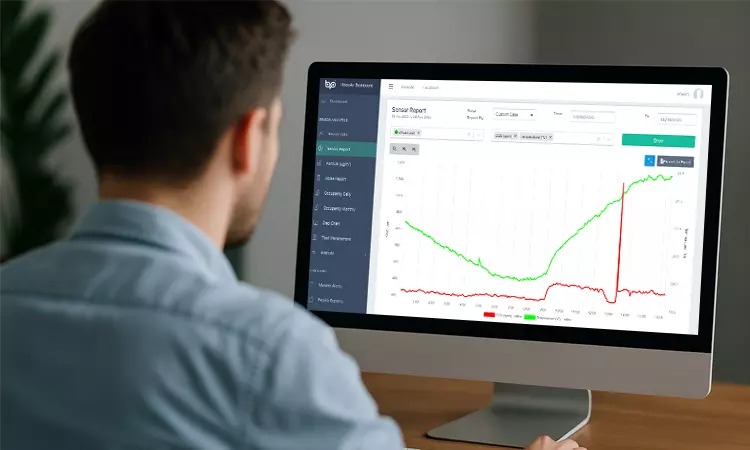
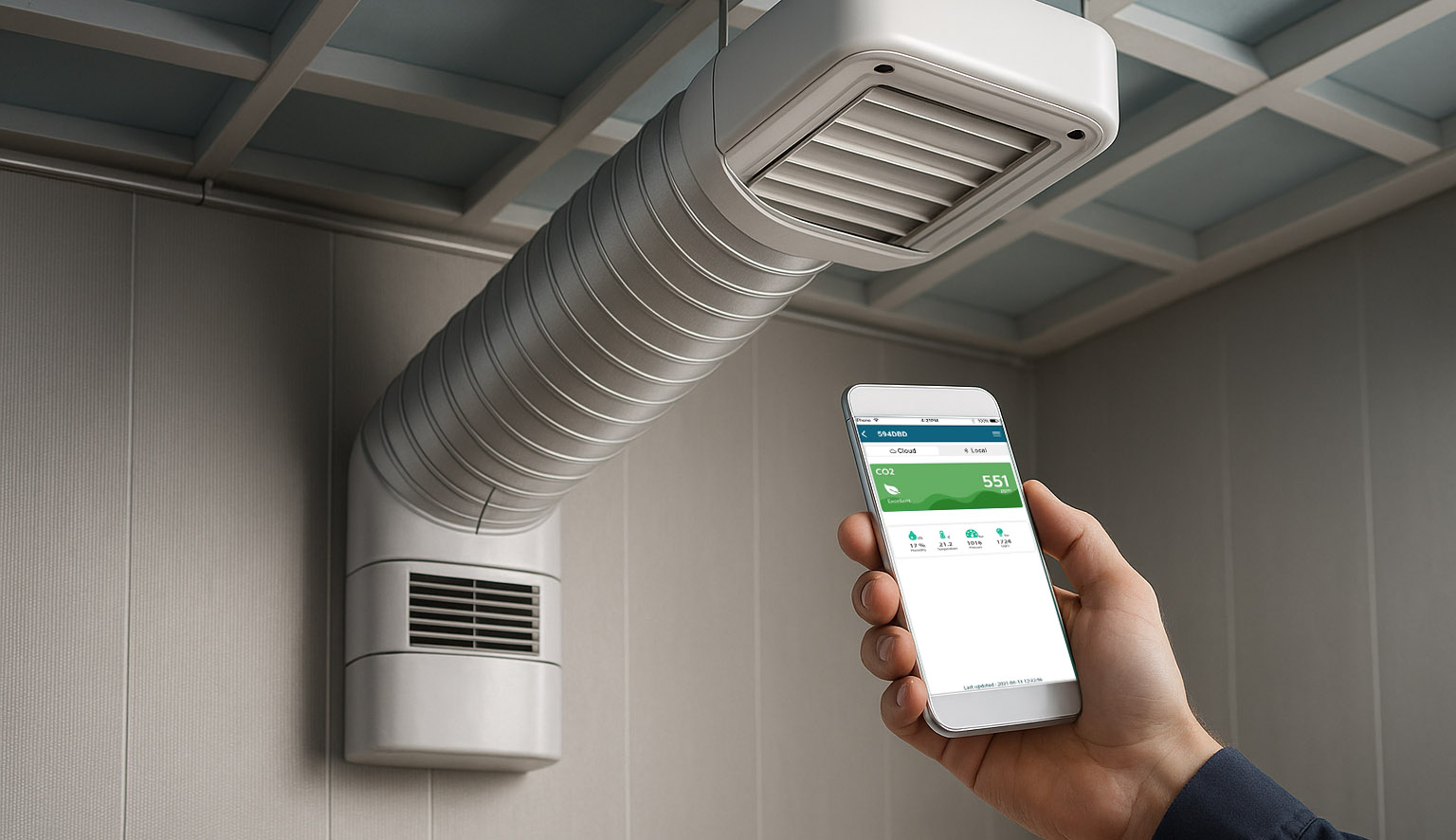
The Future of HVAC: Powered by Real-Time Air Quality Intelligence

Modern buildings are no longer judged by their architecture alone — they are evaluated by how healthy, efficient, and adaptive they are. While traditional HVAC systems focus on temperature regulation, today’s buildings demand more. They require systems that respond to what truly defines indoor comfort and productivity: air quality.

The evolution toward air-quality-driven HVAC automation is reshaping facility management worldwide. With real-time environmental data guiding ventilation and filtration, buildings can now balance well-being, sustainability, and operational efficiency like never before.

Why Conventional HVAC Control Falls Short

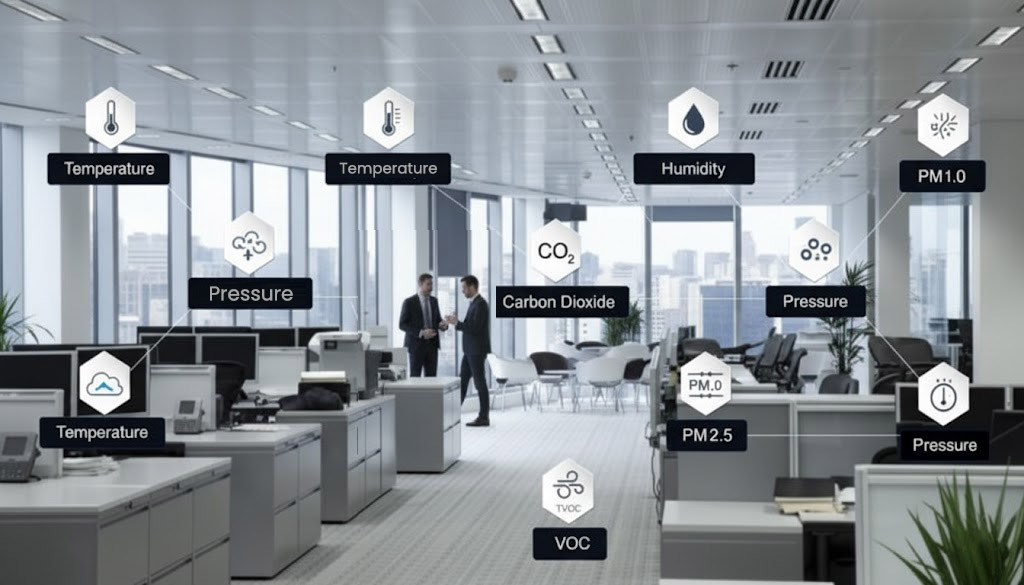
Most HVAC systems were designed to maintain temperature, not to manage the invisible but crucial elements of air quality such as CO2, particulate matter (PM1.0, PM2.5, PM10), humidity, and VOC levels. They typically follow static rules — switching on or off based on a thermostat reading or a timer — regardless of what’s actually happening in the air.

The result? Systems continue running when rooms are empty, wasting energy, or fail to respond when pollution levels rise, compromising occupant health. This reactive model leads to inefficient airflow, inconsistent comfort, and higher utility costs.

To build truly intelligent environments, HVAC systems must move beyond temperature data and respond dynamically to real-time air quality feedback.

Real-Time Data: The Key to Intelligent HVAC

This is where HibouAir plays a vital role. With precision sensors that monitor CO₂, PM, humidity, temperature, and VOCs, HibouAir devices deliver real-time environmental intelligence directly to your HVAC infrastructure.

Instead of relying on manual adjustments, the system can automatically adapt to actual indoor conditions. For instance:

  • – When CO2 levels rise in a meeting room, ventilation increases automatically to bring in more fresh air.
  • – When PM2.5 concentrations climb due to outdoor pollution, the HVAC unit can limit external intake and enhance filtration.
  • – When occupancy decreases, airflow can scale down to save energy without compromising comfort.

This data-driven automation transforms HVAC systems from pre-programmed machines into responsive ecosystems that maintain balance between health and efficiency — a critical requirement for modern smart buildings.

You can explore how HibouAir devices collect this data in our air quality monitoring device lineup.

How HibouAir Integration Works

HibouAir devices provide accurate and continuous air quality readings that can be directly integrated into an HVAC control system. This seamless communication allows the HVAC to act in real time — increasing airflow, adjusting filters, or managing humidity based on live sensor input.

Whether installed as part of a Standalone Air Quality Monitoring Solution or within a networked building automation setup, HibouAir enables the environment itself to guide the system’s response.

This integration ensures that decisions about ventilation and air circulation are made by data, not by assumptions — reducing waste, improving occupant comfort, and optimizing long-term performance.

Smarter Buildings, Stronger ESG Performance

Beyond daily comfort, the move toward air-quality-based automation supports corporate sustainability and compliance goals. Environmental regulations and ESG (Environmental, Social, and Governance) frameworks now emphasize indoor air quality as a measurable part of a company’s environmental footprint.

By connecting HibouAir’s sensors to building control systems, facility managers can:

  • Track and log air quality metrics for ESG reporting.
  • Verify proactive responses to poor air conditions.
  • Demonstrate commitment to energy efficiency and employee well-being.

For companies preparing for upcoming regulations, understanding the link between IAQ and compliance is essential. Learn more in our article on Indoor Air Quality Compliance in 2025.

A Step Toward the Future of Building Intelligence

The future of HVAC lies not in running harder, but in running smarter. Systems equipped with HibouAir’s real-time data become self-optimizing — automatically finding the perfect balance between clean air and energy conservation.

From offices and schools to industrial environments, this shift marks a new standard in adaptive comfort technology — one where every breath informs a smarter decision.

Discover how HibouAir’s technology can enhance your HVAC strategy through our air quality monitoring solutions and experience the future of data-driven automation today.

Share this post on :

The Long-Term Benefits of Monitoring Air Quality: Insights for a Healthier, Smarter Environment

In today’s world, where we spend nearly 90% of our time indoors, understanding and improving air quality is no longer a luxury—it’s a necessity. While short-term air quality readings can help identify immediate issues, long-term air quality monitoring provides the data depth needed to uncover hidden trends, optimize building performance, and safeguard occupant health over time.

Why Long-Term Air Quality Monitoring Matters

Air quality can fluctuate daily due to factors such as outdoor pollution, ventilation cycles, building occupancy, cleaning products, and seasonal changes. A one-time measurement often paints an incomplete picture. Continuous or long-term monitoring allows organizations, facility managers, and homeowners to identify recurring issues and act before they escalate.

For instance, an office may notice that CO2 levels spike every afternoon—a sign of inadequate ventilation during peak occupancy. Without consistent data, such patterns remain invisible, leading to productivity loss and fatigue. Similarly, schools that track particulate matter (PM2.5 and PM10) throughout the year can detect how pollution from nearby traffic or construction impacts indoor learning environments.

Key Benefits of Long-Term Monitoring

Trend Analysis and Predictive Insights

Continuous data reveals long-term exposure patterns. By analyzing weeks or months of CO2, particulate matter, humidity, and temperature data, you can identify what times or conditions cause deterioration in air quality. Predictive analysis powered by historical data helps you anticipate and prevent issues—rather than simply react to them. Explore how historical insights enhance decision-making in this article.

Data-Driven Building Management

Facilities that monitor air quality over time can fine-tune their HVAC systems for efficiency. Real-time and historical CO2 data, for example, can be used to adjust ventilation rates dynamically, balancing comfort, energy use, and compliance. This continuous feedback loop supports smart-building strategies and ESG-driven sustainability goals.

Health and Productivity Improvements

Prolonged exposure to elevated CO2 or particulate matter impacts cognitive performance, focus, and general well-being. Long-term monitoring enables early detection of subtle yet harmful conditions, such as increased VOC levels from new furnishings or high humidity leading to mold formation. Addressing these issues improves comfort, reduces absenteeism, and supports a healthier workforce.

Compliance and Environmental Reporting

Long-term data records are essential for demonstrating compliance with air-quality standards (such as ASHRAE 62.1 or WHO guidelines) and for inclusion in sustainability or ESG reports. Reliable monitoring tools help businesses show their commitment to indoor environmental quality (IEQ) and occupant well-being. You can learn more about compliance strategies in this detailed post

Comparing Indoor and Outdoor Conditions

Seasonal outdoor pollution, wildfires, or nearby industrial activity can significantly influence indoor environments. By monitoring long-term indoor data alongside local outdoor readings, facility managers can make informed ventilation and filtration decisions. See also How Outdoor Air Quality Impacts Indoor Environments.

How Smart Monitoring Makes the Difference

Modern systems like HibouAir make long-term air quality tracking simple and scalable. Each HibouAir device measures critical environmental parameters—CO2, particulate matter (PM1.0, PM2.5, PM10), temperature, humidity, VOCs, and noise—and delivers data in real time through intuitive platforms.

Using the HibouAir Cloud Dashboard, users can visualize trends, compare historical data, and set up alerts. For standalone users, the Desktop Solution offers local storage and analytics without requiring constant internet connectivity. Whether in offices, schools, museums, or industrial facilities, these insights empower decision-makers to maintain optimal air quality 24/7.

Real-World Example: A Year-Long Office Study

A medium-sized business installed continuous CO2 and particulate sensors throughout its office spaces. Over twelve months, data revealed consistent afternoon CO2 peaks exceeding 1,200 ppm, correlating with employee fatigue and complaints of “stuffy” air. By integrating the data into their HVAC control system, ventilation was increased automatically when thresholds were reached. The result? A 25% reduction in reported headaches and a measurable improvement in focus and energy levels.

Building a Healthier Future Through Data

Air quality is dynamic—it changes with time, usage, and behavior. Short snapshots can miss the story; long-term monitoring tells the full narrative. With reliable data, organizations can move from reacting to preventing, from assumptions to insights, and from discomfort to well-being.

If you want to explore modern solutions for real-time and long-term air quality management, visit HibouAir.com to learn more about available monitoring options.

Share this post on :

How to Improve Indoor Air Quality: Practical Steps for a Healthier Home and Workplace

Indoor air quality (IAQ) plays a vital role in our health, comfort, and productivity. The air we breathe indoors—whether at home, in offices, or in classrooms—can be up to five times more polluted than outdoor air due to accumulated carbon dioxide (CO2), volatile organic compounds (VOCs), particulate matter, and other pollutants. Improving IAQ starts with understanding what’s in the air and taking informed action based on that data.

Monitor Indoor Air Quality

The first step toward improvement is measuring the quality of air in your environment. Without data, it’s impossible to know what’s wrong—or if the changes you make are working.
Devices like the HibouAir air quality monitor provide continuous, real-time insights into key parameters such as CO2, particulate matter (PM1.0, PM2.5, PM10), temperature, humidity, VOCs, and even noise levels.

By visualizing this data through the HibouAir Cloud Dashboard or the HibouAir Desktop app, users can identify pollution sources and track improvements over time. Monitoring doesn’t just reveal problems—it empowers timely decisions like opening a window or servicing a ventilation system when air quality drops.

Change Air Filters Regularly

Dirty or clogged filters reduce the efficiency of HVAC systems and can circulate dust and allergens throughout the room. Regularly replacing air filters is one of the simplest and most effective ways to maintain clean indoor air.

By using an air quality monitor, you can actually see the impact of a clean filter. If CO2 and particulate matter levels remain elevated even after cleaning or replacing filters, it may indicate a deeper issue in the ventilation system that needs professional attention.

Ensure Proper Ventilation and Open Windows When Needed

Adequate ventilation is essential for maintaining fresh indoor air. Opening windows periodically allows fresh air to dilute indoor pollutants. However, it’s not always clear when ventilation is necessary—especially during colder months.

This is where monitoring helps again. A rise in CO2 levels on your HibouAir device signals that air exchange is needed. With real-time readings, you can ventilate only when it’s truly required, reducing unnecessary heat loss and saving energy.

Keep Your Home and Workspace Clean

Dust, pet dander, mold spores, and VOCs from cleaning agents or furniture can all degrade indoor air quality. Regular cleaning, vacuuming with HEPA filters, and choosing low-VOC products help minimize these sources.

VOC levels, which are monitored by HibouAir, can indicate when cleaning products, paints, or furnishings are releasing harmful chemicals. Over time, this data helps identify patterns and encourages healthier material choices.

Manage Humidity Levels

Maintaining optimal humidity (between 30–50%) helps prevent mold growth and reduces the survival rate of airborne viruses. Excess humidity can lead to condensation and microbial growth, while very dry air can irritate eyes, throat, and skin.
HibouAir’s built-in humidity sensor allows you to track and adjust humidity using dehumidifiers or humidifiers as needed, ensuring a comfortable and healthy environment year-round.

Limit Indoor Pollutant Sources

Cigarette smoke, candles, air fresheners, and cooking fumes are major contributors to poor IAQ. Simple changes like using range hoods, burning fewer scented candles, or switching to electric cooking can make a difference.
When combined with continuous air quality monitoring, these changes become measurable—you’ll know which activities are impacting your indoor environment the most.

Integrate Smart Air Quality Insights

For workplaces and larger facilities, integrating data from HibouAir into building management systems or cloud dashboards can optimize HVAC operation based on real-time air quality data. This helps maintain healthy conditions while improving energy efficiency and compliance with air quality standards.

The Key to Lasting Improvement: Measure, Understand, Act

Improving indoor air quality isn’t a one-time task—it’s an ongoing process. Just monitoring isn’t enough, but understanding what the data means and acting on it is what makes the real difference. HibouAir provides the insight, but the change happens when users respond—by improving ventilation, cleaning habits, or upgrading filters.

If you’re looking to take control of your indoor environment, start by learning what’s in your air.
Explore how HibouAir solutions can help you measure and improve your indoor air quality intelligently and effectively.

Share this post on :

Contact Us

Call us or simply fill out the form below, and one of our representatives will get back to you as soon as possible.