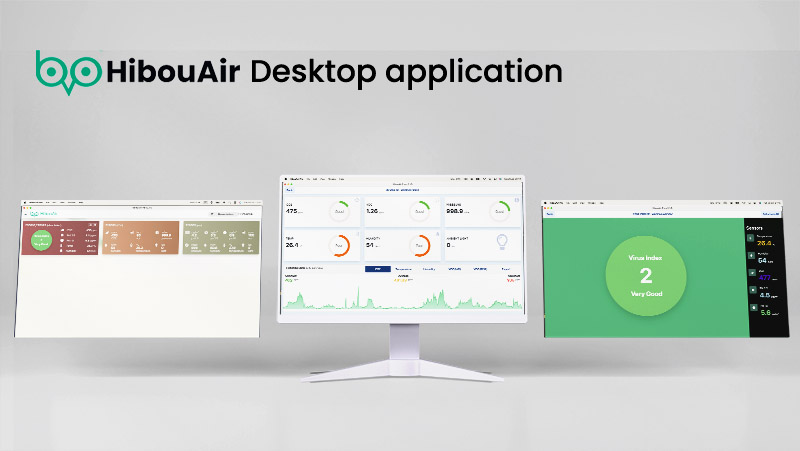
Desktop Application: A New Redesigned Interface – Find Out What’s Included

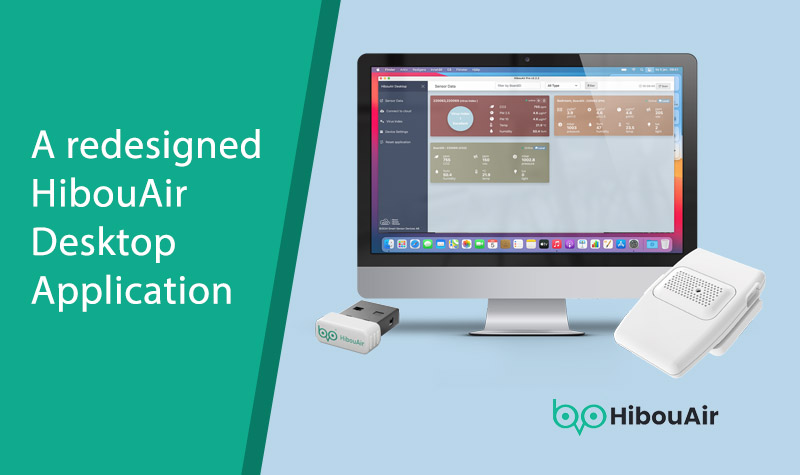
In today’s fast-paced world, monitoring indoor air quality has never been more critical. Introducing the redesigned HibouAir Desktop Application, a powerful tool that provides you with an advanced, intuitive way to access and manage your air quality data. The HibouAir Desktop Application is available at no additional cost for users of our Desktop air quality monitoring Solution. This free application enhances your air quality monitoring experience by providing real-time data, historical charts, and advanced features like the Virus Index. By offering the desktop application at no charge, we ensure that all users can fully leverage the capabilities of the HibouAir device without any extra expenses, making it easier for you to maintain a healthy indoor environment.
Here’s a detailed look at the standout features of the HibouAir Desktop Application:

1. Plug and Play

Setting up the HibouAir Desktop Application is a breeze. Our “Desktop Solution” is designed for convenience and ease of use. With a simple plug-and-play setup, all you need is the HibouAir device and a smart USB dongle. Connect the USB dongle to your computer, turn on your HibouAir device, and launch the desktop application. No cloud connectivity or additional gateway is required, making the process straightforward and hassle-free.

2. Real-Time Data Monitoring
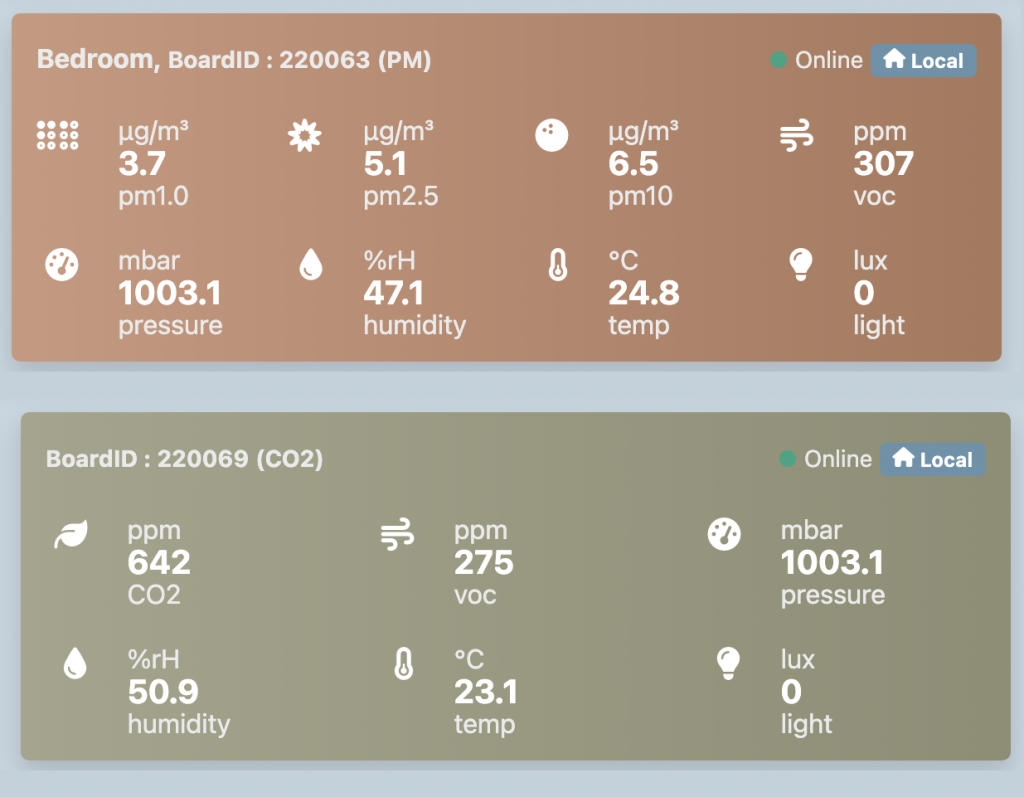
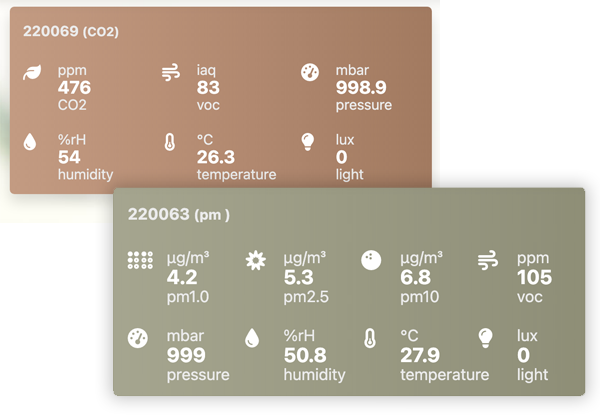
The application provides real-time monitoring of crucial environmental parameters. Whether you’re checking CO2 levels, particulate matter (PM 1.0, PM 2.5, PM 10), ambient pressure, temperature, relative humidity, light, noise, or volatile organic compounds (VOCs), the data is updated in real time. This allows you to respond quickly to any changes in air quality and maintain a healthier indoor environment.

3. Historical Data Visualization

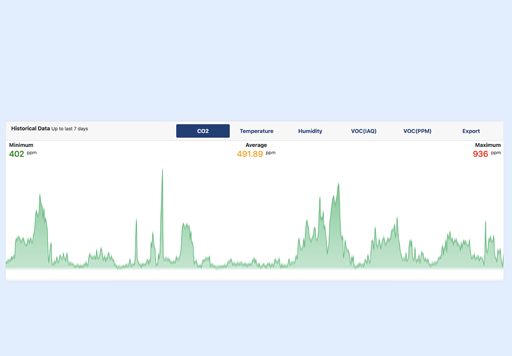
Understanding trends over time is essential for effective air quality management. Our desktop application features comprehensive charting tools that visualize historical data, allowing you to track and analyze air quality over different periods. HibouAir stores up to 7 days of air quality data, which can be accessed using our mobile or desktop application. This enables you to monitor changes, identify patterns, and make informed decisions to improve indoor air quality. By leveraging this feature, you gain valuable insights into the long-term impact of environmental changes on your indoor spaces.
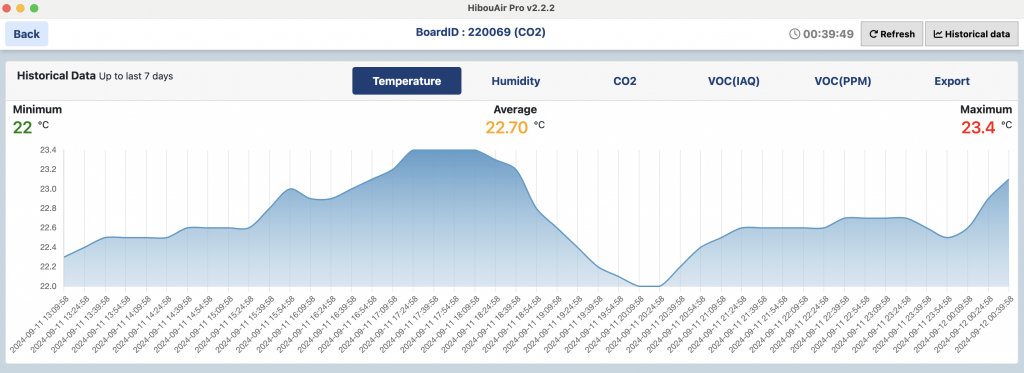
4. Export Historical Data in CSV Format

For those who need to perform further analysis or share data with colleagues, the application offers an export feature. You can easily download historical data in CSV format, which can be imported into other data analysis tools or software for deeper insights and reporting.

5. Device Management

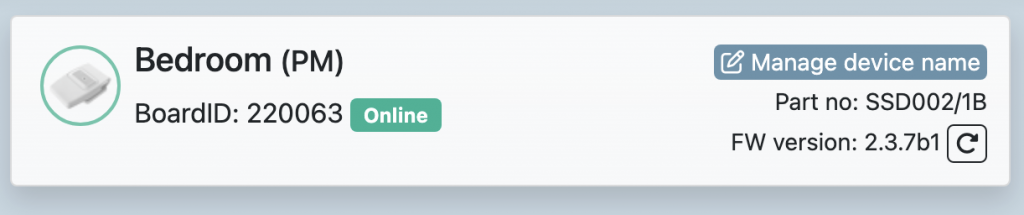
Personalize your air quality monitoring experience with the ability to manage and update device names. Assigning suitable names to your HibouAir devices helps in better location tracking and organization, especially if you’re monitoring multiple devices across various locations.
6. Virus Index Feature
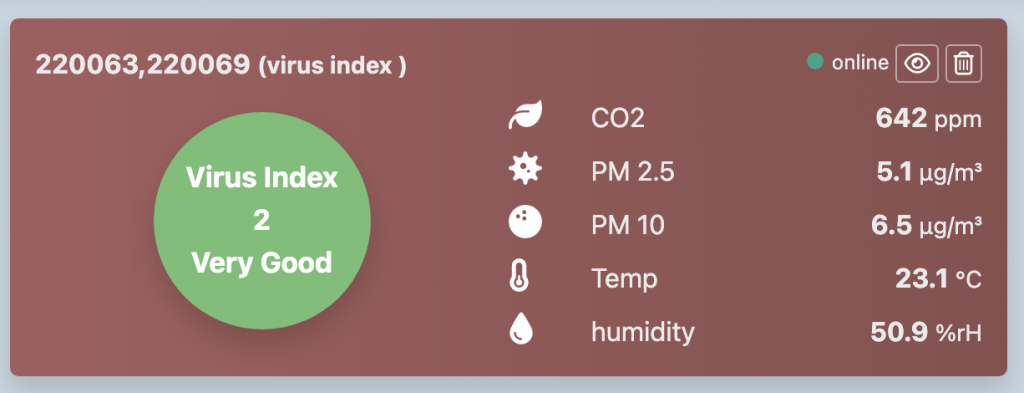
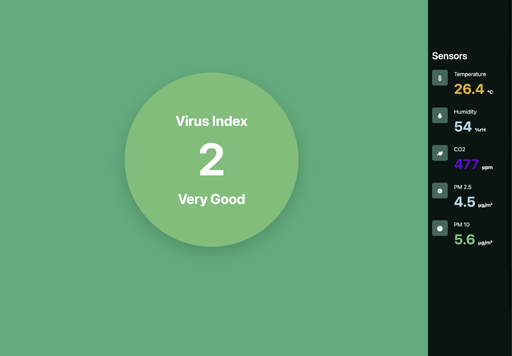
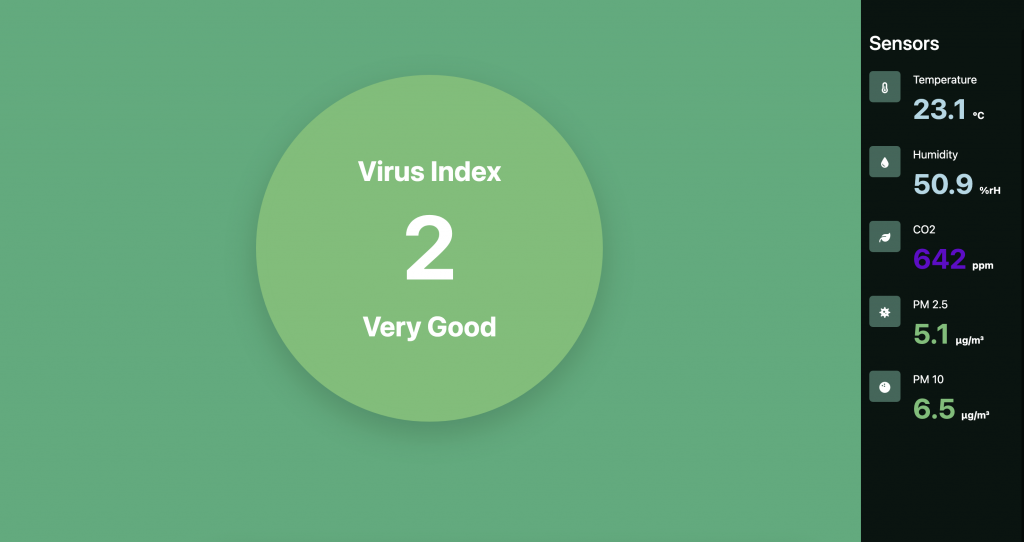
One of the most revolutionary features of the HibouAir Desktop Application is the Virus Index. Powered by advanced AI, this tool provides real-time insights into the risk of virus spread within enclosed environments. By analyzing temperature, humidity, PM2.5, PM10, and CO2 levels, the Virus Index helps individuals and organizations assess and mitigate the risk of viral transmission, fostering a safer and healthier environment.

7. Full screen capability

The HibouAir Desktop Application includes a convenient full-screen feature that enhances data visibility and accessibility. By selecting a specific device, you can expand its data display to full screen, allowing for a comprehensive view of real-time air quality metrics. The data updates at regular intervals, ensuring that you stay informed of any changes. This feature is particularly beneficial for environments where large screens are used for public access, such as in offices, malls, or healthcare centers. Additionally, the Virus Index can also be displayed in full screen, providing continuous, real-time updates on virus risk, helping to maintain a safer environment with clear, easily accessible information.
8. Cloud Connectivity

For users who wish to extend their data monitoring capabilities, the application supports cloud connectivity via Firebase and AWS. After setting up your preferred cloud platform, the application will continuously send data to the cloud at your chosen intervals, ensuring that your data is always up-to-date. Additionally, you can read and visualize this cloud-stored data directly within the application, offering a unified view of both real-time and historical information through detailed charts. Cloud air quality monitoring enhances data accessibility and ensures you have the latest insights readily available.

The redesigned HibouAir Desktop Application is more than just a tool; it’s a gateway to a healthier indoor environment. With its plug-and-play setup, real-time monitoring, historical data visualization, CSV export capabilities, and innovative Virus Index feature, our desktop application provides a comprehensive solution for managing air quality. Experience the future of air quality monitoring and make informed decisions with ease.
Share this post on :

The Advantages of CO2-Controlled Ventilation

In today’s world, maintaining a healthy indoor environment is more important than ever. Indoor air quality (IAQ) plays a crucial role in our well-being, affecting everything from our cognitive function to our overall health. One of the most effective ways to ensure optimal IAQ is through CO2-controlled ventilation systems. By integrating advanced technology like HibouAir, a multi-sensor air quality monitor, into your ventilation system, you can automate air quality management, ensuring a healthier, more productive, and energy-efficient indoor environment.

What is a CO2 Sensor?

A CO2 sensor is a device that measures the concentration of carbon dioxide in the air. Carbon dioxide (CO2) is a colorless, odorless gas that is naturally present in the atmosphere at low levels. However, in enclosed spaces such as homes, offices, or educational institutions, CO2 levels can quickly rise due to human activities like breathing, cooking, or burning fuels. Elevated CO2 levels can lead to discomfort, decreased cognitive performance, and even health issues if not properly managed.

CO2 sensors work by measuring the amount of infrared light absorbed by CO2 molecules in the air. The more CO2 present, the more infrared light is absorbed. This data is then processed to provide a real-time reading of the CO2 concentration, typically measured in parts per million (ppm).

How Does a CO2 Sensor Work in a Ventilation System?

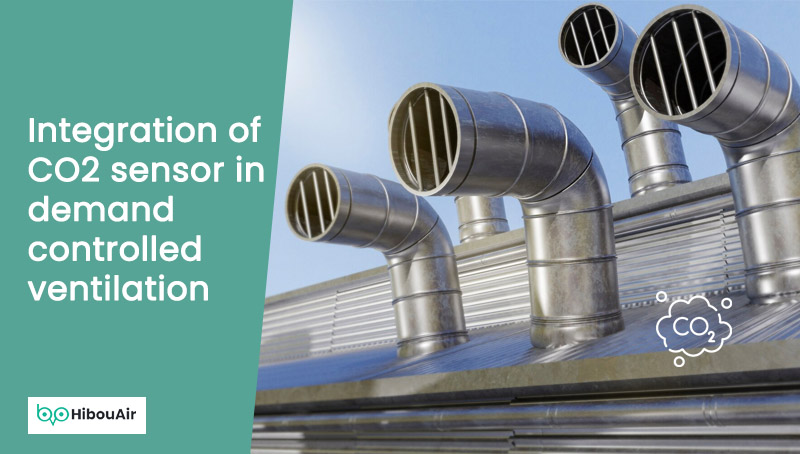
In a ventilation system, CO2 sensors are used to monitor the levels of carbon dioxide in the indoor environment. When the CO2 concentration exceeds a predefined threshold, the sensor triggers the ventilation system to increase the airflow, bringing in fresh air from outside and expelling the stale, CO2-laden air. Once the CO2 levels return to an acceptable range, the system reduces the airflow, maintaining optimal indoor air quality while conserving energy.

This process, known as demand-controlled ventilation (DCV), ensures that ventilation is provided only when necessary, based on real-time air quality data. This is where HibouAir can make a significant impact.

The Advantages of CO2-Controlled Ventilation

CO2-controlled ventilation offers numerous benefits, making it an ideal solution for maintaining indoor air quality in various settings:

  1. Automatic Ventilation When Needed: CO2-controlled systems automatically adjust the airflow based on real-time CO2 levels, ensuring that fresh air is provided only when required. This helps maintain a healthy indoor environment without the need for manual intervention.
  2. Energy Savings: By ventilating only when necessary, CO2-controlled systems reduce energy consumption. Traditional ventilation systems often run continuously, wasting energy. CO2-controlled systems, on the other hand, operate only when needed, resulting in significant energy savings and lower utility bills.
  3. Improved Air Quality: Maintaining optimal CO2 levels is crucial for good indoor air quality. High CO2 levels can cause discomfort, headaches, and reduced cognitive performance. CO2-controlled ventilation systems ensure that indoor air quality remains within safe limits, promoting better health and productivity.
  4. Quick Installation and Easy Maintenance: CO2 sensors like those in HibouAir are compact, easy to install, and require minimal maintenance. Once integrated into your ventilation system, they work continuously and reliably to monitor and control air quality.
  5. Flexible Operation: CO2-controlled systems are highly adaptable and can be used in a wide range of indoor environments, from homes and offices to schools and healthcare facilities. The flexibility of these systems allows them to meet the specific air quality needs of different spaces.

The Importance of Good Ventilation for Health and Productivity

Ventilation is the process of replacing or exchanging air within a space to improve indoor air quality. Proper ventilation removes stale air, pollutants, and excess moisture while introducing fresh, clean air from outside. This exchange is essential for maintaining a healthy environment, but it also plays a critical role in enhancing productivity.

Research by Joseph G. Allen and John D. Macomber, presented in their book Healthy Buildings: How Indoor Spaces Drive Performance and Productivity (Harvard University Press), underscores the profound impact that indoor environments have on human health and performance. The authors highlight how well-ventilated spaces can significantly boost cognitive function, reduce the spread of illnesses, and enhance overall well-being, all of which are directly linked to productivity.

Integration of HibouAir in Demand-Controlled Ventilation Solutions

HibouAir takes CO2-controlled ventilation to the next level by offering a comprehensive, real-time air quality monitoring solution. Equipped with multiple sensors, HibouAir continuously monitors not only CO2 levels but also particulate matter (PM 1.0, PM 2.5, PM 10), ambient pressure, temperature, humidity, light, noise, and volatile organic compounds (VOCs). This multi-sensor approach provides a more complete picture of indoor air quality, enabling more effective ventilation control.

HibouAir is a BLE (Bluetooth Low Energy) device, making it easy to integrate into existing ventilation systems. By incorporating HibouAir into your demand-controlled ventilation setup, you can automate the entire process, ensuring optimal air quality with minimal effort. The real-time data provided by HibouAir can be accessed via smartphones, tablets, or other devices, allowing you to monitor and control your indoor environment from anywhere.

In addition, HibouAir’s ability to monitor multiple environmental parameters means that your ventilation system can respond not only to CO2 levels but also to other factors that affect indoor air quality, such as particulate matter or humidity. This makes HibouAir a versatile and powerful tool for maintaining a healthy and comfortable indoor environment.

CO2-controlled ventilation is a smart, efficient, and effective way to ensure good indoor air quality while also boosting productivity and minimizing energy consumption. With the integration of HibouAir, you can take full advantage of this technology, automating your ventilation system to respond to real-time air quality data. Whether in a home, office, educational institute, or healthcare facility, HibouAir provides the comprehensive monitoring and control needed to maintain a healthy, productive indoor environment, making it an essential addition to any demand-controlled ventilation system.

Share this post on :

Monitor and Analyze Air Quality with HibouAir’s Advanced Desktop Application

The HibouAir desktop application, compatible with both Windows and macOS, offers an advanced solution for real-time and historical air quality monitoring. Available for free download from our website here, this powerful tool integrates seamlessly with our HibouAir devices using a Smart BLE USB dongle provided by HibouAir. Let’s explore the features that make the HibouAir desktop application a must-have for monitoring air quality in various indoor environments.

Real-Time Data Monitoring

One of the standout features of the HibouAir desktop air quality monitoring solution is its ability to access real-time air quality data from all nearby HibouAir devices. This feature provides instant insights into indoor air quality, allowing users to monitor environmental conditions effortlessly. Whether you’re at home, in an office, an educational institute, or a healthcare facility, having a reliable air quality monitor for home ensures you can make informed decisions for a healthier and safer environment.

The advantage of seeing all devices’ data together is that it allows for a comprehensive view of the air quality across different areas, making it easier to identify problem spots and take corrective actions promptly.

Historical Data in Charts

The HibouAir desktop application also provides access to historical data of various environmental parameters through intuitive charts. This feature is invaluable for identifying trends and patterns over time.

For instance, you can track the fluctuations in CO2 levels, particulate matter (PM), ambient temperature, and humidity over days or weeks using the HibouAir air quality monitor. Understanding these trends can help in planning and implementing long-term air quality improvements. Moreover, it aids in correlating air quality data with specific events or activities, providing deeper insights into the factors affecting your indoor environment. For a more detailed analysis, the application offers historical data visualization and advanced analytics.

Export Historical Data

For those who require a more detailed analysis, the HibouAir desktop application allows the export of historical data in CSV format. This capability is particularly useful for researchers, environmental scientists, and facility managers who need to perform further investigations or integrate the data with other systems. Exporting data to CSV enables easy manipulation and analysis using various tools and software, facilitating comprehensive studies and reports.

Virus Index: AI-Powered Risk Assessment

The HibouAir desktop application includes a unique AI-powered tool called the Virus Index.

This feature provides real-time insights into the risk of virus spread in closed environments. By analyzing various air quality parameters such as temperature, humidity, CO2 levels, and particulate matter (PM), the Virus Index assesses the combined impact of these factors on the viability and transmission of viruses. This real-time air quality assessment is crucial for maintaining safe indoor environments, especially in settings like healthcare facilities, schools, and offices where the risk of virus spread is a significant concern. With HibouAir’s advanced monitoring solutions, you can take proactive steps to improve air quality and reduce health risks.

User-Friendly Visual Layout

The application boasts a clean, user-friendly visual layout that makes navigating through features and data easy and intuitive. The design ensures that users can quickly access the information they need without any hassle, enhancing the overall user experience.

Offline Functionality

A significant advantage of the HibouAir desktop application is its ability to operate without an internet connection or cloud connectivity. This offline functionality ensures that you can continue to monitor air quality and access historical data even in areas with limited or no internet access. This feature is particularly beneficial for remote locations and situations where internet connectivity might be unreliable.

Cloud Integration

For users who prefer to store their data in the cloud, the HibouAir desktop application offers integration with popular cloud platforms like Firebase and AWS. This flexibility allows you to store and access your air quality data securely on your preferred cloud service, ensuring that your data is always available and protected.

CONTINUES DEVELOPMENT

The HibouAir desktop application is continuously evolving, with exciting new features on the horizon. Stay tuned and follow our updates to be the first to experience the latest advancements in air quality monitoring.

CONCLUSION

The HibouAir desktop application is a comprehensive and indispensable tool for monitoring and improving indoor air quality. Compatible with both Windows and macOS, this free-to-download application integrates seamlessly with HibouAir devices via a Smart BLE USB dongle.

Key features include real-time air quality monitoring for immediate insights, historical data analysis through intuitive charts, and the ability to export data in CSV format for detailed studies. The AI-powered Virus Index provides real-time risk assessment of virus spread, enhancing safety in healthcare facilities and schools.

Its user-friendly design ensures easy navigation, while offline functionality guarantees continuous monitoring, even in areas with limited internet access. For those preferring cloud storage, integration with platforms like Firebase and AWS is available.
Get the HibouAir desktop solution today and take proactive steps toward a healthier indoor environment.

Share this post on :

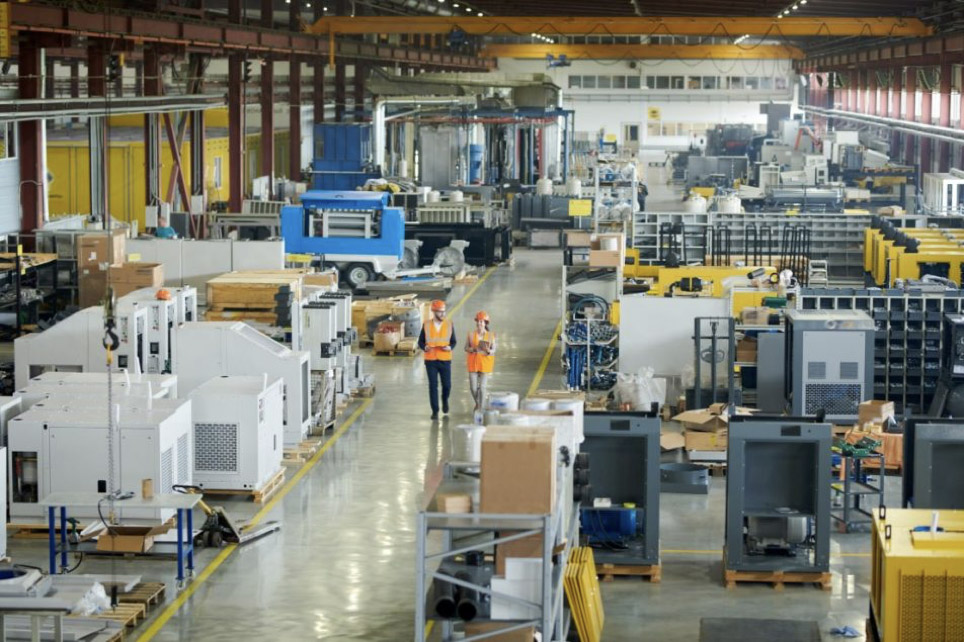
AIR Quality Monitoring Inside Manufacturing Facilities

In the competitive world of manufacturing, achieving precision and efficiency must go hand in hand with safeguarding the health and well-being of operators and ensuring product quality. Creating a safe and healthy work environment is not just essential—its imperative.

Manufacturing processes often release pollutants such as particulate matter (PM), Volatile Organic Compounds (VOCs), and other harmful gases. Exposure to these contaminants poses several risks:

  • Health risks for operators
  • Safety issues due to dust concentrations
  • Contamination of products
  • Malfunction of equipment
  • Environmental pollution

Industries such as food processing, pharmaceuticals, chemicals, metalworking, and battery cell manufacturing each face unique challenges in controlling air pollution and improving Indoor Air Quality (IAQ).

Identifying the Source

The first step to enhancing IAQ in manufacturing facilities is understanding the process and identifying emission sources. Ideally, dust and other gases should be extracted directly at the source to prevent them from entering the ambient air and spreading throughout the workplace. To effectively monitor and manage air quality, a comprehensive solution like HibouAir is essential.

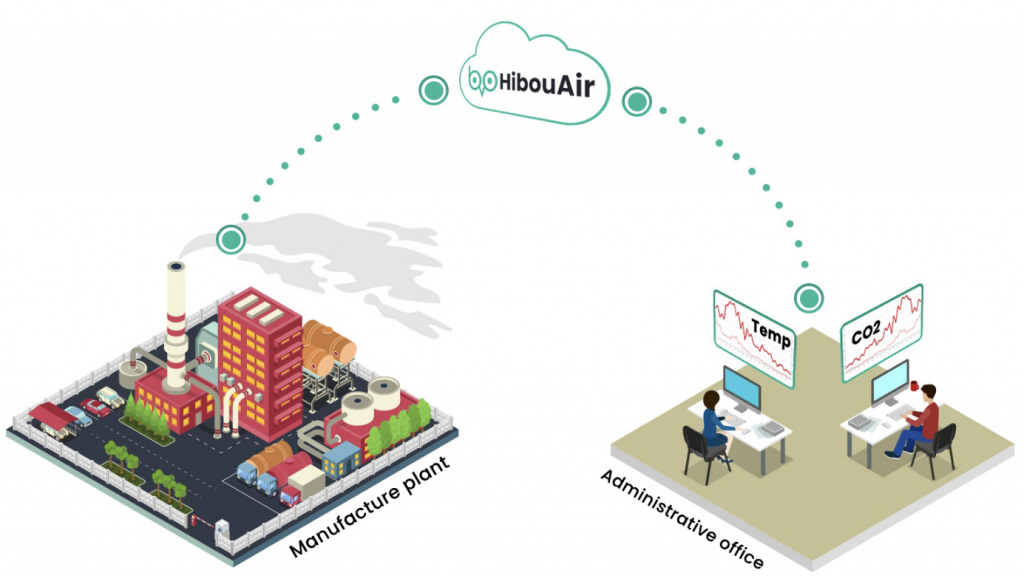
HibouAir provides a distributed monitoring system that covers the entire facility, collecting and storing data 24/7. This continuous monitoring allows for real-time detection of air quality issues, enabling prompt action to protect workers and maintain high product standards.

It is important that the adopted solution can provide real-time alarms to operators when air quality values are out of limits. Industries like food processing need to have full control over temperature and humidity to ensure the quality of the products.

Dust accumulation in machinery can cause malfunctions and breakdowns, leading to costly downtime. By continuously extracting dust particles, you can extend the lifespan of your equipment and reduce maintenance needs, ultimately boosting productivity. Maintaining uninterrupted production cycles and enhancing machinery efficiency result in significant cost savings.

Industries such as pharmaceuticals, food processing, and electronics manufacturing demand strict hygiene standards. A small amount of dust contamination can compromise the quality and safety of the product.

Conclusion

In conclusion, maintaining optimal Indoor Air Quality (IAQ) in manufacturing facilities is crucial for safeguarding the health and well-being of operators, ensuring product quality, and enhancing overall operational efficiency. Industries such as pharmaceuticals, food processing, and electronics manufacturing face unique challenges related to air pollution and dust contamination, which can lead to significant health risks, safety issues, product contamination, equipment malfunctions, and environmental pollution. By identifying emission sources and implementing effective extraction systems, facilities can prevent pollutants from entering the workplace, thereby reducing maintenance needs and minimizing costly downtime. Investing in IAQ solutions like HibouAir is essential for creating safe, healthy, and productive work environments, ultimately leading to substantial cost savings and compliance with stringent hygiene standards.

Share this post on :

Achieve EU Air Quality Compliance with Advanced Smart Monitoring

With the increasing focus on health and well-being in Commercial Real Estate (CRE), indoor air quality (IAQ) has become a crucial priority. Smart air quality monitoring can help CRE owners meet this demand, making their properties more attractive to tenants and ensuring compliance with EU regulations.

What is Smart Air Quality Monitoring?

Smart air quality monitoring involves the use of interconnected sensors and intelligent systems to continuously assess indoor air quality. This advanced method provides real-time data on various pollutants, offering a comprehensive and dynamic view of IAQ. With smart monitoring, property managers can quickly and effectively respond to air quality issues, enhancing both occupant health and property value.

Traditional vs. Smart Air Quality Monitoring

Traditionally, IAQ monitoring relied on lab tests that could take weeks to yield results, making timely adjustments difficult. Simple actions, such as opening a window for a few minutes, can significantly improve air quality, but these were hard to implement without real-time data. Smart monitoring bridges this gap by providing immediate insights, allowing for prompt and informed decision-making.

Overview of EU Indoor Air Quality Policies

Navigating EU regulations on indoor air quality is essential for property managers. The EU has established guidelines to maintain clean indoor air, which vary by country but generally set limits on pollutants like carbon dioxide, volatile organic compounds (VOCs), and particulate matter. Staying informed and ahead of these regulations not only ensures compliance but also promotes healthier living and working environments.

Importance of Compliance for Health and Property Value

Ensuring that properties meet EU air quality standards benefits both occupant health and property values. Studies indicate that improved air quality can increase property values, while poor air quality can decrease them. Additionally, good IAQ can help buildings achieve certifications such as LEED or ESG green building status, further enhancing their marketability.

Key Pollutants and Compliance Strategies

Property managers must monitor several key pollutants, including carbon dioxide, VOCs, and particulate matter, to maintain compliance and ensure good IAQ. Implementing a structured approach to monitoring and improving air quality can make a significant difference.

Air Quality Compliance Checklist

Here’s a checklist to guide your efforts in maintaining and improving IAQ:

  • Baseline Assessment: Start with an initial assessment to determine current air quality levels.
  • Install Smart Monitors: Use smart sensors to continuously measure core pollutants.
  • Regular Data Analysis: Schedule regular reviews of IAQ data to identify trends and issues.
  • Maintenance: Regularly check and maintain HVAC systems and air filters.
  • Response Plan: Develop protocols for addressing IAQ problems promptly.
  • Tenant Communication: Keep tenants informed about air quality and improvement measures.
  • Staff Training: Educate staff on IAQ standards and compliance requirements.
  • Documentation: Maintain records of IAQ data, maintenance activities, and mitigation actions.
  • Policy Updates: Stay updated on EU regulations and adjust practices accordingly.
  • Health and Safety Meetings: Regularly include IAQ in health and safety discussions.

Practical Steps for IAQ Assessment

Conducting a thorough IAQ assessment involves several steps:

  1. Identify Pollutants: Determine which pollutants are relevant to your property.
  2. Deploy Sensors: Place smart sensors throughout the building to monitor various pollutants.
  3. Collect Data: Gather data continuously to get a real-time view of air quality.
  4. Analyze Trends: Look for patterns in the data to identify problem areas.
  5. Implement Solutions: Make necessary adjustments based on the data analysis.
  6. Continuous Monitoring: Keep monitoring and adjusting as needed to maintain good IAQ.

Enhancing Tenant Experience with Real-Time Data

Using real-time IAQ data allows for immediate adjustments to ventilation and purification systems, ensuring optimal indoor conditions. Sharing this data with tenants through dashboards or apps can enhance transparency and demonstrate a commitment to their well-being.

Smart Monitoring Solutions and Their Role

Smart sensors are the backbone of effective IAQ monitoring systems. They provide continuous, precise data and enable immediate action when air quality drops below acceptable levels. These systems not only ensure compliance but also safeguard the health of building occupants, especially those who are more vulnerable.

Leveraging Technology to Meet EU Standards

Integrating smart monitoring technology with reporting software can streamline compliance with EU regulations. As new rules emerge, having automated systems to collect and report IAQ data will simplify the process and ensure you stay ahead of regulatory requirements.

Introducing HibouAir: Your Smart IAQ Solution

HibouAir is at the forefront of smart air quality monitoring, offering real-time and historical data on various pollutants. Equipped with sensors for CO2, PM1.0, PM2.5, PM10, pressure, temperature, humidity, and VOCs, HibouAir provides a comprehensive solution for maintaining and improving indoor air quality. Its smart analytical dashboard allows for easy monitoring and management, making it ideal for offices, schools, homes, and integrated smart building solutions.

By choosing HibouAir, you can ensure compliance with EU regulations, enhance tenant satisfaction, and boost property value. Start using HibouAir today for a proactive approach to indoor air quality management.

Read more : EU air quality standards

Share this post on :

Enhancing Workplace Environment with HibouAir: The Critical Role of Noise Monitoring

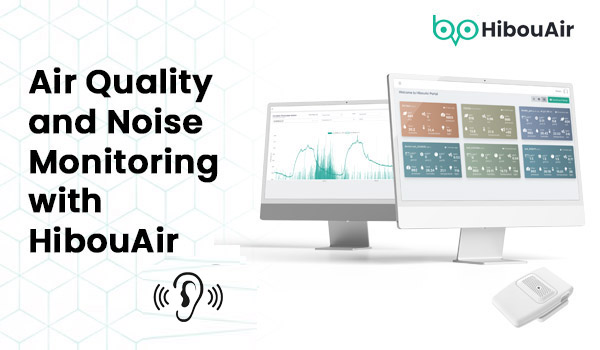
In today’s fast-paced world, maintaining a healthy work environment is paramount for productivity and overall well-being. While air quality often takes center stage, there’s another critical environmental factor that significantly affects work performance and health: noise. Introducing HibouAir, a comprehensive air quality monitoring solution that now includes a noise sensor to address this often-overlooked aspect of environmental health.

The Impact of Noise on Work Performance and Health

Noise pollution in the workplace can lead to a multitude of issues, ranging from decreased productivity to serious health concerns. Studies have shown that prolonged exposure to high noise levels can cause stress, increase blood pressure, and even lead to hearing loss. Additionally, noise distractions can impair cognitive function, reduce concentration, and negatively impact communication among employees.

Incorporating noise monitoring into workplace environments can provide valuable insights into the sources and levels of noise, enabling more effective strategies to mitigate its impact. This proactive approach not only enhances employee comfort but also boosts overall productivity.

HibouAir: A Comprehensive Solution for Modern Workplaces

HibouAir is an advanced air quality monitoring device that offers real-time and historical data on various environmental parameters. Equipped with sensors for CO2, PM1.0, PM2.5, PM10, pressure, temperature, humidity, and VOC, HibouAir provides a holistic view of the indoor environment. The addition of a noise sensor further enhances its capability, making it an indispensable tool for modern offices, buildings, schools, and homes.

Key Benefits of Noise Monitoring with HibouAir

  1. Real-Time Noise Level Monitoring: HibouAir’s noise sensor provides continuous, real-time data on ambient noise levels. This allows facility managers to identify and address noise issues as they occur, ensuring a quieter and more conducive work environment.
  2. Historical Data Analysis: By tracking noise levels over time, HibouAir helps identify patterns and sources of persistent noise. This historical data is crucial for implementing long-term noise reduction strategies and making informed decisions about workspace design and layout.
  3. Improved Employee Health and Well-being: Monitoring and managing noise levels can significantly reduce stress and prevent health issues associated with noise pollution. A quieter workspace promotes better concentration, communication, and overall job satisfaction among employees.
  4. Enhanced Productivity: A reduction in noise-related distractions directly translates to improved focus and productivity. Employees are able to work more efficiently in a calm and quiet environment, leading to better performance and output.
  5. Smart Integration: HibouAir can be seamlessly integrated into smart home and smart building solutions. Its comprehensive monitoring capabilities make it an essential component of any smart environmental management system, ensuring optimal indoor conditions.
Shot of a young businessman gesturing for his colleague to be quiet in an office

Practical Applications of HibouAir

HibouAir is versatile and can be seamlessly integrated into various settings:

  • Offices: Monitor and improve air quality and noise levels to enhance employee productivity and well-being.
  • Schools: Create a healthier learning environment for students and staff by ensuring optimal air quality and minimal noise disruption.
  • Homes: Integrate HibouAir into smart home systems to maintain a healthy and comfortable living space.
  • Smart Buildings: Incorporate HibouAir into smart building solutions to manage indoor environments efficiently and sustainably.

Noise pollution is a critical aspect of the indoor environment that can no longer be ignored. With HibouAir’s advanced noise monitoring capabilities, organizations can take a proactive approach to managing noise levels, improving employee health, and boosting productivity. By integrating HibouAir into your workplace, you are investing in a healthier, more productive future for your employees.

Share this post on :

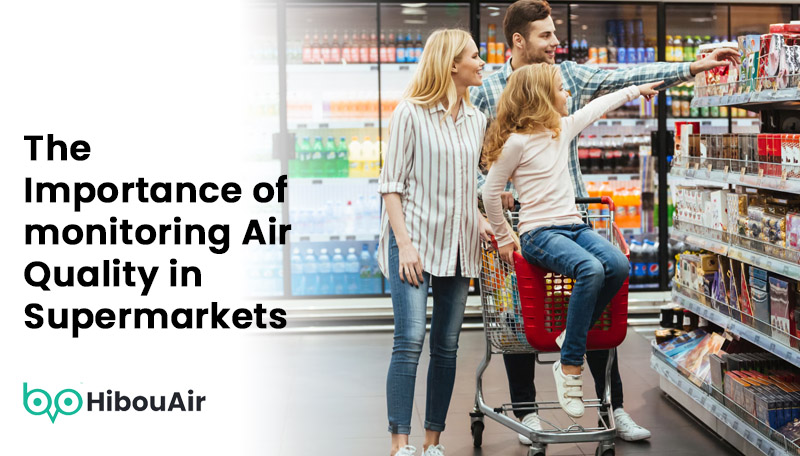
The Importance of monitoring Air Quality in Supermarkets and Warehouses

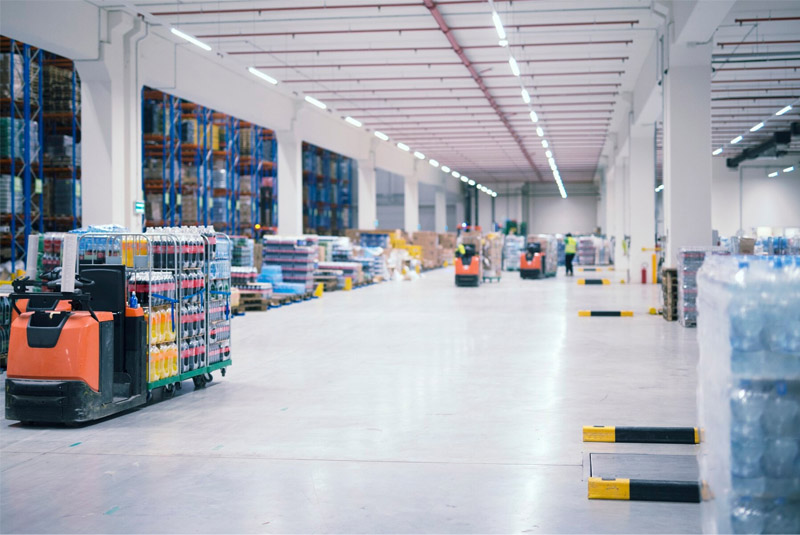
Air quality plays a crucial role in maintaining the health and comfort of occupants in any indoor environment. In supermarkets and warehouses, where large numbers of people work and shop, maintaining optimal air quality is essential. These environments often have high foot traffic, extensive product handling, and the use of various machinery, all of which can contribute to poor indoor air quality if not properly managed. HibouAir, with its advanced real-time and historical air quality monitoring capabilities, offers a comprehensive solution to address these challenges.

Challenges of Air Conditioning in Large Spaces

Supermarkets and warehouses are typically vast spaces, often with high ceilings and large open areas. These characteristics pose significant challenges for maintaining consistent air conditioning and ventilation. The large volume of air requires powerful HVAC systems, which can be difficult to regulate effectively. Temperature stratification, where the air temperature varies significantly at different heights, can lead to discomfort and uneven cooling or heating. Additionally, these spaces often have multiple entry and exit points, causing fluctuations in air quality as external pollutants enter the building.

The Importance of Monitoring Air Quality

Monitoring air quality in supermarkets and warehouses is vital for several reasons:

  1. Health and Safety: Poor air quality can lead to health issues for employees and customers, including respiratory problems, allergies, and other illnesses.
  2. Product Integrity: Many products, especially perishable goods, are sensitive to temperature, humidity, and air quality. Proper monitoring ensures these products remain in optimal condition.
  3. Regulatory Compliance: Adhering to air quality standards is necessary to meet health and safety regulations.
  4. Energy Efficiency: Monitoring allows for the optimization of HVAC systems, leading to significant energy savings.

How to Maintain Indoor Air Quality in Supermarkets

Maintaining good indoor air quality in supermarkets involves several strategies, leveraging advanced technology to ensure a healthy and comfortable environment for both customers and employees. Here are some key approaches:

  1. Regular HVAC Maintenance: Ensuring that HVAC systems are regularly maintained and cleaned to prevent the buildup of dust and other pollutants is essential. Continuous monitoring of air quality parameters such as particulate matter (PM), CO2, and volatile organic compounds (VOCs) can help identify when maintenance is needed, preventing issues before they become significant problems.
  2. Proper Ventilation: Implementing effective ventilation systems that provide a steady supply of fresh air while removing stale air and contaminants is crucial. Air quality monitoring sensors can track CO2 levels, temperature, humidity, and pressure, providing real-time data to adjust ventilation rates based on occupancy and environmental conditions. This helps maintain optimal air quality and energy efficiency.
  3. Advanced Monitoring and Integration: Utilizing comprehensive air quality monitoring systems that include sensors for CO2, PM1.0, PM2.5, PM10, VOCs, pressure, temperature, and humidity offers a holistic view of indoor air quality. These systems can easily integrate with existing HVAC and ventilation systems, enabling automated adjustments based on real-time data.
  4. Bluetooth Technology and Smart Analytics: Modern air quality monitoring devices often feature Bluetooth technology, allowing for seamless communication and data transfer. Coupled with a smart analytical dashboard, desktop application, and mobile application, these systems provide easy access to air quality data and insights, helping managers make informed decisions about maintaining and improving air quality.
  5. Real-Time and Weekly Alerts: Air quality monitoring systems that provide real-time alerts and weekly reports can help quickly address any air quality issues. Real-time alerts notify managers immediately when air quality parameters exceed safe levels, while weekly reports provide an overview of trends and potential areas for improvement.
  6. Virus Index and Occupancy Reports: Some advanced monitoring systems offer a virus index, which assesses the risk of airborne virus transmission based on air quality parameters. Additionally, occupancy reports can help manage ventilation and air conditioning systems more effectively by adjusting settings based on the number of people in the space, ensuring both comfort and energy efficiency.

Temperature Control by Monitoring

Effective temperature control in supermarkets and warehouses is essential for both product preservation and occupant comfort. HibouAir’s temperature sensors provide real-time data, enabling precise temperature regulation. This prevents hot and cold spots within the space, ensuring a uniform and comfortable environment. Moreover, maintaining the correct temperature is critical for food safety and prolonging the shelf life of perishable items.

Energy Consumption by Integrating HibouAir with Ventilation

Integrating HibouAir with existing ventilation systems can significantly reduce energy consumption. By continuously monitoring air quality parameters such as CO2 levels, temperature, humidity, and particulate matter, HibouAir can provide actionable insights to optimize HVAC operations. For instance, adjusting ventilation rates based on occupancy and real-time air quality data can lead to substantial energy savings.

HibouAir Solutions to Save Energy and Improve Comfort

HibouAir offers several solutions to improve air quality, save energy, and enhance comfort in supermarkets and warehouses:

  1. Real-Time Monitoring: Continuous monitoring of air quality parameters allows for immediate responses to any issues, ensuring a consistently healthy environment.
  2. Smart Analytics Dashboard: HibouAir’s dashboard provides valuable insights and trends, helping managers make informed decisions about HVAC operations and maintenance.
  3. Automated Control: Integrating HibouAir with building management systems enables automated adjustments to ventilation and air conditioning based on real-time data, optimizing energy use and maintaining optimal air quality.
  4. Comprehensive Sensor Suite: With sensors for CO2, PM1.0, PM2.5, PM10, pressure, temperature, humidity, and VOCs, HibouAir provides a holistic view of the indoor environment, ensuring all aspects of air quality are addressed.

Maintaining good air quality in supermarkets and warehouses is essential for health, safety, and operational efficiency. HibouAir provides a robust solution for monitoring and managing air quality, ensuring a comfortable and safe environment while optimizing energy use. By integrating HibouAir into their ventilation systems, supermarket and warehouse managers can achieve significant improvements in air quality, energy savings, and overall comfort.

Share this post on :

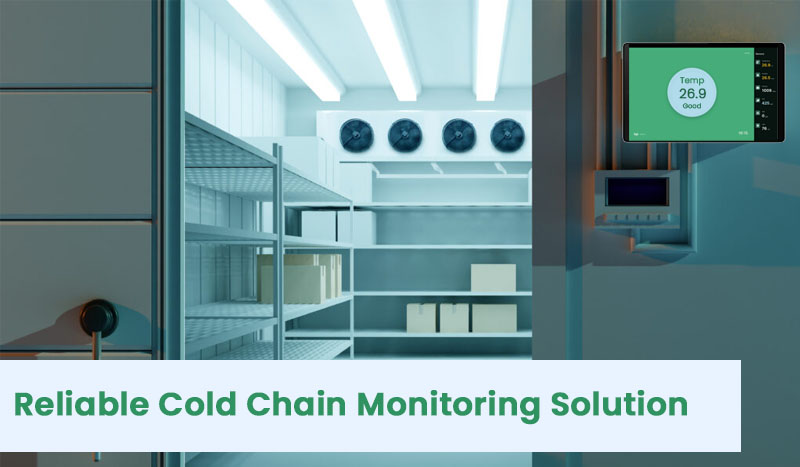
Reliable cold chain Monitoring Solution by HibouAir

In industries such as pharmaceuticals, food, and biotechnology, maintaining the integrity of products through precise environmental control is critical. The cold chain, a temperature-controlled supply chain, ensures that perishable goods are stored and transported within specified temperature ranges to prevent spoilage and ensure safety. Failure to maintain these conditions can lead to significant financial losses and potential health risks. As such, reliable and flexible monitoring solutions are essential for maintaining the integrity of the cold chain.

The Problems

  1. Temperature Variability: Even minor fluctuations in temperature can compromise the quality and safety of products. Traditional monitoring systems often fail to provide real-time data, making it difficult to respond promptly to deviations.
  2. Lack of Real-Time Data: Without real-time data, businesses cannot take immediate action to rectify issues. This delay can lead to the spoilage of sensitive products, resulting in financial loss and potential health hazards.
  3. Data Inaccuracy: Inaccurate or unreliable data can mislead businesses into thinking their products are safe when they are not. This misrepresentation can result in compromised product quality and safety.
  4. Complexity and Integration: Many monitoring systems are complex to install and difficult to integrate with existing systems, causing disruptions in operations and requiring extensive training.

The Solution: HibouAir

HibouAir is an advanced air quality monitoring device designed to provide reliable and flexible cold chain monitoring solutions. Equipped with various sensors, including temperature, CO2, PM1.0, PM2.5, PM10, pressure, humidity, and VOC, HibouAir ensures comprehensive environmental monitoring.

Features of HibouAir

  1. Temperature Sensor: HibouAir’s temperature sensor provides precise and real-time temperature readings, ensuring that any deviation from the set range is immediately detected.
  2. Multi-Parameter Monitoring: In addition to temperature, HibouAir monitors CO2 levels, particulate matter (PM1.0, PM2.5, PM10), pressure, humidity, and volatile organic compounds (VOC). This comprehensive monitoring ensures all environmental factors that can impact product quality are controlled.
  3. Real-Time Data: HibouAir provides real-time data through its smart analytical dashboard. This feature allows businesses to monitor conditions continuously and take immediate corrective actions if necessary.
  4. Historical Data Analysis: HibouAir’s dashboard also offers historical data analysis, enabling businesses to track trends, identify recurring issues, and implement long-term solutions.
  5. User-Friendly Interface: The analytical dashboard is intuitive and easy to use, making it accessible for all levels of staff without extensive training.
  6. Flexible Integration: HibouAir is designed to integrate seamlessly with existing systems, reducing installation complexity and ensuring uninterrupted operations.

How HibouAir Works

HibouAir operates by continuously collecting data from its multiple sensors and transmitting this information to its smart analytical dashboard. The temperature sensor, crucial for cold chain monitoring, provides precise readings that are displayed in real-time. If the temperature deviates from the pre-set range, HibouAir sends instant alerts, allowing for immediate corrective action.

The data collected is stored and can be accessed historically, providing valuable insights into environmental conditions over time. This information helps in identifying patterns and making informed decisions to improve cold chain management.

How HibouAir Can Help Businesses

  1. Ensure Product Integrity: By maintaining the correct environmental conditions, HibouAir ensures that perishable goods remain safe and of high quality throughout the supply chain.
  2. Reduce Financial Losses: Real-time monitoring and instant alerts prevent spoilage and reduce wastage, saving businesses significant amounts of money.
  3. Improve Compliance: For industries with strict regulatory requirements, such as pharmaceuticals, HibouAir ensures compliance with temperature control standards.
  4. Enhance Operational Efficiency: The user-friendly dashboard and seamless integration with existing systems streamline operations, reducing the need for manual monitoring and allowing staff to focus on other critical tasks.
  5. Data-Driven Decision Making: Historical data analysis provides insights into environmental conditions, helping businesses to identify and mitigate risks proactively.

In conclusion, HibouAir offers a reliable and flexible solution for cold chain monitoring. Its comprehensive environmental sensors, real-time data capabilities, and user-friendly interface make it an indispensable tool for businesses that require precise and reliable temperature control. By ensuring product integrity and operational efficiency, HibouAir helps businesses maintain high standards and achieve long-term success.

Share this post on :

The Importance of Monitoring Indoor Air Quality for Children’s Health in Schools

As we focus on creating a healthier environment for children, monitoring indoor air quality has become a crucial aspect of maintaining their overall well-being. This is especially important in schools and kindergartens, where children spend a significant portion of their day. The HibouAir air quality monitoring device, equipped with various sensors, offers a comprehensive solution for real-time and historical air quality monitoring, helps to take necessary steps for a safer and healthier environment for our young ones.

Understanding Indoor Air Quality and Its Impact on Children

Indoor air quality (IAQ) refers to the condition of the air within and around buildings, particularly as it relates to the health and comfort of the occupants. Poor IAQ can lead to various health issues, including respiratory problems, allergies, and even cognitive impairments, which are especially detrimental to children.

Research has shown that poor IAQ is linked to increased absenteeism and decreased academic performance among students. A study conducted by the Environmental Protection Agency (EPA) found that improving indoor air quality in schools can lead to a 5-10% increase in students’ academic performance due to better health and concentration . Another study published in the International Journal of Environmental Research and Public Health highlighted that children exposed to high levels of indoor pollutants are more likely to develop asthma and other respiratory conditions .

Children are more vulnerable to poor air quality due to their developing respiratory systems and higher breathing rates relative to their body size. Their immune systems are not fully developed, making them more susceptible to the harmful effects of pollutants. Therefore, it is crucial to monitor and manage the air quality in schools and kindergartens to safeguard their health and promote a conducive learning environment.

Key Pollutants and Their Effects on Children’s Health

  1. Carbon Dioxide (CO2): Elevated levels of CO2 can cause headaches, dizziness, and difficulty concentrating. In educational settings, this can impede learning and reduce cognitive function, affecting children’s academic performance.
  2. Particulate Matter (PM1.0, PM2.5, PM10): These tiny particles can penetrate deep into the lungs and even enter the bloodstream, causing respiratory issues, aggravating asthma, and increasing the risk of infections. Children, especially those with preexisting conditions, are at higher risk from exposure to particulate matter.
  3. Volatile Organic Compounds (VOC): VOCs are emitted from various sources, including paints, cleaning supplies, and building materials. Prolonged exposure to VOCs can lead to headaches, nausea, and long-term health issues such as liver and kidney damage. For children, this exposure can be particularly harmful, affecting their growth and development.
  4. Pressure, Temperature, and Humidity: These factors contribute to overall comfort and health. Unregulated temperature and humidity can create environments conducive to mold growth and dust mites, triggering allergies and respiratory problems. Maintaining optimal pressure levels ensures proper ventilation and air circulation.

The Role of HibouAir in Monitoring and Improving IAQ

HibouAir is an advanced air quality monitoring device designed to provide real-time data and historical trends of various environmental parameters, playing a crucial role in enhancing indoor air quality (IAQ). Equipped with a comprehensive sensor suite, including CO2, PM1.0, PM2.5, PM10, VOC, temperature, humidity, and pressure sensors, HibouAir continuously monitors and reports on key pollutants and conditions that affect health and comfort. By tracking carbon dioxide levels, particulate matter, volatile organic compounds, and maintaining optimal temperature, humidity, and pressure, HibouAir ensures effective ventilation and air circulation, reducing the presence of harmful pollutants. This detailed monitoring enables schools to take timely actions to maintain a healthy environment, reduce respiratory issues, improve cognitive function, and provide a comfortable learning atmosphere for children. With its smart analytical dashboard, HibouAir allows administrators to easily monitor air quality and make informed decisions, demonstrating a commitment to the well-being and future of their students.

Why Schools Should Invest in IAQ Monitoring

Investing in IAQ monitoring devices like HibouAir is not just about compliance with health standards; it is about creating a safe and nurturing environment for children to thrive. Improved air quality can lead to:

  • Better Health Outcomes: Reduced incidences of asthma, allergies, and other respiratory issues.
  • Enhanced Cognitive Function: Clearer thinking and better concentration, leading to improved academic performance.
  • Greater Comfort: A more comfortable learning environment, reducing absenteeism and promoting well-being.

By prioritizing indoor air quality, schools and kindergartens can demonstrate their commitment to the health and future of their students. HibouAir’s smart analytical dashboard allows administrators to easily monitor air quality and make informed decisions to enhance their environments.

Children are the most precious and vulnerable members of our society. Ensuring that the air they breathe is clean and healthy is paramount to their development and well-being. With HibouAir, schools and kindergartens can effectively monitor and improve indoor air quality, creating a safer, healthier, and more productive learning environment. Let’s invest in their health today for a brighter tomorrow.

References:

  1. The impact of indoor air pollution on children’s health and well-being: the experts’ consensus
  2. EPA – United States Environmental Protection Agency : Why IAQ Is Important to Your School
  3. European Environment Agency – Air pollution and children’s health
Share this post on :

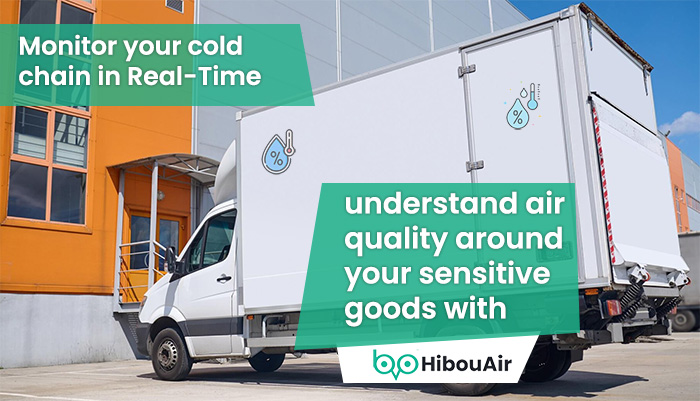
Monitor your cold chain in Real-Time: understand air quality around your sensitive goods with HibouAir

In today’s interconnected world, maintaining the integrity of sensitive goods during transportation is important. Whether you’re dealing with pharmaceuticals, perishable foods, or high-value electronics, understanding and controlling the environmental conditions affecting these items is crucial. This is where air quality monitoring devices like HibouAir come into play, providing real-time and historical data to help you maintain optimal conditions throughout the supply chain.

The Importance of Monitoring Air Quality in the Cold Chain

The cold chain, a temperature-controlled supply chain, is essential for the safe transport of perishable and sensitive goods. Any deviation from the required conditions can lead to product degradation, spoilage, and significant financial losses. Air quality monitoring in this context is not just about tracking temperature; it encompasses a range of environmental factors, including:

  • Temperature: Ensuring the goods are kept within the ideal temperature range to prevent spoilage.
  • Humidity: Controlling moisture levels to avoid mold growth and product degradation.
  • Volatile Organic Compounds (VOCs): Detecting harmful chemical vapors that could indicate contamination or product spoilage.
  • Carbon Dioxide (CO2): Monitoring CO2 levels to ensure proper ventilation and prevent harmful buildup.
  • Particulate Matter (PM1.0, PM2.5, PM10): Tracking fine particles that could affect product quality and safety.
  • Pressure and Light: Ensuring packaging integrity and monitoring exposure to light, which can affect the shelf life of certain products.

Real-Time Monitoring with HibouAir

HibouAir is designed to provide comprehensive monitoring of these critical factors. With sensors for CO2, particulate matter (PM1.0, PM2.5, PM10), pressure, temperature, humidity, and VOCs, HibouAir offers a complete solution for real-time air quality monitoring. Additionally, HibouAir’s smart analytical dashboard helps you better understand air quality and provides access to data from anywhere.

Benefits of Monitoring Environmental Factors

By tracking key environmental factors with HibouAir, businesses can significantly reduce the risk of product damage or loss. This proactive approach offers several advantages:

  • Enhanced Product Quality: Consistent monitoring ensures that products remain in optimal conditions, preserving their quality from origin to destination.
  • Regulatory Compliance: Many industries have stringent regulations regarding the transportation of sensitive goods. HibouAir helps you comply with these standards by providing detailed records of environmental conditions.
  • Cost Savings: Preventing spoilage and damage reduces waste and associated costs, leading to better financial outcomes for businesses.
  • Customer Satisfaction: Delivering high-quality products that meet customer expectations helps build trust and loyalty.

Including HibouAir into your cold chain management strategy provides peace of mind and a competitive edge. By ensuring that your sensitive goods are transported under optimal conditions, you not only protect your products but also enhance your reputation and bottom line. With real-time and historical data at your fingertips, HibouAir enables you to make informed decisions and maintain the highest standards of quality and safety.

Invest in HibouAir today and take the first step towards a more reliable and efficient cold chain. Your sensitive goods deserve the best, and HibouAir delivers it.
Share this post on :

Contact Us

Call us or simply fill out the form below, and one of our representatives will get back to you as soon as possible.