
Why Accurate Air Quality Monitoring Matters for Environmental Academic Studies

Air quality monitoring plays a pivotal role in understanding environmental dynamics, public health, and the effects of pollution. With the growing concerns over climate change and urbanization, academic researchers are increasingly turning their attention to studying air quality to uncover patterns, identify risks, and propose actionable solutions. Whether investigating urban air pollution, indoor air quality, or the impact of pollutants on human health, reliable air quality monitors are indispensable tools in academic research.

Why Academic Researchers Rely on Air Quality Monitors

Air quality monitoring devices are at the heart of many environmental studies, providing critical data on parameters such as particulate matter (PM), carbon dioxide (CO2), temperature, humidity, and volatile organic compounds (VOCs). These metrics help researchers analyze air quality trends over time, understand the impact of pollutants on ecosystems, and develop models to predict future air quality scenarios.

Accurate and real-time data is vital for these studies, enabling researchers to respond to immediate changes in the environment and draw meaningful conclusions. Historical data, on the other hand, allows for long-term studies and comparative analysis, fostering a deeper understanding of how environmental policies, industrial activities, and natural events influence air quality.

Key Features of Air Quality Monitors for Research

When selecting air quality monitors for academic research, researchers often prioritize the following:

  • Comprehensive Sensor Suite: Devices that monitor a broad range of parameters such as PM1.0, PM2.5, PM10, CO2 levels, VOCs, temperature, humidity, noise, and atmospheric pressure.
  • Real-Time and Historical Data Access: The ability to capture real-time data and store historical records for in-depth analysis.
  • High Precision and Accuracy: Reliable data is a cornerstone of credible research. Monitors with precise sensors ensure the integrity of research findings.
  • Ease of Use: Portable and user-friendly devices facilitate fieldwork and lab analysis.
  • Connectivity and Integration: Advanced devices offer seamless integration with software for data visualization and analysis.

Why Choose HibouAir for Academic Research

HibouAir is a robust air quality monitoring solution designed to meet the needs of academic researchers. Equipped with a wide array of sensors, it provides real-time and historical data on key air quality parameters, enabling detailed environmental analysis. Its compact design, ease of use, and connectivity options make it ideal for both field studies and laboratory research.

The ability to measure particulate matter (PM1.0, PM2.5, PM10), CO2, VOCs, temperature, humidity, and other variables offers researchers a holistic view of air quality. Furthermore, HibouAir’s data accuracy and user-friendly interface simplify complex research workflows, enables researchers to focus on their study outcomes.

Applications of Air Quality Monitors in Academic Research

Academic researchers employ air quality monitors in diverse fields, such as:

  • Urban Planning and Policy Development: Studying air quality in urban areas to inform policies aimed at reducing pollution and enhancing public health.
  • Environmental Health: Assessing the impact of air pollutants on human health and ecosystems.
  • Climate Change Studies: Monitoring greenhouse gases and particulate matter to understand their role in climate dynamics.
  • Industrial Impact Analysis: Investigating the effects of industrial emissions on local air quality.
  • Indoor Air Quality Studies: Exploring air quality in homes, offices, and educational institutions to propose solutions for healthier indoor environments.

Advancing Research Through Reliable Data

Reliable air quality monitoring is the backbone of impactful research. By providing accurate, comprehensive, and actionable data, devices like HibouAir helps academic researchers to contribute to scientific advancements and societal well-being. Whether studying the effects of pollutants or crafting strategies for a sustainable future, high-quality air quality monitors are indispensable in the journey toward understanding and improving our environment.

For researchers passionate about environmental health and air quality, tools like HibouAir open new doors to discovery, enabling them to make meaningful contributions to science and society.
Share this post on :

How Outdoor Air Quality Impacts Indoor Environments

As the majority of people spend over 90% of their time indoors, the air quality inside our homes and workplaces significantly impacts our health and well-being. However, the relationship between outdoor air pollution and indoor air quality (IAQ) is often overlooked. A study highlights how outdoor particulate matter (PM2.5) infiltrates indoor spaces and emphasizes the importance of both monitoring and managing IAQ through effective tools and systems.

The Outdoor-Indoor Air Quality Connection

Outdoor air pollution, particularly fine particulate matter (PM2.5), poses severe risks to human health. PM2.5 particles are small enough to penetrate deep into building envelopes, affecting the air we breathe indoors. While many assume that being indoors shields them from outdoor pollutants, research reveals a more nuanced reality.

  • Indoor PM2.5 Mirrors Outdoor Pollution: The study, conducted across 37 office buildings in four countries (China, India, the United States, and the United Kingdom), showed that indoor PM2.5 levels are strongly influenced by outdoor air quality, especially in regions with severe outdoor pollution.
  • Elevated Risk in Polluted Areas: In countries like China and India, where outdoor air pollution is high, indoor PM2.5 levels often exceeded the World Health Organization’s (WHO) 24-hour exposure guideline of 25 µg/m³, underscoring the need for vigilance and proactive action.

Key Findings from the Study

  • Outdoor Pollution Drives Indoor Air Quality: A 10 µg/m³ increase in outdoor PM2.5 was associated with a 19.9% increase in indoor PM2.5 during work hours and a 23.4% increase during non-work hours.
  • The Role of Filtration: High-efficiency filters (MERV 13+ or higher) reduced indoor PM2.5 by up to 39% compared to standard filters, demonstrating their importance in polluted regions.
  • Dynamic Conditions Require Dynamic Monitoring: Natural and human-made events like wildfires can drastically alter outdoor air quality, making continuous monitoring essential for maintaining a healthy indoor environment.

Why Does Outdoor PM2.5 Penetrate Indoors?

The ability of outdoor pollutants to infiltrate buildings depends on several factors:

  • Building Envelope Integrity: Leaky windows, doors, and poorly sealed structures allow outdoor air to seep inside.
  • Ventilation Systems: Mechanical ventilation systems that draw in outdoor air can inadvertently introduce pollutants if not paired with effective filtration.
  • Filter Efficiency: The study revealed that buildings with low-efficiency filters (MERV 7–12) allowed higher levels of PM2.5 indoors compared to buildings equipped with high-efficiency filters (MERV 13 or higher).

Why Monitoring Air Quality Is Essential

Although ventilation and filtration systems are vital for mitigating indoor air pollution, they are not always enough. Natural events, such as wildfires, can suddenly increase outdoor pollution, overwhelming even high-efficiency systems. In such scenarios, monitoring air quality becomes critical for timely intervention.

  • Evaluating System Performance: An air quality monitoring device like HibouAir allows facility managers and other responsible personnel to determine whether ventilation and filtration systems are effectively maintaining healthy indoor air.
  • Identifying Trends and Incidents: Continuous monitoring helps identify patterns and detect sudden spikes in pollution, such as those caused by wildfires, construction activity, or other outdoor events.
  • Actionable Data for Immediate Response: Real-time air quality monitoring enables swift decisions, such as adjusting ventilation rates, increasing filtration capacity, or sealing building envelopes during high-pollution events.

HibouAir: Your Partner in IAQ Monitoring

While ventilation and filtration systems are vital, monitoring indoor air quality is equally important to understand and address pollution sources. HibouAir, an advanced air quality monitoring solution, empowers users to track indoor pollutants and respond effectively.

  • Real-Time Insights: HibouAir provides real-time data on PM2.5, CO₂, VOCs, temperature, and humidity, helping users understand if their ventilation and filtration systems are performing as intended.
  • Detecting Sudden Changes: When outdoor events like wildfires increase PM2.5 levels, HibouAir alerts users to take immediate corrective action, such as activating additional filtration or temporarily limiting outdoor air intake.
  • Historical Data for Planning: Facility managers can analyze trends to understand how seasonal changes or specific incidents impact IAQ, enabling more robust planning and system optimization.
  • Plug-and-Play Convenience: Designed for ease of use, HibouAir connects seamlessly to your devices, delivering actionable insights in real time.

Facility managers, business owners, and homeowners all have a role in ensuring healthy indoor air quality. While ventilation and filtration systems are critical, a monitoring device like HibouAir serves as the essential link between system performance and actionable insights. It provides a clear picture of indoor air quality, highlighting when systems are effective and when adjustments are needed.

The link between outdoor and indoor air quality underscores the need for proactive measures to protect indoor environments. Whether you live in a city with high pollution or a relatively clean area, tools like HibouAir provide the data needed to maintain healthy IAQ. Combined with high-efficiency filtration and robust building design, HibouAir enables you to take control of your indoor air, ensuring safety and well-being for everyone inside.

Resource

https://www.sciencedirect.com/science/article/pii/S0360132321003796

Share this post on :

The impact of wildfire smoke on indoor air quality: How HibouAir can help

Wildfires have become increasingly frequent and intense due to climate change, posing significant threats not only to outdoor air quality but also to the indoor environments where we stay. Understanding the impact of wildfire smoke on indoor air quality is crucial for safeguarding our health. This is where HibouAir, a comprehensive air quality monitoring device, comes into play. With its array of sensors and smart analytical dashboard, HibouAir offers real-time and historical data to help you maintain a healthier indoor environment during wildfire events.

Understanding Wildfire Smoke and Its Components

Wildfire smoke is a complex mixture of gases and fine particles produced by the combustion of vegetation and other materials. The key pollutants in wildfire smoke include particulate matter (PM1.0, PM2.5), which can penetrate deep into the lungs, causing respiratory and cardiovascular issues; carbon dioxide (CO2), which at high levels can displace oxygen in the air and lead to health problems; volatile organic compounds (VOCs), which are gases emitted from burning vegetation and materials that can cause short- and long-term health effects; and other gases such as carbon monoxide (CO), nitrogen oxides (NOx), and ozone (O3), which can exacerbate respiratory conditions and other health problems.

How Wildfire Smoke Affects Indoor Air Quality

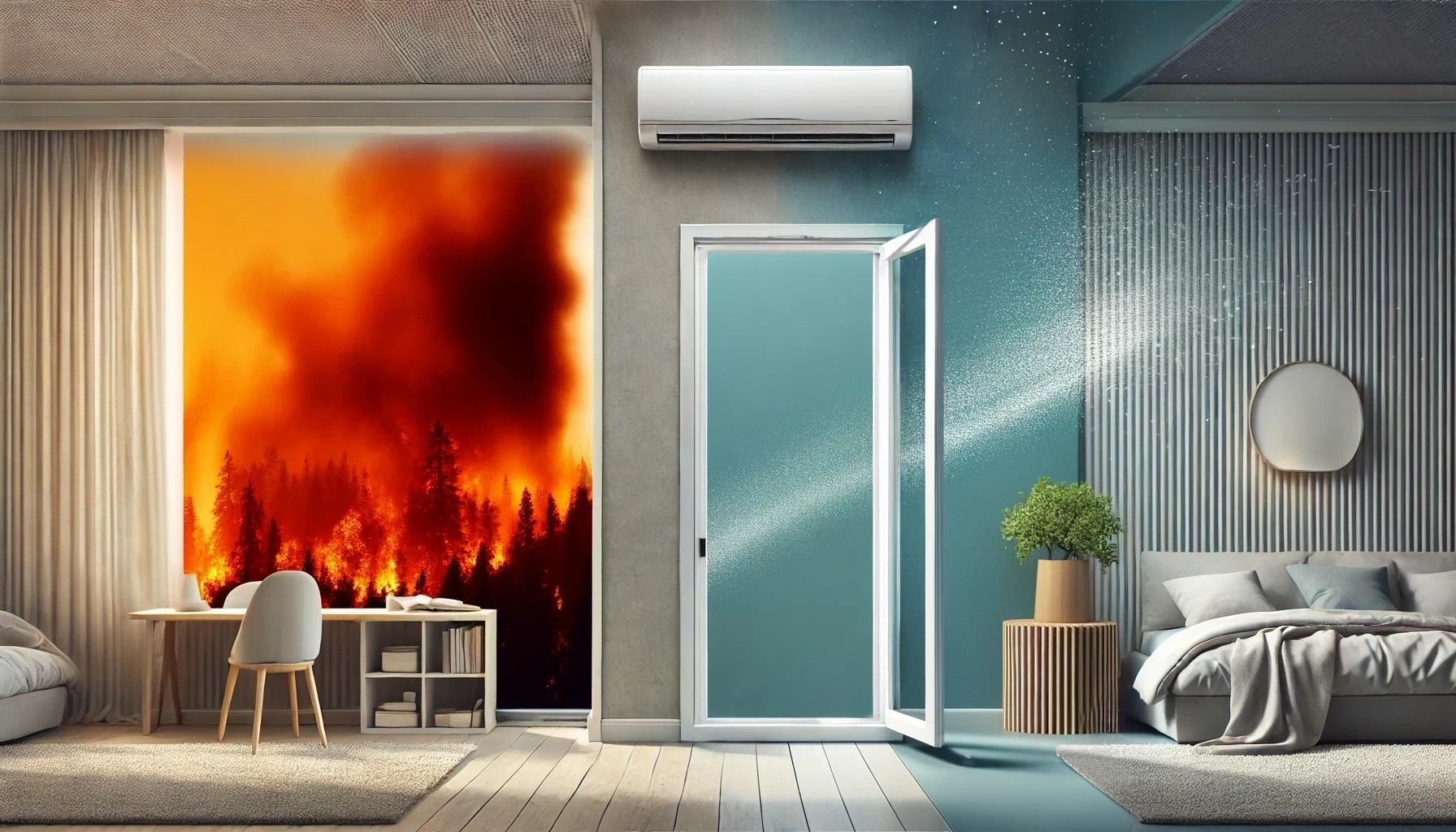
Wildfire smoke can infiltrate indoor spaces through windows, doors, ventilation systems, and even tiny cracks in buildings. Once inside, the pollutants can linger and accumulate, leading to poor indoor air quality. This is particularly concerning for vulnerable populations such as children, the elderly, and those with pre-existing health conditions. The primary effects of poor indoor air quality due to wildfire smoke include increased incidence of asthma attacks, bronchitis, and other respiratory conditions; elevated risk of heart attacks and other cardiovascular diseases; irritation and inflammation of the eyes and skin; and reduced cognitive function, which can affect concentration and productivity.

Photo credit : https://www.nytimes.com/

Expert Insight: Dr. Joseph Allen on Indoor Air Quality During Wildfires

Wildfires significantly impact both outdoor and indoor air quality, introducing pollutants that can infiltrate homes and buildings. Dr. Joseph Allen, Associate Professor at the Harvard T.H. Chan School of Public Health and Director of the Healthy Buildings Program, emphasizes that simply staying indoors during wildfire events is insufficient without proper air quality management.

Monitoring and Mitigating Indoor Air Quality with HibouAir

HibouAir provides a robust solution to monitor and improve indoor air quality during wildfire events. The device is equipped with sensors that measure various air quality parameters, including CO2, PM1.0, PM2.5, PM10, pressure, temperature, humidity, and VOCs. This comprehensive monitoring allows you to detect the presence and concentration of harmful pollutants from wildfire smoke. HibouAir provides real-time air quality data, enabling you to take immediate action if pollutant levels rise, which is crucial during wildfire events when air quality can deteriorate rapidly. Additionally, HibouAir’s analytical dashboard stores historical data, helping you identify trends and assess the effectiveness of air quality improvement measures over time.

Practical Steps to Improve Indoor Air Quality

With customizable alerts, HibouAir can notify you when air quality parameters exceed safe levels, allowing you to respond promptly to protect your indoor environment. The smart analytical dashboard offers insights and recommendations for improving air quality, such as optimizing ventilation, using air purifiers, or sealing gaps in the building envelope. In addition to using HibouAir, there are practical steps you can take to protect your indoor air quality during wildfire events. These include sealing your home by closing windows and doors and using weather stripping to prevent smoke infiltration; investing in high-efficiency particulate air (HEPA) purifiers to filter out fine particles from the indoor air; optimizing ventilation by using air conditioning systems with high-quality filters and setting them to recirculate indoor air; and limiting indoor activities that can worsen air quality, such as burning candles, using fireplaces, or cooking with gas stoves.

Wildfire smoke poses a significant threat to both outdoor and indoor air quality. By understanding the impact and utilizing advanced monitoring tools like HibouAir, you can protect your indoor environment and health. HibouAir’s comprehensive monitoring, real-time data, and actionable insights make it an indispensable tool for maintaining a healthier indoor environment, especially during wildfire events. Investing in air quality monitoring and improvement measures is not just a choice but a necessity for ensuring long-term health and well-being.

References

  1. Wildfires and Indoor Air Quality (IAQ) – https://www.epa.gov/indoor-air-quality-iaq/wildfires-and-indoor-air-quality-iaq
  2. Impact of Wildfire Smoke Events on Indoor Air Quality – https://aaqr.org/articles/aaqr-21-03-tn-0046
  3. Canadian Wildfire Smoke (Inside Climate News) – https://insideclimatenews.org/news/14052024/todays-climate-canada-wildfires-smoke-america-indoor-air-quality/
  4. Wildfire smoke impacts on indoor air quality assessed using crowdsourced data in California – https://www.pnas.org/doi/10.1073/pnas.2106478118
  5. Wildland Fires and Smoke – https://www.epa.gov/air-quality/wildland-fires-and-smoke
Share this post on :

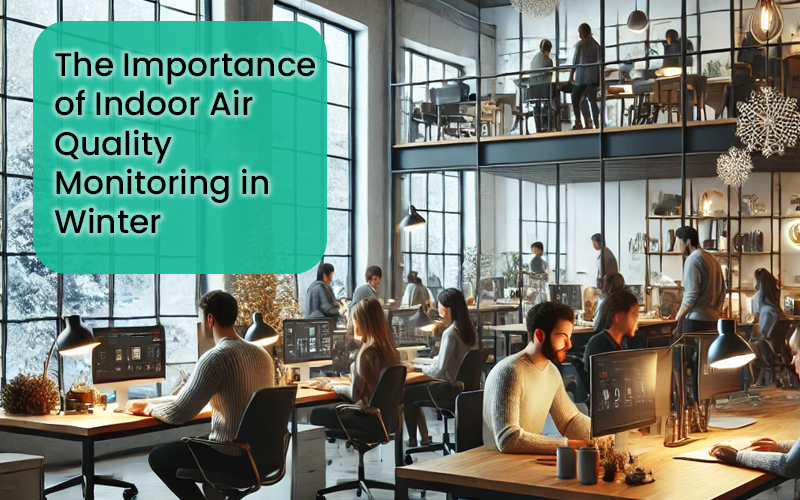
The Importance of Indoor Air Quality Monitoring in Winter: Stay Healthy with HibouAir

Winter is a season of festivities, warm gatherings, and cozy nights. However, it is also a time when air pollution levels peak, both outdoors and indoors. For many, the colder months bring an increase in respiratory issues, allergies, and other health problems, all of which can be attributed to poor indoor air quality. Monitoring and maintaining clean air inside your home, office, or other indoor spaces is crucial to your health and comfort during the winter months.

Why Does Air Pollution Rise in Winter?

Several factors contribute to the spike in air pollution during winter:

Temperature Inversion: During winter, cooler air traps pollutants close to the ground, a phenomenon called temperature inversion. Unlike in warmer months, when warm air rises and disperses pollutants, the cold air creates a barrier, holding pollution closer to the earth’s surface. This effect leads to an increase in particulate matter (PM) and gases such as carbon dioxide (CO₂) and volatile organic compounds (VOCs), especially in urban areas.

Increased Use of Heating Systems: Indoor heating systems, such as furnaces, wood stoves, and space heaters, emit particulates and gases like CO₂, which can accumulate indoors. Studies show that wood-burning stoves, in particular, can significantly raise the levels of PM2.5 inside homes. The Environmental Protection Agency (EPA) highlights this as a major concern during the winter months.

Reduced Ventilation: In colder months, windows and doors remain closed to keep out the chill. While this conserves heat, it also traps indoor pollutants like CO₂, VOCs, and allergens inside, leading to stale and polluted indoor air.

Burning of Fossil Fuels: The burning of fossil fuels for heating and increased vehicle use during winter also contribute to outdoor pollution, which can seep indoors.

Why Indoor Air Quality Monitoring Matters in Winter

Indoor air quality monitoring is essential in winter due to the unique challenges posed by the season. As we spend more time indoors with limited ventilation, pollutants such as carbon dioxide (CO₂), particulate matter (PM), volatile organic compounds (VOCs), and allergens accumulate, impacting our health and well-being.

Higher CO₂ levels in poorly ventilated spaces can cause fatigue, headaches, and reduced productivity. Particulate matter, often generated by heating systems and cooking, penetrates deep into the lungs, increasing the risk of respiratory and cardiovascular issues. Low humidity during winter further irritates the skin, eyes, and respiratory system, making it harder to combat infections. VOCs from everyday items like cleaning agents and furniture add to the problem, creating an unhealthy environment.

Monitoring indoor air quality provides real-time data, helping you identify these issues before they become severe. Devices like HibouAir empower you to track pollutants, prompt you to improve ventilation, and maintain a healthier environment. Whether at home, in the office, or in public spaces, air quality monitoring ensures safety, health, and comfort during winter.

What HibouAir Offers

HibouAir is a multi-sensor air quality monitoring solution designed to provide real-time data on key environmental parameters. It continuously measures CO₂, PM1.0, PM2.5, PM10, ambient pressure, temperature, relative humidity, ambient light, noise, and VOCs. This holistic monitoring ensures you are aware of all factors impacting indoor air quality.

Real-Time and Historical Data: HibouAir provides actionable insights through its real-time and historical data. This helps users make informed decisions, whether it’s opening a window for ventilation or adjusting a humidifier.

Versatility: HibouAir is suitable for use in homes, offices, educational institutes, healthcare facilities, and more. It provides accurate data across various settings, helps users to create safe environments.

User-Friendly Design: HibouAir is plug-and-play air quality monitoring solution. For those seeking advanced analytics and remote monitoring, the HibouAir Cloud Solutions offer tailored options to meet specific needs.

Tips for Improving Indoor Air Quality in Winter

Ventilate Regularly: Open windows periodically to allow fresh air circulation, even on colder days.

Use Air Purifiers: Install air purifiers to reduce particulates and allergens indoors.

Maintain Proper Humidity: Use humidifiers to maintain ideal humidity levels between 30-50%.

Avoid Harsh Chemicals: Opt for natural cleaning products to minimize VOC emissions.

Monitor with HibouAir: Stay informed with accurate, real-time data to maintain healthy indoor air.

Winter poses unique challenges to indoor air quality, but monitoring and proactive measures can mitigate its impact. With a reliable air quality monitoring device like HibouAir, you can ensure your indoor environment remains safe and healthy throughout the colder months.

Share this post on :

HibouAir Standalone Air Quality Monitor : Simple Plug & Play Setup

HibouAir Standalone Air Quality Monitor, a powerful, plug-and-play device that gives you real-time insights into your indoor air quality without the need for cloud connectivity.

Features of the HibouAir Standalone Air Quality Monitor

The HibouAir Standalone Air Quality Monitor provides a comprehensive range of measurements, including temperature, humidity, pressure, light, and volatile organic compounds (VOCs). Depending on the model, you can also monitor specific additional parameters: the HibouAir PM tracks particulate matter (PM1.0, PM2.5, and PM10), making it ideal for spaces with dust, smoke, or allergens, while the HibouAir CO₂ measures carbon dioxide (CO₂) levels, perfect for enclosed spaces where fresh air may be limited.

Unlike other air quality monitors that require complex setup or cloud accounts, HibouAir is a truly plug-and-play solution. Just turn on the device, connect it via Bluetooth to your smartphone, and start monitoring in seconds. There’s no hassle with internet connectivity or cloud subscriptions, making it ideal for anyone looking for a straightforward and private monitoring solution.

Privacy and simplicity are at the core of HibouAir’s design, without the need for cloud connectivity. Your data remains local to your device, accessible only through a secure Bluetooth connection. This also means you can monitor air quality offline, which is especially useful in locations with limited internet access or for users concerned about data security.

7-Day Data Storage and Visualization

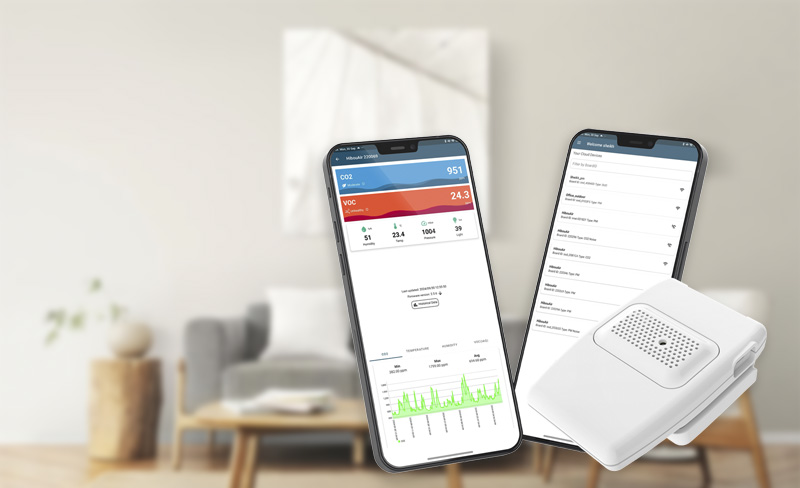
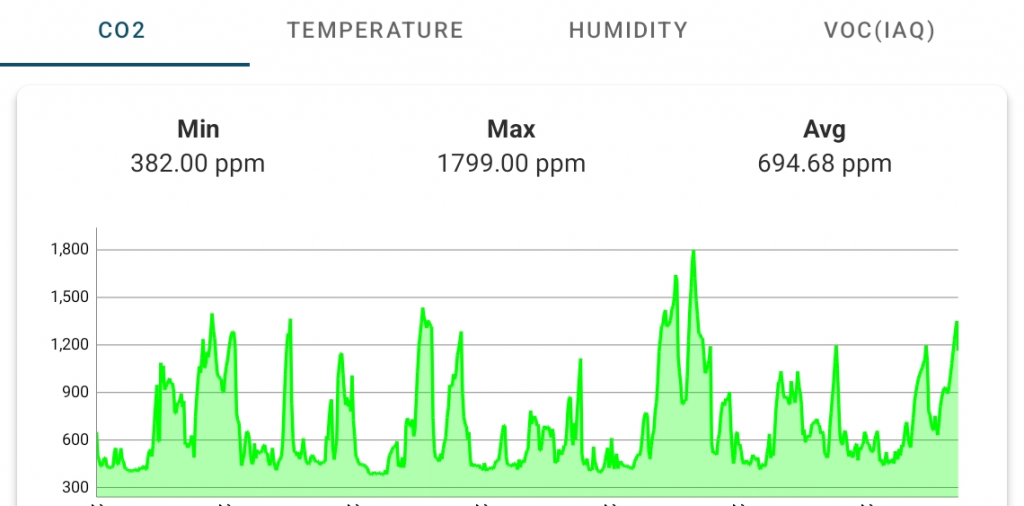
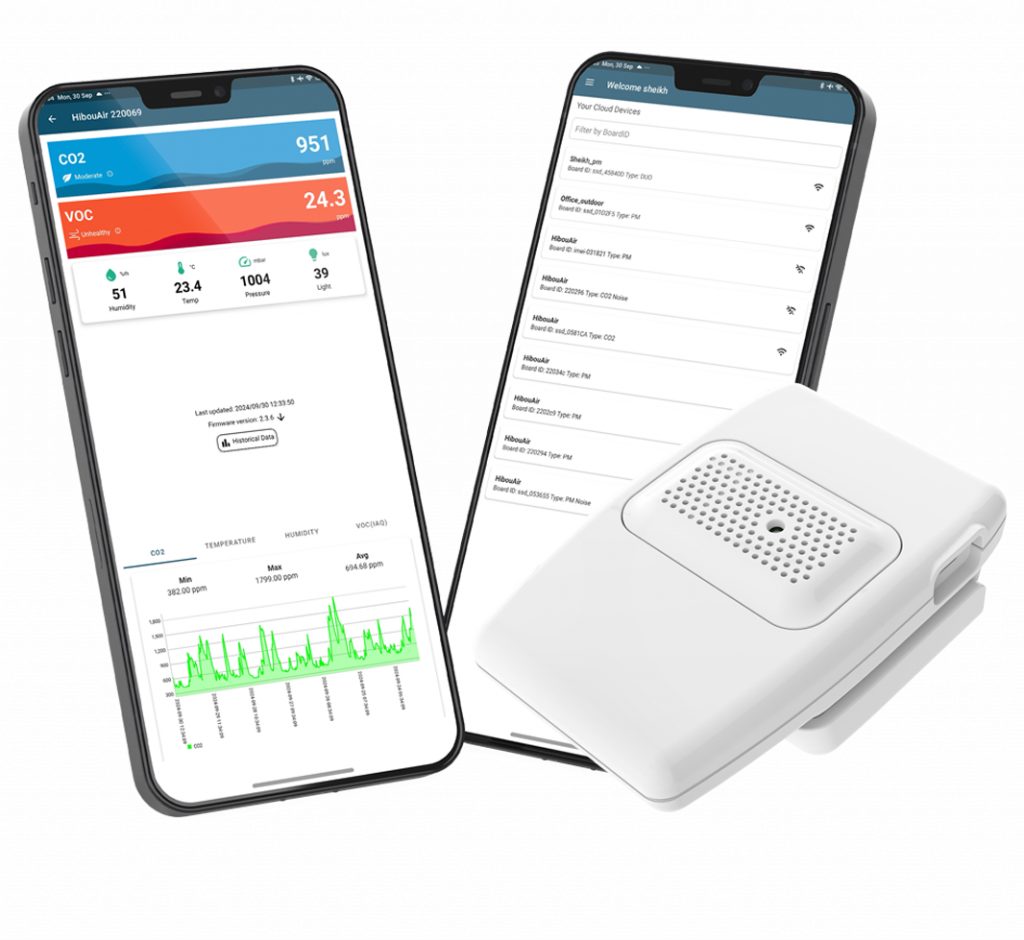
The HibouAir device stores up to seven days of historical air quality data. With the free HibouAir mobile app, you can access this data in easy-to-read charts and graphs, helping you spot trends and make informed decisions to improve your indoor environment.

Free Mobile Application for Real-Time Monitoring

The free HibouAir mobile application allows you to view real-time air quality data right from your smartphone. The app’s clean, intuitive interface displays information for each parameter. Gain meaningful insights into your environment with HibouAir’s intelligent app feature. The app provides an intuitive assessment of air quality through color-coded indicators and informative text, allowing you to understand air quality levels at a glance.

Use Cases for HibouAir Standalone Air Quality Monitor

With its versatile monitoring capabilities, the HibouAir device is suited to a range of environments and purposes. Here are some scenarios where HibouAir makes a significant impact:

Home Monitoring

In homes, especially those with children or elderly individuals, monitoring air quality can help improve comfort and health. HibouAir PM is particularly useful for tracking particulate matter from sources like cooking, smoking, or outdoor pollution. The HibouAir CO₂ model can help ensure proper ventilation, alerting you when CO₂ levels are too high.

Offices and Workspaces

Poor air quality in offices can affect productivity and lead to health issues like fatigue or headaches. The HibouAir CO₂ model helps office managers track CO₂ levels and improve ventilation to create a more comfortable workspace. The device’s standalone nature also means it’s easy to deploy in various rooms or areas without additional infrastructure.

Educational Institutions

Schools and universities often have high occupancy rates, which can lead to increased CO₂ levels. HibouAir is an excellent tool for monitoring air quality in classrooms, helping ensure a healthy learning environment for students and staff alike.

Healthcare Facilities

In healthcare settings, where patient safety is paramount, HibouAir’s real-time monitoring of VOCs, particulate matter, and CO₂ levels can help maintain a cleaner, safer environment. The HibouAir PM model is especially useful in monitoring airborne particles, which can impact respiratory health.

Fitness Centers and Gyms

Exercise generates CO₂, especially in closed gym areas. The HibouAir CO₂ model can help gym owners monitor air quality to ensure sufficient ventilation and comfort for clients.

Why Choose the HibouAir Standalone Air Quality Monitor?

Choosing HibouAir means opting for simplicity, reliability, and a strong focus on user privacy. Here’s what sets this device apart:

Cost-Effective air quality monitoring Solution

HibouAir offers all essential air quality monitoring features at a competitive price. One-time purchase with no hidden fees or subscriptions, making it a budget-friendly solution.

Privacy and Data Security

By operating without cloud connectivity, HibouAir ensures that your data remains private and accessible only to you. This is ideal for users who value data security and prefer a localized monitoring solution.

Ease of Use

The device’s plug-and-play air quality monitoring functionality and user-friendly app make it accessible even to non-tech-savvy users. HibouAir was designed to make air quality monitoring simple and accessible to everyone, from families to facility managers.

Flexible Models for Different Needs

With two models, HibouAir PM and HibouAir CO₂, you can choose the device that best suits your needs. Whether you’re concerned about particulate matter or CO₂ levels, there’s a HibouAir device designed specifically for you.

Real-Time and Historical Data Analysis

The mobile app not only displays real-time data but also offers a seven-day data history. This feature is invaluable for users who want to analyze trends, understand peak pollution times, or measure the impact of ventilation changes on air quality.

The HibouAir Standalone Air Quality Monitor is more than just a device—it’s your partner in maintaining a cleaner, healthier indoor environment. By providing real-time data, historical analysis, and flexible monitoring options, HibouAir helps you to understand and control the air quality around you.

With HibouAir, you’re not just buying an air quality monitor; you’re choosing a healthier, more informed lifestyle.

Share this post on :

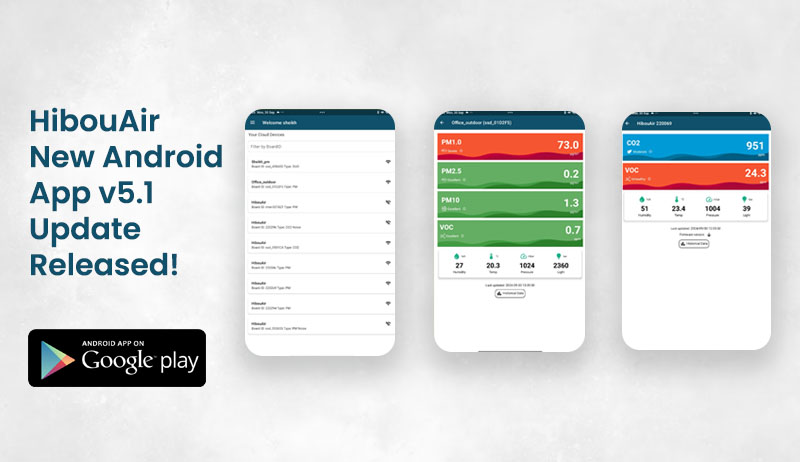
HibouAir’s Advanced Air Quality Monitoring: New Android App Update Released!

Our surroundings often influence our productivity, health, and well-being—especially in enclosed spaces like homes, offices, educational institutions, and healthcare facilities. That’s where HibouAir steps in, an advanced multi-sensor air quality monitor designed to deliver comprehensive insights into your environment’s air quality in real time.

The Latest HibouAir Android App Update – Version 5.1

Our Android mobile application, now updated to version 5.1, introduces new features and improved functionalities designed to enhance user experience and make air quality monitoring even more accessible. Here’s what you can expect in this release:

  • Enhanced User Interface: A redesigned layout improves ease of use and provides intuitive access to real-time data and historical insights, making it simple to monitor air quality trends.
  • Improved BLE Connection Stability: Users will notice smoother Bluetooth connectivity, allowing for uninterrupted, reliable data transfer between the HibouAir device and the mobile app.
  • Real-Time Data Updates with Historical Reading Support: Experience accurate, timely data and access historical readings for detailed trend analysis, right from your Android device.
  • CO2 Calibration for Cloud Users: HibouAir cloud users can now conveniently calibrate CO2 measurements on their devices, ensuring precision in their air quality insights.
  • Better Wi-Fi Setup: Setting up Wi-Fi for HibouAir has been optimized, simplifying the initial connection process and enhancing device management for all users.

Available on iOS Too!

Our HibouAir iOS app also offers real-time air quality insights for iPhone and iPad users, delivering the same high standard of functionality and ease of use as its Android counterpart.

Whether you’re at home, at work, or managing an educational or healthcare facility, HibouAir provides actionable, data-driven insights to create safer, healthier indoor environments. Visit our download section to download our latest Android or iOS app update.

Share this post on :

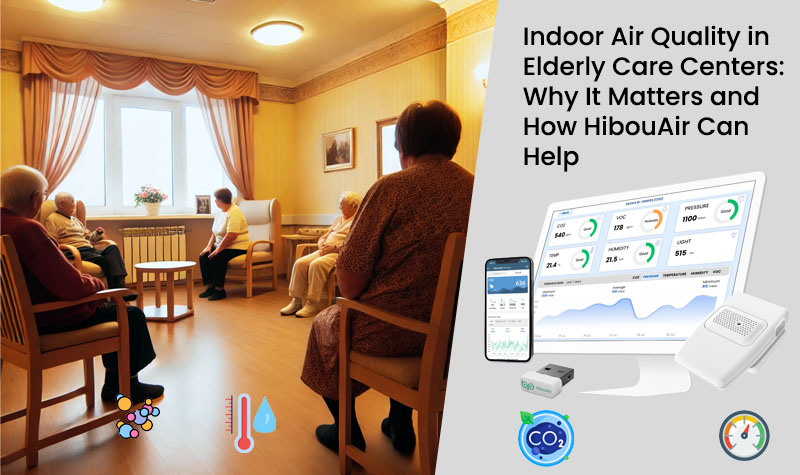
Indoor Air Quality in Elderly Care Centers: Why It Matters and How HibouAir Can Help

Indoor air quality (IAQ) is an essential aspect of maintaining a healthy environment, especially in elderly care centers. The residents in these facilities are often more vulnerable to environmental pollutants due to age-related health conditions, weakened immune systems, and pre-existing respiratory or cardiovascular issues. Therefore, maintaining high air quality standards in these spaces is crucial to their well-being and quality of life. This article explores the challenges of maintaining good IAQ in elderly care centers, the common issues faced, and how HibouAir can provide an effective solution.

The Importance of Indoor Air Quality in Elderly Care Centers

For the elderly, even low levels of air pollutants can pose significant health risks. Poor indoor air quality can contribute to various health problems such as respiratory infections, allergies, asthma, chronic obstructive pulmonary disease (COPD), and cardiovascular conditions. In elderly care centers, where residents spend most of their time indoors, air quality directly impacts their health and comfort. Additionally, maintaining good IAQ can help prevent the spread of airborne viruses, which is particularly crucial in environments where older adults live in close quarters.

Common Air Quality Challenges in Elderly Care Centers

Elevated CO2 Levels: In indoor environments like care centers, high occupancy and limited ventilation can lead to increased CO2 levels. High CO2 concentrations can cause drowsiness, headaches, and cognitive impairment, affecting both residents and staff.

Particulate Matter (PM): Particulate matter, including PM 1.0, PM 2.5, and PM 10, consists of tiny particles that can be inhaled into the lungs. In elderly care centers, these particles may come from sources such as outdoor pollution, cleaning agents, and even indoor activities. Long-term exposure to PM can lead to respiratory and cardiovascular issues, particularly for residents with existing health conditions.

Volatile Organic Compounds (VOCs): VOCs are emitted by products like disinfectants, air fresheners, paints, and building materials. These compounds can cause symptoms ranging from eye irritation and headaches to more severe respiratory issues. In a setting where elderly residents are already vulnerable, reducing VOC exposure is critical for maintaining a safe environment.

Temperature and Humidity Control: Maintaining optimal temperature and humidity levels is vital for comfort and health. Low humidity can lead to dry skin and respiratory discomfort, while high humidity levels can promote mold growth, exacerbating respiratory conditions. Elderly residents often have reduced adaptability to temperature changes, making precise control of temperature and humidity crucial in care centers.

Noise Pollution: Noise levels can have a significant impact on the comfort and well-being of elderly residents. Excessive noise can cause stress, anxiety, and sleep disturbances, negatively affecting their overall health.

Benefits of Implementing HibouAir in Elderly Care Centers

Improved Health and Well-being: By maintaining optimal air quality, HibouAir helps reduce the risk of respiratory issues and other health complications, contributing to the overall well-being of elderly residents. It also helps create a more comfortable and pleasant living environment, enhancing their quality of life.

Increased Operational Efficiency: HibouAir’s smart monitoring allows care centers to optimize their HVAC systems, potentially reducing energy costs. For example, by identifying areas where ventilation can be adjusted based on real-time air quality data, care centers can ensure efficient use of resources while maintaining high air quality standards.

Compliance with Health and Safety Standards: Many regions have specific regulations and guidelines for indoor air quality in care facilities. HibouAir provides a reliable way to monitor and maintain compliance with these standards, helping care centers avoid penalties and ensuring a safe environment for residents.

Peace of Mind for Families and Staff: Families entrusting their loved ones to care centers are increasingly concerned about air quality and the overall environment. HibouAir’s monitoring capabilities provide peace of mind to families by ensuring that their loved ones are living in a safe, well-monitored environment. It also empowers staff with the tools they need to maintain the highest standards of care.

Why Choose HibouAir?

HibouAir stands out with its user-friendly setup and robust functionality. The device can be easily installed in any room, and its plug-and-play nature means it doesn’t require extensive technical knowledge to operate. With its real-time data access via the mobile application and the advanced cloud dashboard for in-depth analysis, HibouAir offers a complete solution for improving indoor air quality in elderly care centers. It ensures a healthier and safer environment, allowing staff to focus on what matters most—caring for their residents.

Indoor air quality is a critical factor in the health and well-being of residents in elderly care centers. Addressing issues such as CO2 levels, particulate matter, VOCs, and temperature control is essential to creating a safe and comfortable environment. HibouAir’s advanced air quality monitoring solution provides continuous insights, real-time alerts, and actionable recommendations, making it easier for care centers to maintain optimal conditions. By investing in HibouAir, care centers can enhance the quality of life for their residents, ensure compliance with health standards, and demonstrate their commitment to providing the best possible care.

Share this post on :

The Importance of Air Quality Monitoring for Remote and Hybrid Employees

As remote and hybrid work models become the norm, companies are evolving to meet the needs of their workforce in new ways. With the focus on flexibility, productivity, and well-being, one often overlooked aspect is air quality. Whether employees work from home, in the office, or a blend of both, the quality of the air they breathe can have a significant impact on their health and performance.

The Evolution of Work: From Office to Home

The shift towards remote and hybrid work models is undeniable. While some companies have fully embraced remote work, others are adopting a hybrid approach, allowing employees to split their time between home and office. This new way of working offers employees flexibility and better work-life balance, but it also presents new challenges, especially when it comes to creating healthy and productive work environments at home.

Unlike traditional office spaces, home offices are not always equipped with the same level of environmental controls. The air quality at home can fluctuate based on location, ventilation, and external factors. Poor air quality can lead to health problems like headaches, fatigue, allergies, and even long-term respiratory issues—directly impacting employee productivity.

Why Air Quality Matters in the Workplace

Indoor air quality is an essential factor in maintaining a healthy workspace, whether at home or in the office. Poor air quality can result in reduced cognitive function, making it harder for employees to concentrate and perform well. For companies, this translates into a potential decrease in productivity and an increase in sick days, leading to financial losses.

By investing in air quality monitoring, companies can take a proactive approach to ensuring that their employees are working in environments that support their health and well-being. Solutions like HibouAir, with its advanced multi-sensor technology, can continuously monitor critical environmental parameters like CO2, PM1.0, PM2.5, PM10, temperature, humidity, and VOCs. This real-time data provides insight into the quality of the air employees breathe and offers actionable suggestions to improve it.

Air Quality Monitoring: A Smart Investment for Companies

Companies that care about their employees’ health and productivity must invest in air quality monitoring—not only in the office but also for remote employees. Implementing a comprehensive air quality monitoring solution like HibouAir demonstrates a commitment to employee well-being and long-term productivity. The ability to remotely monitor and manage air quality through HibouAir’s smart analytical dashboard provides businesses with the tools to ensure that their employees, no matter where they work, are breathing clean air.

The HibouAir cloud dashboard allows companies to track air quality trends over time through various charts, helping identify any potential issues that may arise. It also offers real-time alerts and suggestions for maintaining optimal air quality, making it easy for both employees and employers to stay on top of indoor air conditions.

Health and Productivity Go Hand in Hand

Good health is the foundation of productivity. Employees who breathe cleaner air are more likely to be focused, energized, and motivated throughout the day. On the other hand, poor air quality can lead to fatigue, sluggishness, and a lack of concentration, negatively impacting job performance.

By investing in air quality monitoring, companies are making a tangible investment in the long-term success of their workforce. When employees feel that their health is a priority, it helps to create a positive work environment and enhances job satisfaction. Moreover, air quality monitoring provides a sense of security, knowing that any potential issues will be flagged and addressed promptly.

Remote Monitoring with HibouAir

With HibouAir’s Cloud Solution, companies can effortlessly monitor air quality across different work environments. Whether it’s an employee working remotely, in the office, or in a hybrid setup, HibouAir’s smart analytical dashboard offers real-time data and actionable insights. This seamless solution allows companies to ensure that employees are always working in optimal conditions, no matter where they are.

The HibouAir multi-sensor monitor tracks a range of environmental factors, including CO2 levels, particulate matter, humidity, and temperature. All of this data can be accessed remotely, enabling facility managers and team leaders to address any air quality issues before they become a problem.

A Commitment to Employee Well-Being

As the way we work continues to change, so must the ways in which companies support their employees. Air quality monitoring is no longer just a concern for office spaces—it’s equally important in home offices. By investing in air quality monitoring with HibouAir, companies can improve their employees’ health, boost productivity, and demonstrate a commitment to their well-being, no matter where they work.

Get started with HibouAir today and take the first step towards ensuring healthier work environments for your entire team.

Share this post on :

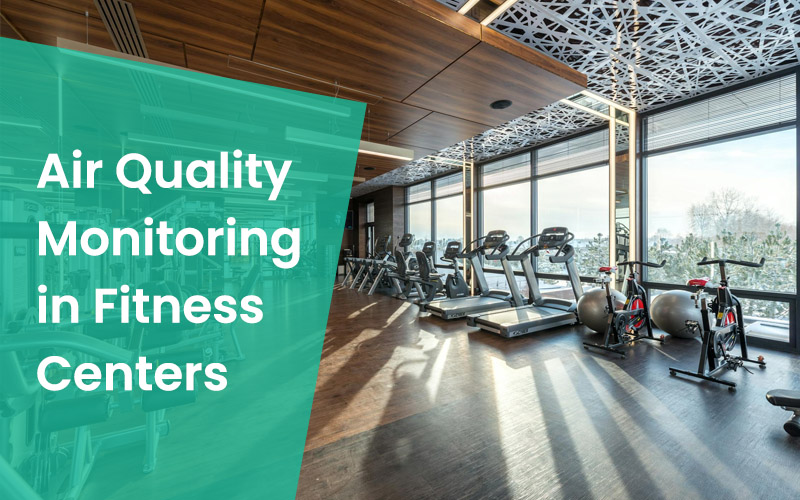
Air Quality Monitoring in Fitness Centers: Enhancing Comfort and Performance

Indoor physical activities such as gym workouts are increasingly popular as people strive to maintain a healthy lifestyle. However, the quality of air in fitness centers plays a significant role in the comfort, performance, and overall well-being of individuals. Poor air quality can lead to discomfort, health issues, and reduced motivation, while clean air can enhance performance and ensure a safer workout environment. With the rise of technology, monitoring air quality in fitness centers has become easier, and devices like HibouAir offer a smart solution to ensure optimal air conditions.

Indoor vs. Outdoor Physical Activity

Physical activity can be categorized into two types: indoor and outdoor. While outdoor workouts provide fresh air and natural ventilation, indoor activities, such as those in fitness centers, are often confined to enclosed spaces where air circulation may be inadequate. In these indoor environments, poor air quality can become an issue, especially when ventilation systems fail to effectively remove pollutants like carbon dioxide (CO2), particulate matter (PM), volatile organic compounds (VOCs), and humidity, among others.

How Clean Air Enhances Physical Activity Comfort

Clean air plays a critical role in the comfort and effectiveness of physical activity. Here are several ways in which improved air quality can benefit fitness center patrons:

  • Better Oxygen Intake: Proper oxygen levels in the air support efficient respiration and muscle performance. High CO2 levels, often caused by poor ventilation, can cause shortness of breath, fatigue, and lower workout endurance.
  • Reduced Irritation and Discomfort: Poor air quality, with high levels of PM 2.5, VOCs, and other pollutants, can cause respiratory irritation, headaches, and discomfort, reducing the overall exercise experience.
  • Lower Risk of Infections: Gyms can be a breeding ground for viruses, bacteria, and mold, especially in poorly ventilated areas. Clean air reduces the transmission of airborne diseases and allergens, providing a healthier workout environment.
  • Enhanced Performance: Optimal air quality leads to higher energy levels and mental clarity, which allows gym-goers to maintain better focus and achieve better workout results.

Factors Contributing to Poor Air Quality in Fitness Centers

Several factors contribute to poor air quality in gyms, some of which may not be immediately noticeable:

  • High Occupancy: Fitness centers are often packed with people, especially during peak hours. High occupancy increases CO2 levels, making the environment stuffy and uncomfortable.
  • Dust and Particulates: The constant movement of people, along with dust particles from floors and equipment, can lead to an increase in PM 1.0, PM 2.5, and PM 10 levels, which can trigger allergies and breathing problems.
  • VOC Emissions: Gyms often use cleaning agents, sanitizers, and equipment that emit VOCs. These compounds can accumulate and cause eye, nose, and throat irritation, headaches, and fatigue.
  • Humidity and Temperature Imbalance: With excessive sweating and moisture buildup from workout equipment, gyms can suffer from high humidity levels, which create an uncomfortable and unhealthy environment.
  • Poor Ventilation: Fitness centers without a proper ventilation system or HVAC (Heating, Ventilation, and Air Conditioning) units can struggle to maintain healthy air quality, allowing pollutants to build up.

Improving Air Quality in Fitness Centers

To combat the negative effects of poor air quality in fitness centers, it’s essential to adopt air quality monitoring solutions that provide real-time air quality data and actionable insights. This is where HibouAir’s advanced multi-sensor air quality monitor comes into play.

HibouAir: A Comprehensive Solution

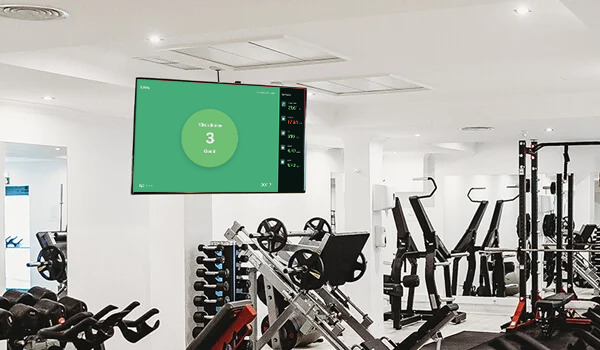
HibouAir is an advanced air quality monitoring device that continuously monitors important environmental parameters in gyms, including CO2, PM 1.0, PM 2.5, PM 10, ambient pressure, ambient temperature, relative humidity, ambient light, noise, and VOCs. The device is designed for indoor environments like fitness centers and offers both cloud-based and desktop solutions, which requires no gateway or cloud connectivity.

Here’s how HibouAir can improve air quality in fitness centers:

Real-Time Data Monitoring: HibouAir tracks real-time air quality and sends instant alerts when parameters such as CO2 or particulate matter reach unsafe levels. This allows gym managers to take immediate actions to improve ventilation or reduce occupancy.

Historical Data Analysis: With its cloud dashboard, HibouAir provides smart analytics with various charts to analyze air quality trends over time. Gym operators can track patterns and implement long-term solutions to optimize air quality.

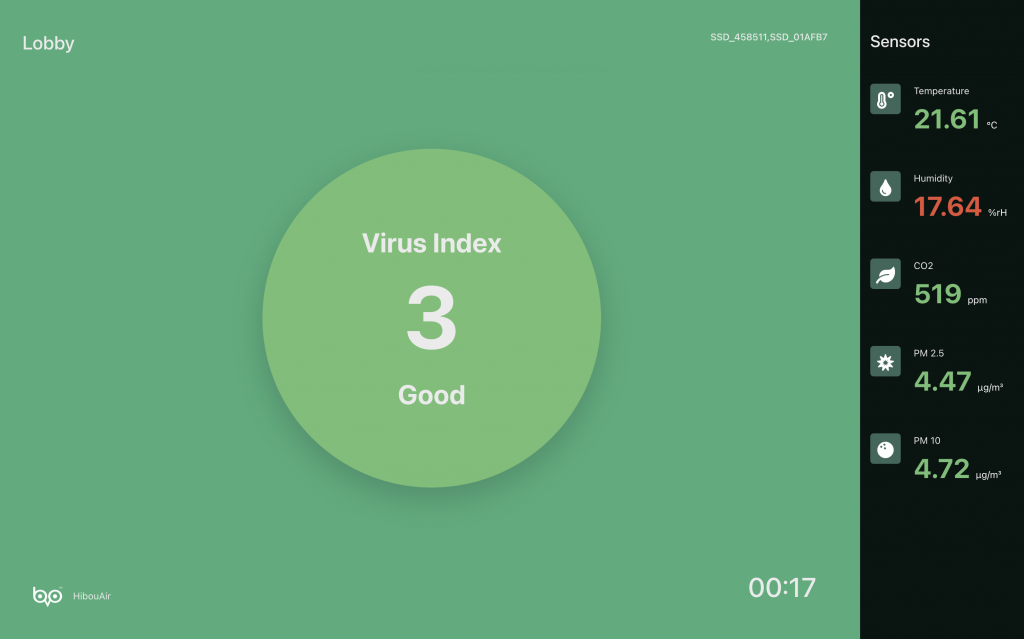
Virus Index: HibouAir features a real-time Virus Index that assesses the risk of virus transmission in the indoor environment. This is particularly useful in fitness centers, where the close proximity of individuals can increase the likelihood of airborne transmission.

Offline Desktop Solution: For fitness centers that prefer not to rely on cloud connectivity, HibouAir offers an offline desktop solution. This plug-and-play option allows gym owners to monitor air quality locally without needing a cloud connection, providing flexibility in managing their air quality data.

Actionable Suggestions: HibouAir offers real-time suggestions on how to improve air quality, such as increasing ventilation or reducing occupancy during peak hours. This helps gym operators maintain a healthier environment for their patrons.

How Fitness Centers Can Take Action

Install HibouAir Monitors: Fitness centers can install HibouAir devices in key areas such as workout zones, locker rooms, and group exercise rooms. By continuously monitoring air quality, gyms can ensure optimal conditions are maintained throughout the day.

Optimize HVAC Systems: With insights from HibouAir, gym operators can make adjustments to their HVAC systems to improve airflow, reduce humidity, and filter out harmful particulates.

Regular Ventilation Checks: Ensure that ventilation systems are working correctly and that air is being circulated efficiently to avoid CO2 buildup during high occupancy periods.

Limit VOCs: Minimize the use of harsh cleaning chemicals and consider eco-friendly alternatives to reduce VOC emissions in the facility.

Encourage Off-Peak Workouts: Use the data from HibouAir to encourage gym-goers to visit during less crowded hours when air quality is naturally better due to fewer people in the space.

Air quality is a critical yet often overlooked factor in fitness centers. Poor air quality can hinder workout performance, cause discomfort, and even pose health risks. By using advanced air quality monitoring devices like HibouAir, gyms can ensure that their indoor environment remains safe, comfortable, and conducive to physical activity. Whether through the cloud-based solution or the offline desktop option, HibouAir provides real-time data, historical insights, and actionable suggestions to help fitness centers create a healthier workout environment.

Share this post on :

Why Mold in Classrooms Matters: Key Actions for Better Air Quality and Student Well-being

In educational institutions, mold can be more than just an ugly sight—it can have serious implications for both student health and academic performance. Mold thrives in environments with high humidity and poor ventilation, making it a common issue in classrooms and other indoor spaces. Understanding the relationship between mold and indoor air quality is essential for maintaining a healthy and conducive learning environment.

The Relationship Between Mold and Indoor Air Quality

Mold is a type of fungus that reproduces through spores, which are released into the air and can be inhaled. The growth of mold is often linked to poor indoor air quality. Mold thrives in environments with high moisture levels, making classrooms, particularly those with inadequate ventilation, prime targets. When mold spores become airborne, they can lead to a decrease in indoor air quality, which can result in health problems for students and staff.

How Mold Grows in Classrooms

Several factors contribute to mold growth in classrooms:

High Humidity: Mold spores require moisture to grow. In classrooms where humidity levels are high, either due to environmental conditions or water leaks, mold can proliferate.

Water Damage: Leaks from broken pipes, roofs, or spills create wet conditions that mold spores need to germinate. If not addressed promptly, these water-damaged areas can become breeding grounds for mold.

Poor Ventilation: Inadequate ventilation traps moisture and heat in indoor spaces. This stagnation creates a perfect environment for mold to thrive.

Building Materials: Mold can grow on a variety of building materials, including wood, drywall, and carpeting. Once mold spores settle on these materials, they can quickly spread if moisture is present.

Common Symptoms of Mold in Classrooms

Mold in classrooms can present several noticeable signs, including:

  • Visible Mold Growth: Mold often appears as dark spots or patches on walls, ceilings, or floors. It may also be found on furniture or other surfaces within the classroom.
  • Musty Odor: A persistent, damp smell is a common indicator of mold. This odor is often most noticeable in areas with poor ventilation or high humidity.
  • Health Symptoms: Mold exposure can lead to a range of health issues, particularly for students with pre-existing conditions. Symptoms include coughing, sneezing, watery eyes, and skin irritation. More severe reactions may involve respiratory problems such as asthma attacks or chronic sinusitis.

How Mold Affects Students Health and Education

The presence of mold in classrooms can have profound effects on students:

Health Implications: Mold exposure can aggravate asthma and allergy symptoms. Students with mold sensitivity may experience increased frequency of respiratory issues, which can lead to frequent absences from school.

Academic Performance: Students suffering from mold-related health issues may find it challenging to focus on their studies, leading to decreased academic performance. Chronic health problems can affect concentration and cognitive abilities, further impacting their learning outcomes.

Overall Well-being: Prolonged exposure to mold can affect students’ overall well-being, leading to fatigue, headaches, and general discomfort. This can reduce their ability to participate actively in class activities and contribute to a negative learning experience.

Steps to Take to Address Mold Issues

To mitigate the risks associated with mold in educational settings, consider the following steps:

Monitor Air Quality: One effective way to maintain a healthy indoor environment is by using air quality monitoring devices. While there are various solutions available, such as the HibouAir, which provides real-time air quality data on environmental parameters, the key is to monitor air quality consistently. An air quality monitor can help identify issues related to humidity, temperature, and other factors that contribute to mold growth.The HibouAir, for instance, offers real-time data on air quality and historical trends, which can be crucial in identifying and addressing potential mold issues before they become significant problems. By keeping track of these parameters, schools can take preventative measures to ensure a healthier environment for students.

Regular Inspections: Conduct regular inspections of classrooms and other indoor spaces to detect any signs of moisture or mold early. This proactive approach can help prevent mold from becoming a larger problem.

Improve Ventilation: Ensure that classrooms are well-ventilated to reduce humidity levels. Proper ventilation helps to remove excess moisture from the air, which can prevent mold growth. Installing air purifiers and dehumidifiers can also help maintain optimal indoor air quality.

Address Water Damage: Repair any leaks or sources of water damage as soon as they are identified. Prompt repairs can prevent the conditions that allow mold to thrive.

Clean and Disinfect: Regularly clean and disinfect surfaces in classrooms to remove mold spores and prevent their spread. Use non-toxic cleaning solutions that are effective against mold and safe for use around students.

Mold in classrooms is a serious issue that affects both the health and academic performance of students. By understanding the connection between mold and indoor air quality and taking proactive steps to address and prevent mold growth, educational institutions can create safer and healthier learning environments. Regular inspections, improved ventilation, prompt repairs, and effective cleaning practices are essential in managing mold issues. Furthermore, monitoring indoor air quality can play a crucial role in preventing mold-related problems and ensuring the overall well-being of students.

Share this post on :

Contact Us

Call us or simply fill out the form below, and one of our representatives will get back to you as soon as possible.