The Future of HVAC: Powered by Real-Time Air Quality Intelligence

Modern buildings are no longer judged by their architecture alone — they are evaluated by how healthy, efficient, and adaptive they are. While traditional HVAC systems focus on temperature regulation, today’s buildings demand more. They require systems that respond to what truly defines indoor comfort and productivity: air quality.

The evolution toward air-quality-driven HVAC automation is reshaping facility management worldwide. With real-time environmental data guiding ventilation and filtration, buildings can now balance well-being, sustainability, and operational efficiency like never before.

Why Conventional HVAC Control Falls Short

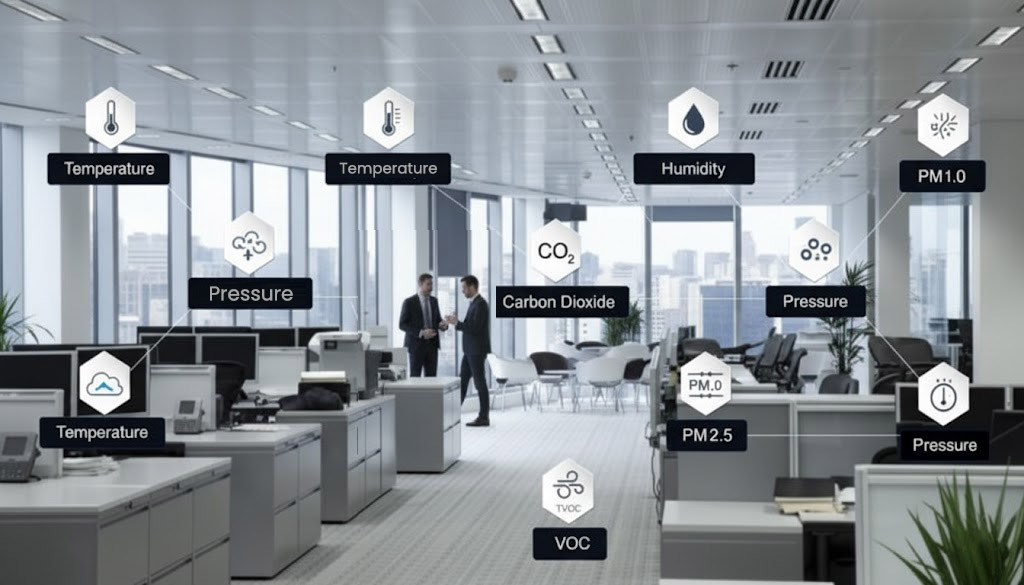
Most HVAC systems were designed to maintain temperature, not to manage the invisible but crucial elements of air quality such as CO2, particulate matter (PM1.0, PM2.5, PM10), humidity, and VOC levels. They typically follow static rules — switching on or off based on a thermostat reading or a timer — regardless of what’s actually happening in the air.

The result? Systems continue running when rooms are empty, wasting energy, or fail to respond when pollution levels rise, compromising occupant health. This reactive model leads to inefficient airflow, inconsistent comfort, and higher utility costs.

To build truly intelligent environments, HVAC systems must move beyond temperature data and respond dynamically to real-time air quality feedback.

Real-Time Data: The Key to Intelligent HVAC

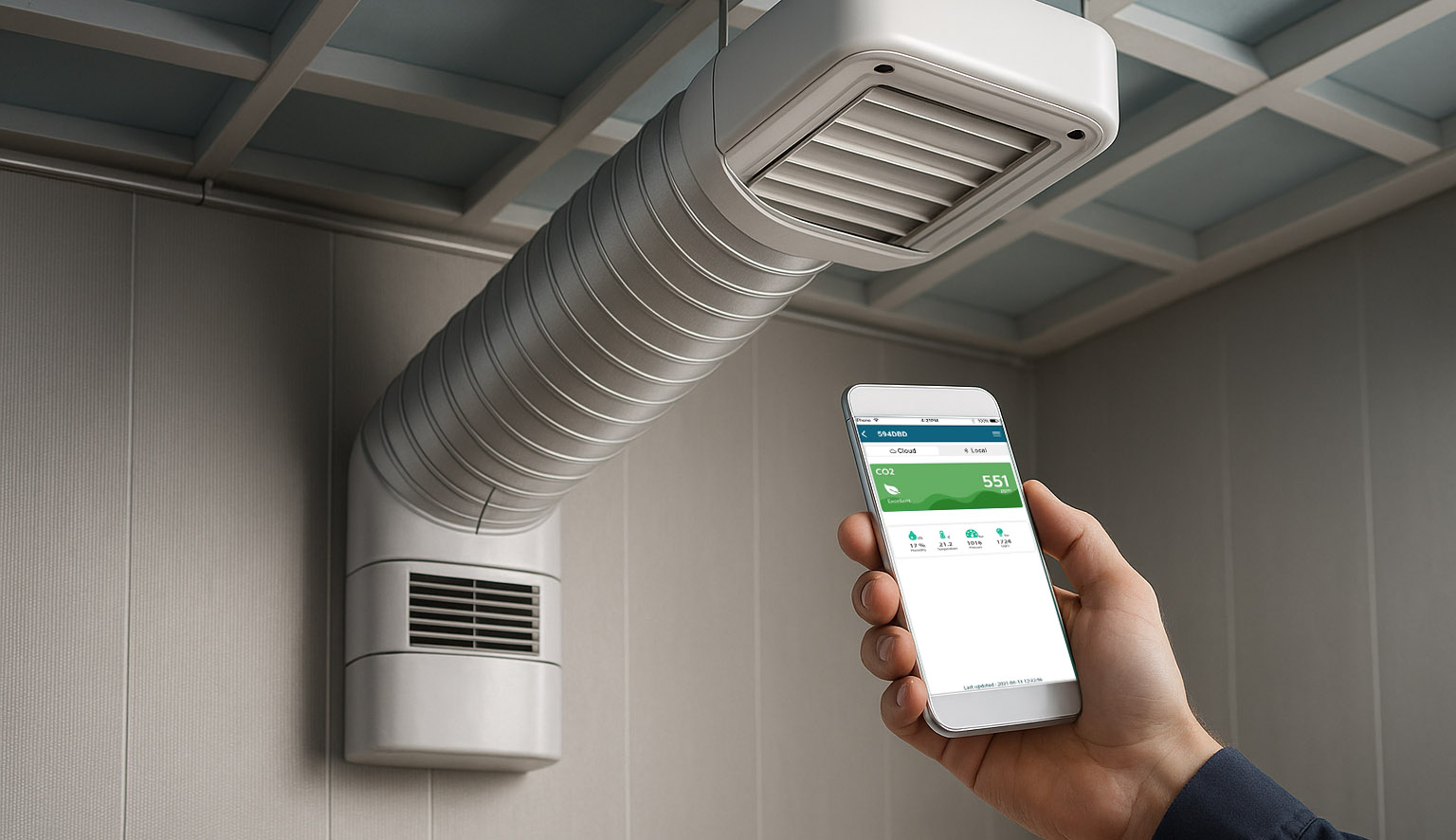
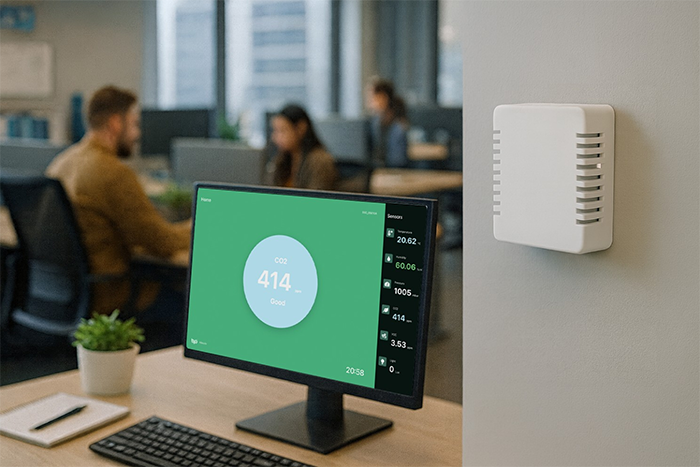
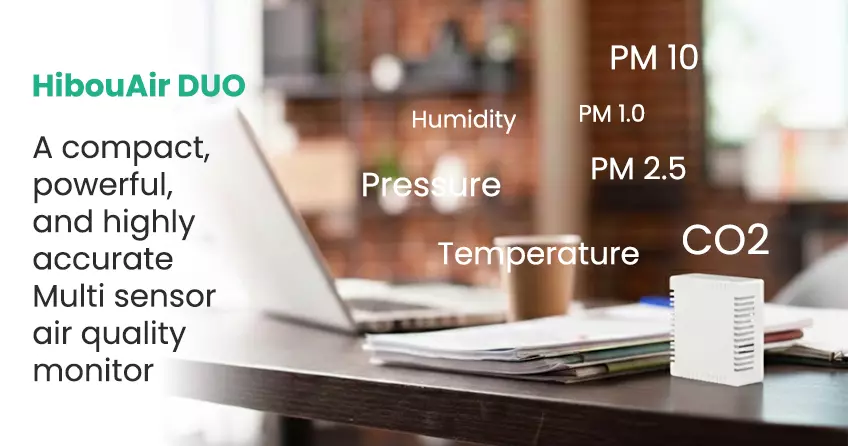
This is where HibouAir plays a vital role. With precision sensors that monitor CO₂, PM, humidity, temperature, and VOCs, HibouAir devices deliver real-time environmental intelligence directly to your HVAC infrastructure.

Instead of relying on manual adjustments, the system can automatically adapt to actual indoor conditions. For instance:

  • – When CO2 levels rise in a meeting room, ventilation increases automatically to bring in more fresh air.
  • – When PM2.5 concentrations climb due to outdoor pollution, the HVAC unit can limit external intake and enhance filtration.
  • – When occupancy decreases, airflow can scale down to save energy without compromising comfort.

This data-driven automation transforms HVAC systems from pre-programmed machines into responsive ecosystems that maintain balance between health and efficiency — a critical requirement for modern smart buildings.

You can explore how HibouAir devices collect this data in our air quality monitoring device lineup.

How HibouAir Integration Works

HibouAir devices provide accurate and continuous air quality readings that can be directly integrated into an HVAC control system. This seamless communication allows the HVAC to act in real time — increasing airflow, adjusting filters, or managing humidity based on live sensor input.

Whether installed as part of a Standalone Air Quality Monitoring Solution or within a networked building automation setup, HibouAir enables the environment itself to guide the system’s response.

This integration ensures that decisions about ventilation and air circulation are made by data, not by assumptions — reducing waste, improving occupant comfort, and optimizing long-term performance.

Smarter Buildings, Stronger ESG Performance

Beyond daily comfort, the move toward air-quality-based automation supports corporate sustainability and compliance goals. Environmental regulations and ESG (Environmental, Social, and Governance) frameworks now emphasize indoor air quality as a measurable part of a company’s environmental footprint.

By connecting HibouAir’s sensors to building control systems, facility managers can:

  • Track and log air quality metrics for ESG reporting.
  • Verify proactive responses to poor air conditions.
  • Demonstrate commitment to energy efficiency and employee well-being.

For companies preparing for upcoming regulations, understanding the link between IAQ and compliance is essential. Learn more in our article on Indoor Air Quality Compliance in 2025.

A Step Toward the Future of Building Intelligence

The future of HVAC lies not in running harder, but in running smarter. Systems equipped with HibouAir’s real-time data become self-optimizing — automatically finding the perfect balance between clean air and energy conservation.

From offices and schools to industrial environments, this shift marks a new standard in adaptive comfort technology — one where every breath informs a smarter decision.

Discover how HibouAir’s technology can enhance your HVAC strategy through our air quality monitoring solutions and experience the future of data-driven automation today.

Share this post on :

The Long-Term Benefits of Monitoring Air Quality: Insights for a Healthier, Smarter Environment

In today’s world, where we spend nearly 90% of our time indoors, understanding and improving air quality is no longer a luxury—it’s a necessity. While short-term air quality readings can help identify immediate issues, long-term air quality monitoring provides the data depth needed to uncover hidden trends, optimize building performance, and safeguard occupant health over time.

Why Long-Term Air Quality Monitoring Matters

Air quality can fluctuate daily due to factors such as outdoor pollution, ventilation cycles, building occupancy, cleaning products, and seasonal changes. A one-time measurement often paints an incomplete picture. Continuous or long-term monitoring allows organizations, facility managers, and homeowners to identify recurring issues and act before they escalate.

For instance, an office may notice that CO2 levels spike every afternoon—a sign of inadequate ventilation during peak occupancy. Without consistent data, such patterns remain invisible, leading to productivity loss and fatigue. Similarly, schools that track particulate matter (PM2.5 and PM10) throughout the year can detect how pollution from nearby traffic or construction impacts indoor learning environments.

Key Benefits of Long-Term Monitoring

Trend Analysis and Predictive Insights

Continuous data reveals long-term exposure patterns. By analyzing weeks or months of CO2, particulate matter, humidity, and temperature data, you can identify what times or conditions cause deterioration in air quality. Predictive analysis powered by historical data helps you anticipate and prevent issues—rather than simply react to them. Explore how historical insights enhance decision-making in this article.

Data-Driven Building Management

Facilities that monitor air quality over time can fine-tune their HVAC systems for efficiency. Real-time and historical CO2 data, for example, can be used to adjust ventilation rates dynamically, balancing comfort, energy use, and compliance. This continuous feedback loop supports smart-building strategies and ESG-driven sustainability goals.

Health and Productivity Improvements

Prolonged exposure to elevated CO2 or particulate matter impacts cognitive performance, focus, and general well-being. Long-term monitoring enables early detection of subtle yet harmful conditions, such as increased VOC levels from new furnishings or high humidity leading to mold formation. Addressing these issues improves comfort, reduces absenteeism, and supports a healthier workforce.

Compliance and Environmental Reporting

Long-term data records are essential for demonstrating compliance with air-quality standards (such as ASHRAE 62.1 or WHO guidelines) and for inclusion in sustainability or ESG reports. Reliable monitoring tools help businesses show their commitment to indoor environmental quality (IEQ) and occupant well-being. You can learn more about compliance strategies in this detailed post

Comparing Indoor and Outdoor Conditions

Seasonal outdoor pollution, wildfires, or nearby industrial activity can significantly influence indoor environments. By monitoring long-term indoor data alongside local outdoor readings, facility managers can make informed ventilation and filtration decisions. See also How Outdoor Air Quality Impacts Indoor Environments.

How Smart Monitoring Makes the Difference

Modern systems like HibouAir make long-term air quality tracking simple and scalable. Each HibouAir device measures critical environmental parameters—CO2, particulate matter (PM1.0, PM2.5, PM10), temperature, humidity, VOCs, and noise—and delivers data in real time through intuitive platforms.

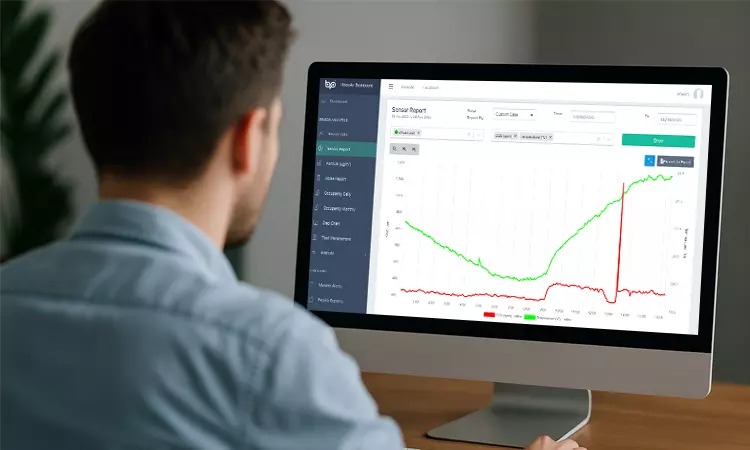
Using the HibouAir Cloud Dashboard, users can visualize trends, compare historical data, and set up alerts. For standalone users, the Desktop Solution offers local storage and analytics without requiring constant internet connectivity. Whether in offices, schools, museums, or industrial facilities, these insights empower decision-makers to maintain optimal air quality 24/7.

Real-World Example: A Year-Long Office Study

A medium-sized business installed continuous CO2 and particulate sensors throughout its office spaces. Over twelve months, data revealed consistent afternoon CO2 peaks exceeding 1,200 ppm, correlating with employee fatigue and complaints of “stuffy” air. By integrating the data into their HVAC control system, ventilation was increased automatically when thresholds were reached. The result? A 25% reduction in reported headaches and a measurable improvement in focus and energy levels.

Building a Healthier Future Through Data

Air quality is dynamic—it changes with time, usage, and behavior. Short snapshots can miss the story; long-term monitoring tells the full narrative. With reliable data, organizations can move from reacting to preventing, from assumptions to insights, and from discomfort to well-being.

If you want to explore modern solutions for real-time and long-term air quality management, visit HibouAir.com to learn more about available monitoring options.

Share this post on :

How to Improve Indoor Air Quality: Practical Steps for a Healthier Home and Workplace

Indoor air quality (IAQ) plays a vital role in our health, comfort, and productivity. The air we breathe indoors—whether at home, in offices, or in classrooms—can be up to five times more polluted than outdoor air due to accumulated carbon dioxide (CO2), volatile organic compounds (VOCs), particulate matter, and other pollutants. Improving IAQ starts with understanding what’s in the air and taking informed action based on that data.

Monitor Indoor Air Quality

The first step toward improvement is measuring the quality of air in your environment. Without data, it’s impossible to know what’s wrong—or if the changes you make are working.
Devices like the HibouAir air quality monitor provide continuous, real-time insights into key parameters such as CO2, particulate matter (PM1.0, PM2.5, PM10), temperature, humidity, VOCs, and even noise levels.

By visualizing this data through the HibouAir Cloud Dashboard or the HibouAir Desktop app, users can identify pollution sources and track improvements over time. Monitoring doesn’t just reveal problems—it empowers timely decisions like opening a window or servicing a ventilation system when air quality drops.

Change Air Filters Regularly

Dirty or clogged filters reduce the efficiency of HVAC systems and can circulate dust and allergens throughout the room. Regularly replacing air filters is one of the simplest and most effective ways to maintain clean indoor air.

By using an air quality monitor, you can actually see the impact of a clean filter. If CO2 and particulate matter levels remain elevated even after cleaning or replacing filters, it may indicate a deeper issue in the ventilation system that needs professional attention.

Ensure Proper Ventilation and Open Windows When Needed

Adequate ventilation is essential for maintaining fresh indoor air. Opening windows periodically allows fresh air to dilute indoor pollutants. However, it’s not always clear when ventilation is necessary—especially during colder months.

This is where monitoring helps again. A rise in CO2 levels on your HibouAir device signals that air exchange is needed. With real-time readings, you can ventilate only when it’s truly required, reducing unnecessary heat loss and saving energy.

Keep Your Home and Workspace Clean

Dust, pet dander, mold spores, and VOCs from cleaning agents or furniture can all degrade indoor air quality. Regular cleaning, vacuuming with HEPA filters, and choosing low-VOC products help minimize these sources.

VOC levels, which are monitored by HibouAir, can indicate when cleaning products, paints, or furnishings are releasing harmful chemicals. Over time, this data helps identify patterns and encourages healthier material choices.

Manage Humidity Levels

Maintaining optimal humidity (between 30–50%) helps prevent mold growth and reduces the survival rate of airborne viruses. Excess humidity can lead to condensation and microbial growth, while very dry air can irritate eyes, throat, and skin.
HibouAir’s built-in humidity sensor allows you to track and adjust humidity using dehumidifiers or humidifiers as needed, ensuring a comfortable and healthy environment year-round.

Limit Indoor Pollutant Sources

Cigarette smoke, candles, air fresheners, and cooking fumes are major contributors to poor IAQ. Simple changes like using range hoods, burning fewer scented candles, or switching to electric cooking can make a difference.
When combined with continuous air quality monitoring, these changes become measurable—you’ll know which activities are impacting your indoor environment the most.

Integrate Smart Air Quality Insights

For workplaces and larger facilities, integrating data from HibouAir into building management systems or cloud dashboards can optimize HVAC operation based on real-time air quality data. This helps maintain healthy conditions while improving energy efficiency and compliance with air quality standards.

The Key to Lasting Improvement: Measure, Understand, Act

Improving indoor air quality isn’t a one-time task—it’s an ongoing process. Just monitoring isn’t enough, but understanding what the data means and acting on it is what makes the real difference. HibouAir provides the insight, but the change happens when users respond—by improving ventilation, cleaning habits, or upgrading filters.

If you’re looking to take control of your indoor environment, start by learning what’s in your air.
Explore how HibouAir solutions can help you measure and improve your indoor air quality intelligently and effectively.

Share this post on :

5 Benefits of Air Quality Monitoring

Breathing clean air is something most of us take for granted. Yet, the quality of the air inside our homes, offices, and schools can directly affect how we feel, how productive we are, and even our long-term health. This is why air quality monitoring has become essential. With modern solutions like HibouAir, anyone can easily measure and understand the invisible factors that shape their indoor environment.

Do You Really Need to Monitor Air Quality?

Some people ask: “Is air quality monitoring really necessary?” The truth is, without data, you can’t know what you’re breathing. Air may look clean but still contain harmful levels of CO2, PM, or VOCs. Problems like poor ventilation, mold growth, or outdoor pollution leaking indoors often go unnoticed until they start affecting health.

Monitoring gives you visibility, control, and the ability to act before problems grow. In today’s world, where we spend almost 90% of our time indoors, the answer is clear—yes, air quality monitoring is necessary.

But what are the real benefits of monitoring air quality, and do you really need it? Let’s break it down.

1. Protecting Your Health

Indoor air can contain high levels of CO2, particulate matter (PM), volatile organic compounds (VOCs), and other pollutants that aren’t always visible. These pollutants can cause headaches, fatigue, respiratory issues, and in the long term, increase risks for more serious conditions.

With devices like the HibouAir Duo, you can track CO2, PM 1.0/2.5/10, VOCs, humidity, temperature, and even noise. By seeing this data in real time, you can make small changes—like opening a window or adjusting ventilation—that immediately improve your well-being.

2. Improving Productivity and Comfort

Ever noticed feeling drowsy in a meeting room or classroom? That’s often caused by high CO2 levels. Research shows that elevated CO2 directly impacts concentration, decision-making, and overall energy levels.

By using HibouAir’s standalone air quality monitoring devices, businesses and schools can maintain healthier spaces. The result? Better focus, fewer complaints of tiredness, and a more comfortable environment for everyone.

3. Ensuring Compliance and Transparency

Today, many organizations are expected to meet air quality and environmental standards. This is especially true for workplaces, schools, and public facilities. With HibouAir’s cloud monitoring solutions, facility managers can access real-time and historical air quality data.

This not only helps ensure compliance with standards but also provides transparency. Staff, students, or visitors can have confidence that the air they breathe is being monitored and maintained.

4. Predict Health Issues Due to Air Pollution

Air pollution isn’t always about immediate effects like coughing or tiredness. Long-term exposure to poor air quality can increase the risk of asthma, allergies, cardiovascular disease, and other chronic conditions. Monitoring air quality helps identify patterns and triggers before they become major health issues.

HibouAir devices record not just real-time data but also historical trends. This makes it possible to spot recurring pollution peaks—for example, when outdoor traffic affects indoor CO2 or PM levels. Having this information gives you the power to act early, whether it’s improving ventilation, scheduling HVAC use, or protecting vulnerable groups like children and the elderly.

5. Peace of Mind for Families and Communities

For families, especially those with children or elderly members, knowing the air at home is safe brings peace of mind. HibouAir’s plug-and-play setup means you don’t need technical expertise to get started. From measuring air quality at home to scaling up for large organizations, the solutions grow with your needs.

And because HibouAir supports both BLE and cloud connectivity, you can access your air quality data anytime—whether you’re sitting in your living room or managing a building remotely.

Air quality monitoring is no longer a luxury—it’s a necessity for health, productivity, compliance, early detection of pollution risks, and peace of mind. HibouAir makes it easy, whether you need a simple plug-and-play device or a full enterprise cloud solution.

By bringing invisible air data to light, HibouAir helps you create healthier, smarter, and more sustainable spaces.

Share this post on :

Why CO2 Monitoring Is Crucial and Where It Matters Most

Indoor air quality is a growing concern across every sector, and CO2 is one of the most reliable indicators of how healthy or unhealthy an environment truly is. Although we cannot see or smell it, rising CO2 levels can have immediate effects on how we feel, think, and perform. From workplaces and classrooms to healthcare facilities and homes, CO2 monitoring has become essential for protecting people and optimizing spaces.

This article highlights the key places where CO2 monitoring is most valuable, explains why it makes such a difference, and shows how HibouAir delivers dependable solutions tailored to these needs.

Environments Where CO2 Monitoring Is Essential

Offices and Corporate Workplaces

Modern office buildings are designed to be energy-efficient, but that often means less natural ventilation. As CO2 builds up, employees experience fatigue, headaches, and reduced concentration. Monitoring CO2 helps facility managers fine-tune ventilation strategies and maintain healthier workplaces. Explore how HibouAir supports office air quality improvements.

Schools, Colleges, and Universities

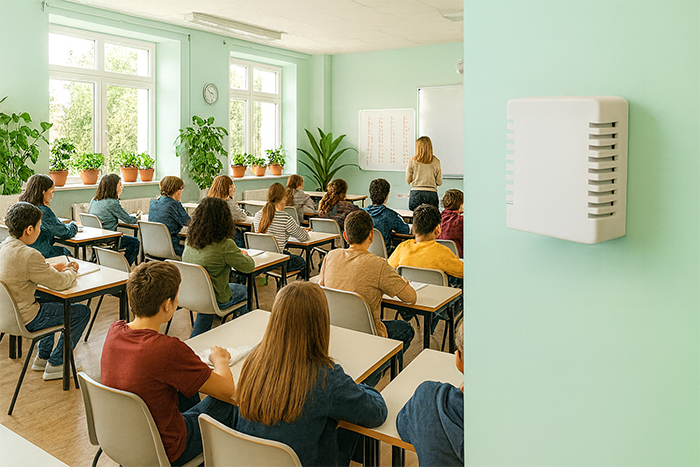
Learning environments require fresh air for students to stay alert and engaged. When CO2 levels climb, concentration drops and performance suffers. Installing monitors in classrooms, lecture halls, and libraries ensures that air circulation supports both wellbeing and academic success. Learn more about HibouAir in schools and educational settings.

Hospitals and Elderly Care Centers

Healthcare facilities demand the highest air quality standards. Patients recovering from illness, the elderly, and healthcare professionals all need stable conditions. Elevated CO2 can put added stress on patients and slow down recovery. Reliable monitoring offers peace of mind and aligns with healthcare IAQ requirements.

Article content

Hospitality and Dining Spaces

The comfort of hotel guests and restaurant visitors is directly linked to air quality. A pleasant atmosphere isn’t just about lighting and décor — it’s also about ensuring clean, well-ventilated air. Monitoring CO2 helps venues maintain both safety and comfort, as highlighted in our insights on restaurants and dining.

Retail, Shopping Malls, and Supermarkets

Large public areas with high foot traffic can see CO2 levels rise quickly, especially during peak hours. Monitoring in these spaces ensures that ventilation systems adjust in real time to protect both staff and shoppers. Read why mall air quality monitoring is important.

Gyms and Fitness Centers

Exercise accelerates breathing rates, and without proper ventilation, CO2 can accumulate rapidly. Monitoring helps gym operators maintain an environment that supports performance, recovery, and member satisfaction. Discover more about fitness centers and IAQ.

Industrial Sites and Warehouses

Factories, production lines, and warehouses not only house many people but also machinery that impacts air quality. CO2 monitoring provides an added layer of safety and helps companies stay compliant with workplace regulations. See details about monitoring in industrial facilities.

Homes and Residential Spaces

Our homes should be places of comfort and rest, but CO2 often spikes in bedrooms during the night or in home offices during long workdays. Monitoring ensures that ventilation strategies are effective and that the family is breathing healthier air. Find out how HibouAir can improve residential IAQ.

Why CO2 Monitoring Makes a Difference

The presence of CO2 directly affects how people feel and function. In learning environments, it influences comprehension and memory. In offices, it impacts productivity and decision-making. In hospitals and elderly care centers, it plays a role in patient safety and recovery outcomes. Beyond human wellbeing, CO2 data also helps optimize ventilation systems, lowering energy consumption and supporting sustainability efforts. By acting on this data, organizations not only improve comfort but also reduce costs and align with environmental goals.

Choosing the Right CO2 Monitor

When selecting a CO2 monitor, it’s important to go beyond just the basics. Accuracy is critical, but the ability to measure multiple parameters such as particulate matter, humidity, VOCs, and noise makes the data more valuable. Access to both real-time and historical data ensures that decisions can be made quickly while also tracking long-term patterns. Connectivity plays a major role too: whether through BLE, Wi-Fi, or cellular, the monitor must integrate seamlessly with HVAC systems and digital dashboards. Lastly, scalability is essential — the monitor should work just as effectively in a single room as it does across large campuses or multi-site operations.

How HibouAir Meets These Demands

HibouAir addresses these challenges with a full suite of advanced solutions. The HibouAir Duo combines CO2 and particulate matter monitoring with additional parameters like temperature, humidity, VOCs, and noise, all in one compact unit.

For quick and reliable installations, the standalone version offers a simple plug-and-play setup, while enterprises can scale monitoring across sites with cloud-based platforms or the lighter cloud lite solution. Data can be accessed in real time and analyzed historically via desktop applications and mobile devices, making it accessible from anywhere. With multiple connectivity options and seamless integration into building systems, HibouAir ensures that organizations gain not only data but also actionable insights to improve health, safety, and efficiency.

Share this post on :

Real-World Air Quality Challenges and How HibouAir Solves Them

For today’s facility managers, the invisible often becomes the most urgent challenge. Indoor air quality (IAQ) is one of those challenges: it affects not only compliance reports but also the health, focus, and productivity of everyone inside a building. Poor IAQ can quietly undermine comfort and efficiency, yet many managers still lack the tools to see what’s really happening.

HibouAir changes that by making air quality measurable, transparent, and actionable. Below are four scenarios that illustrate how HibouAir helps facility managers take control.

Case 1: Meeting Rooms That Drain Productivity

Problem:
A corporate office noticed recurring complaints during long meetings — employees felt sluggish, and concentration levels dropped quickly. Ventilation schedules were already optimized for the whole building, but something wasn’t right.

Solution with HibouAir:
When the facility manager installed the HibouAir Duo, which measures CO₂, particulate matter, VOCs, humidity, temperature, and noise, the data revealed that CO₂ levels in closed meeting rooms often rose well above 1000 ppm.

Impact:
Armed with this insight, the manager fine-tuned ventilation to target only the spaces where air quality degraded fastest. Employees noticed sharper focus and fewer headaches during meetings, while the company saved energy by avoiding unnecessary whole-building ventilation.

Case 2: Making Compliance and ESG Audits Easier

Problem:
Managing several office sites, a facility team struggled with ESG reporting. Collecting and consolidating air quality data across locations was time-consuming, and the process lacked transparency for auditors.

Solution with HibouAir:
By moving to the HibouAir Cloud Monitoring Solution, the manager unified all data into one centralized dashboard. Real-time and historical records were now automatically logged and ready for reporting.

Impact:
The audit process became faster, smoother, and more credible. Executives gained confidence that compliance with ASHRAE and WHO indoor air standards was being met across all sites. Auditors, meanwhile, had immediate access to transparent and verifiable reports.

More on standards: How HibouAir Supports ASHRAE Indoor Air Quality Standards.

Case 3: Linking Air Quality to Workplace Wellness

Problem:
Employee surveys in one corporate office revealed a common concern: fatigue and discomfort, especially in the afternoons. Productivity seemed to decline, but there was no clear evidence connecting this to air quality.

Solution with HibouAir:
The manager deployed Standalone HibouAir Devices across open office areas. The data showed spikes in PM2.5 and VOC levels after lunch, partly due to increased occupancy and nearby construction dust.

Impact:
With accurate monitoring, the facility team introduced targeted cleaning schedules and improved filtration at peak times. Employees immediately experienced fresher air and were able to see IAQ trends themselves through the HibouAir mobile app. This transparency improved trust, while productivity gradually increased.

Explore more: Why Indoor Air Quality is Important in the Workplace.

Case 4: Air Quality in Classrooms and Student Performance

Problem:
At a large school, teachers observed students becoming tired in afternoon classes. They often described the air as “stuffy,” but without data, the administration couldn’t justify changes to ventilation systems.

Solution with HibouAir:
The school installed HibouAir CO₂ and PM monitors across classrooms. Within weeks, the data revealed that CO₂ frequently rose above 1400 ppm during lessons, reducing attentiveness and focus.

Impact:
With this evidence, the school revised its ventilation routines and introduced air purifiers in high-occupancy areas. Teachers reported more engaged classrooms, while administrators could justify investments in better ventilation with hard data.

Learn more: Improve Air Quality in Schools, Colleges, and High Schools with CO2 Sensors.

The HibouAir Advantage

What unites these stories is a simple truth: you cannot manage what you cannot measure. HibouAir provides facility managers with the clarity they need, whether through a standalone plug-and-play sensor, the versatile HibouAir Duo, or a scalable cloud solution.

With real-time and historical insights into CO2, PM, VOC, temperature, humidity, and noise, HibouAir transforms invisible risks into actionable data. Managers save energy, improve compliance, and most importantly, create healthier spaces where people can thrive.

Share this post on :

How Real-Time Air Quality Data Makes HVAC Systems Smarter

Modern buildings are expected to do more than just provide shelter—they must deliver comfort, safety, and efficiency. At the center of this responsibility is the HVAC system. But without accurate insights into indoor air conditions, HVAC systems often operate inefficiently, wasting energy and compromising well-being.

This is where air quality data from HibouAir makes all the difference.

Turning HVAC Systems Into Intelligent Systems

Traditional HVAC controls are usually based on temperature or fixed schedules. While this offers a basic level of comfort, it overlooks critical factors such as:

  • CO₂ concentration, a clear signal of occupancy and ventilation needs
  • Particulate matter (PM), an indicator of harmful pollutants and dust
  • Humidity and VOCs, key to preventing mold and ensuring healthy environments

By combining these metrics with HVAC operations, buildings can respond dynamically—ventilating when needed and conserving energy when conditions are already optimal.

Reducing Costs While Improving Indoor Health

Energy costs are one of the biggest challenges in facility management. Over-ventilation wastes energy, while under-ventilation compromises health and productivity. With real-time monitoring from HibouAir standalone devices and cloud platforms, HVAC systems can achieve the right balance—ensuring healthier air while cutting unnecessary energy use.

Smarter Maintenance with Predictive Insights

Air quality data doesn’t just improve daily operations—it also supports predictive maintenance. For example, consistently high levels of PM can indicate filters are clogging faster than expected. HibouAir data helps facility teams act at the right time, extending equipment lifespan and reducing downtime.

Designed for Integration and Flexibility

HibouAir solutions are built to work seamlessly within building ecosystems. Our devices already integrate with platforms like Cisco Spaces, Home Assistant, reelyActive, IndoorCare, Grafana, ThingsBoard, and Node-RED. This ensures building managers and developers can connect HibouAir directly into their existing systems.

For HVAC developers, HibouAir’s clear documentation and APIs make integration straightforward. Whether you’re building a new system or enhancing an existing one, HibouAir provides reliable, real-time data to power smart decisions.

Future-Ready Buildings with HibouAir

The future of indoor environments depends on smarter systems that adapt to real conditions. By combining HVAC technology with HibouAir monitoring, buildings become more sustainable, compliant, and healthier for everyone inside.

Discover how HibouAir can transform your HVAC system into an intelligent engine for well-being. Explore our air quality monitoring solutions today.

Share this post on :

The Role of CO2 Monitoring in Modern Workplace Safety Programs

Ensuring healthy indoor air quality has become a core part of workplace safety, and carbon dioxide (CO2) monitoring plays a critical role in this effort. CO2 is a colorless, odorless gas that builds up naturally in occupied indoor spaces due to human exhalation and other sources. High CO2 levels are not usually directly toxic at the concentrations found in offices, but they serve as an important indicator of ventilation effectiveness and overall indoor air quality. Inadequate ventilation can lead to a stuffy, uncomfortable environment and even affect employees’ well-being and productivity.

Why Monitor CO2 in the Workplace?

Monitoring CO2 provides a quick way to gauge if a workspace is getting enough fresh air. Since people constantly exhale CO2, indoor levels tend to rise in crowded or poorly ventilated areas. Outdoor air is roughly 400 ppm (parts per million) CO2, but indoor concentrations can range from a few hundred ppm up to over 1,000 ppm in occupied rooms with limited ventilation. The key factors are the number of people, the time spent in the space, and the amount of fresh air being supplied. Measuring CO2 is an indirect ventilation check – if CO2 is accumulating, it suggests the space isn’t getting enough outside air for the number of occupants.

Safe CO2 Levels and Official Guidelines

Workplace safety organizations and building standards provide guidance on acceptable indoor CO2 concentrations. Here are key benchmarks from renowned authorities:

OSHA Permissible Exposure Limit (PEL): OSHA (Occupational Safety and Health Administration) primarily treats CO2 as an asphyxiant gas hazard at very high levels. OSHA’s occupational exposure limit for CO2 is 5,000 ppm averaged over an 8-hour workday. This is a safety threshold meant to prevent acute CO2 toxicity in industrial settings – levels this high are uncommon in normal offices. (For reference, some guidelines also note a short-term limit around 30,000 ppm for 15 minutes, and concentrations ~40,000 ppm are immediately dangerous to life and health.) While 5,000 ppm is the legal limit, best practice is to keep indoor CO2 far below this ceiling in everyday workplaces for comfort and wellness.

ASHRAE Ventilation Standards: Rather than a strict CO2 limit, ASHRAE (American Society of Heating, Refrigerating and Air-Conditioning Engineers) sets ventilation rate standards to ensure adequate fresh air per person. For example, ASHRAE Standard 62.1 recommends around 15–20 cubic feet per minute of outdoor air per person in offices and classrooms, which generally keeps indoor CO2 below about 1,000 ppm for most spaces. 1,000 ppm has long been used as a rule-of-thumb comfort target for CO2. While ASHRAE does not explicitly require staying under 1000 ppm in its standards, maintaining roughly 600–1,000 ppm indicates that ventilation is likely sufficient for occupant comfort. In fact, ventilation rates that keep CO2 under 1000 ppm tend to create indoor conditions acceptable to most people.

WHO and Public Health Guidance: In the context of infection control (e.g. COVID-19), health authorities emphasize ventilation. The World Health Organization (WHO) recommends providing at least 10 liters/second of fresh air per person in offices (roughly aligning with ASHRAE’s rates) to reduce respiratory aerosol risks. Since measuring airflow directly can be technical, experts often use CO2 as a proxy. The UK’s SAGE group and other experts advise keeping CO2 below 1000 ppm in general indoor spaces, and below ~800 ppm in higher-risk, high-occupancy settings like gyms or choir rooms. If indoor CO2 ever reaches 1500 ppm or more, it’s considered a red flag indicating very poor ventilation that should be addressed immediately.

CDC Recommendations: The U.S. CDC has recently issued practical ventilation guidelines using CO2 monitors. “A portable CO2 monitor can help determine how stale or fresh the air is. Readings above 800 ppm suggest you may need to bring more fresh air into the space,” according to the CDC. In other words, ~800 ppm CO2 is a benchmark for good ventilation in many scenarios. The CDC advises establishing a baseline CO2 level for each room under optimal ventilation, and if readings exceed about 110% of that baseline, there may be an HVAC issue or ventilation reduction that needs correction. This approach encourages proactive monitoring to ensure ventilation systems keep performing well over time.

By considering these guidelines together, many organizations choose a tiered approach to CO2 levels in workplaces:

  • Optimal: 600–800 ppm (excellent ventilation, akin to outdoor-fresh air in the room)
  • Acceptable: 800–1000 ppm (generally adequate ventilation for most situations)
  • Poor: 1000–1500 ppm (needs improvement – likely causing stuffiness and affecting comfort)
  • Action Required: >1500 ppm (inadequate ventilation – take immediate steps to increase fresh air).

Effects of Elevated CO2 on Health and Performance

High indoor CO2 levels affect comfort, focus, and overall air quality. Research shows that even moderate levels around 1000 ppm can impair decision-making and concentration, while levels above 1500–2000 ppm often cause drowsiness, headaches, and fatigue. Prolonged exposure to several thousand ppm may lead to dizziness or nausea, and extremely high levels pose serious health risks. More commonly, elevated CO2 signals poor ventilation, which allows other pollutants to build up and results in complaints of stuffy, uncomfortable air. Keeping CO2 low ensures employees stay alert, productive, and healthier.

Best Practices for Managing Indoor CO2

Maintaining safe CO2 levels starts with proper ventilation—ensuring HVAC systems deliver enough fresh air and are regularly maintained. Where possible, natural ventilation or portable air cleaners can also help. Continuous CO2 monitoring provides real-time insight into air quality, allowing facilities to spot problem areas and act quickly. Setting clear thresholds, such as alerts when levels exceed 1000 ppm, ensures issues are addressed before they escalate. Using data to adjust ventilation, manage occupancy, and educate staff about CO2 monitoring fosters a healthier environment. Ideally, CO2 should remain below 800–1000 ppm to keep workplaces fresh, safe, and comfortable.

CO2 Monitoring Solutions: Devices Like HibouAir

Technology has made it easier than ever to continuously monitor indoor air quality. There are now plug-and-play CO2 monitoring devices that can be deployed in workplaces without complex installation. For example, HibouAir is an indoor air quality monitor that provides real-time measurements of CO2 along with other environmental parameters. HibouAir’s multi-sensor design tracks carbon dioxide levels, temperature, humidity, ambient light, atmospheric pressure, and volatile organic compounds (VOCs) to give a complete snapshot of your indoor environment.

Devices like this are compact and wireless, connecting via Bluetooth or Wi-Fi for easy data access. With continuous monitoring, facility managers can set up alerts when CO2 approaches set thresholds, and view trends over hours or days to identify ventilation issues. For instance, if CO2 steadily rises every afternoon in a certain area, you’ll spot it in the data and can investigate (perhaps an air damper that isn’t opening or an overcrowded meeting area). By keeping CO2 levels in check, organizations can optimize the indoor space for productivity, comfort, and well-being. In other words, a good monitor not only warns of potential safety issues but also empowers you to fine-tune the environment for maximum occupant comfort and efficiency.

CO2 monitoring has become an essential component of modern workplace safety and wellness programs. It provides a simple, objective measure of whether your indoor spaces are well-ventilated and healthy. By adhering to guidelines from OSHA, ASHRAE, WHO and others, organizations can maintain CO2 at levels that ensure worker safety and comfort – typically keeping concentrations under about 1000 ppm, with 600–800 ppm as a gold standard for optimal ventilation. Regular monitoring with reliable devices helps catch any ventilation issues early, allowing facility managers to address them before they impact employees. The result is a workplace that not only meets safety requirements but also supports employee alertness, productivity, and overall well-being. In short, CO2 monitors are valuable tools for creating healthier, safer work environments, and implementing them alongside good ventilation practices is a smart investment in your organization’s most important asset – its people.

Sources:

Share this post on :

Why Smart Businesses Invest in Air Quality Monitors to Maximize Efficiency and Growth

In today’s competitive world, leading businesses recognize that a healthy, productive workplace isn’t just a perk—it’s a strategic advantage. Investing in an advanced air quality monitor like HibouAir can not only safeguard employee well-being but also enhance organizational efficiency, reduce absenteeism, and support long-term revenue growth.

Enhanced Employee Wellness and Productivity

Poor indoor air quality leads to headaches, fatigue, respiratory issues, and reduced cognitive performance—symptoms that collectively impact productivity. By consistently monitoring factors like CO2, VOCs, temperature, humidity, and particulate matter, HibouAir enables organizations to proactively maintain a healthier indoor environment.

Providing cleaner air promotes clearer thinking and fewer sick days, allowing teams to stay engaged and focused—driving productivity upward.

Smarter Energy Management and Cost Savings

Over-ventilating a space wastes energy, while under-ventilation degrades air quality. HibouAir’s Cloud Solution Lite enables businesses to access both real-time and historical air quality data via dashboards, set alerts, and export reports.

Such insight enables facility managers to fine-tune HVAC systems intelligently—maintaining optimal air quality while lowering energy consumption and costs.

Flexible Deployment Across Business Environments

Whether implemented room-by-room via Desktop solutions or scaled across offices via Cloud Enterprise solutions , HibouAir devices offer flexible deployment paths aligned with an organization’s needs.

The HibouAir DUO combines CO2 and particulate sensors in one compact device, reducing hardware clutter and simplifying installation and maintenance.

Actionable Insights via Smart Dashboards

Beyond measuring air quality, HibouAir’s cloud dashboards make data actionable. Analytics include real-time alerts, virus index, AI insight, device fleet management, trend reports, and customizable exports—making it easy to spot trends and respond quickly.

These insights equip managers to make informed decisions—whether planning routines, optimizing space usage, or justifying operational investments.

Integration with IoT Ecosystems and Future-Proofing Capabilities

HibouAir’s open architecture supports seamless integration with popular IoT platforms like Grafana,Home Assistant, Cisco Spaces, ThingsBoard, Node-RED, and more. This means air quality data can be incorporated into broader building management systems, smart office dashboards, or performance analytics.

Businesses adopting HibouAir today build an infrastructure ready for tomorrow’s automation and analytics, enhancing scalability and longevity.

A Direct Impact on Revenue

Quality air isn’t just about health—it’s a strategic business advantage. Research shows that enhancing indoor air quality can reduce absenteeism by up to 44%, leading to annual savings like $85,000 in a single office setting. Better air translates to improved cognitive performance: studies link elevated CO2 levels (550 to 945 ppm) with a significant 15% drop in cognitive scores, and higher concentrations (up to 1400 ppm) can result in a dramatic 50% decline. The result? Employees think more clearly, stay healthier, and maintain focus—leading to noticeable productivity gains.

But the benefits go deeper. Healthy air also boosts employee morale and retention, supports a stronger company image, and helps create environments that are appealing to both staff and clients. When businesses optimize air quality with tools like HibouAir, they find themselves minimizing downtime, lowering healthcare costs, and enhancing workforce efficiency—all of which contribute to substantial revenue improvement.

HibouAir is far more than an air quality monitor—it’s a strategic asset that helps businesses to create healthier, more efficient, and more profitable environments. By delivering cleaner air and real-time insights, HibouAir supports improved workplace wellness and heightened productivity. Its advanced dashboards and seamless alerts enable smarter operational decisions that reduce energy waste. Whether deployed in a single office or across a global enterprise, HibouAir’s scalable, integration-friendly design positions it as a forward-thinking choice for modern organizations.

Share this post on :

Privacy-Centric Occupancy Monitoring with HibouAir

In today’s workplaces, schools, and public spaces, building managers are under constant pressure to optimize comfort, safety, and energy efficiency. One of the biggest challenges is understanding how spaces are being used. Traditional occupancy monitoring solutions often rely on cameras or motion sensors, raising concerns about privacy and surveillance.

Why CO2 is a Reliable Indicator of Occupancy

Every time we exhale, we release carbon dioxide (CO2). In enclosed environments, CO2 levels rise proportionally with the number of people in the room. By monitoring changes in CO2 concentration, it becomes possible to estimate occupancy without tracking individuals or compromising their privacy.

This approach eliminates the need for cameras or intrusive technologies, making it an ideal solution for workplaces, classrooms, restaurants, and shared public spaces where trust and privacy matter.

HibouAir: More Than Just an Air Quality Monitor

HibouAir is a standalone, plug-and-play indoor air quality monitoring device. Beyond its core role in tracking CO2, temperature, humidity, noise, and particulate matter, HibouAir doubles as a privacy-centric occupancy meter.

  • No cameras, no personal data collection
  • Accurate occupancy insights based on CO2 trends
  • Compact, discreet, and easy to install

The HibouAir Smart Analytical Dashboard

To make data truly actionable, HibouAir comes with its Smart Analytical Dashboard. This cloud-based platform transforms raw CO2 and air quality data into meaningful insights that help building managers understand how their spaces are being used. The dashboard not only provides real-time occupancy estimates based on CO2 levels, but also presents a clear picture of other environmental factors such as temperature, humidity, noise, and particulate matter.

By visualizing occupancy patterns over time, managers can easily identify whether certain areas are underutilized or becoming overcrowded. This information is invaluable for improving space allocation and planning. At the same time, the dashboard enables facilities teams to optimize ventilation systems more intelligently, reducing unnecessary energy consumption while ensuring air remains fresh and healthy. The result is an environment that balances efficiency with comfort, ultimately enhancing the well-being and productivity of everyone inside.

Seamless Integration with Other Systems

HibouAir isn’t limited to its own dashboard. Thanks to its open data accessibility, HibouAir can be easily integrated into building management systems (BMS), IoT platforms, or third-party analytics tools. This makes it a versatile choice for organizations looking to implement CO2-based occupancy monitoring at scale.

Towards Healthier, Smarter, and More Private Spaces

By combining accurate CO2 monitoring with advanced analytics, HibouAir provides a simple yet powerful way to understand how spaces are being used—all while protecting individual privacy.

For businesses, schools, and public institutions that want occupancy insights without surveillance trade-offs, HibouAir sets a new standard.

Share this post on :

Contact Us

Call us or simply fill out the form below, and one of our representatives will get back to you as soon as possible.