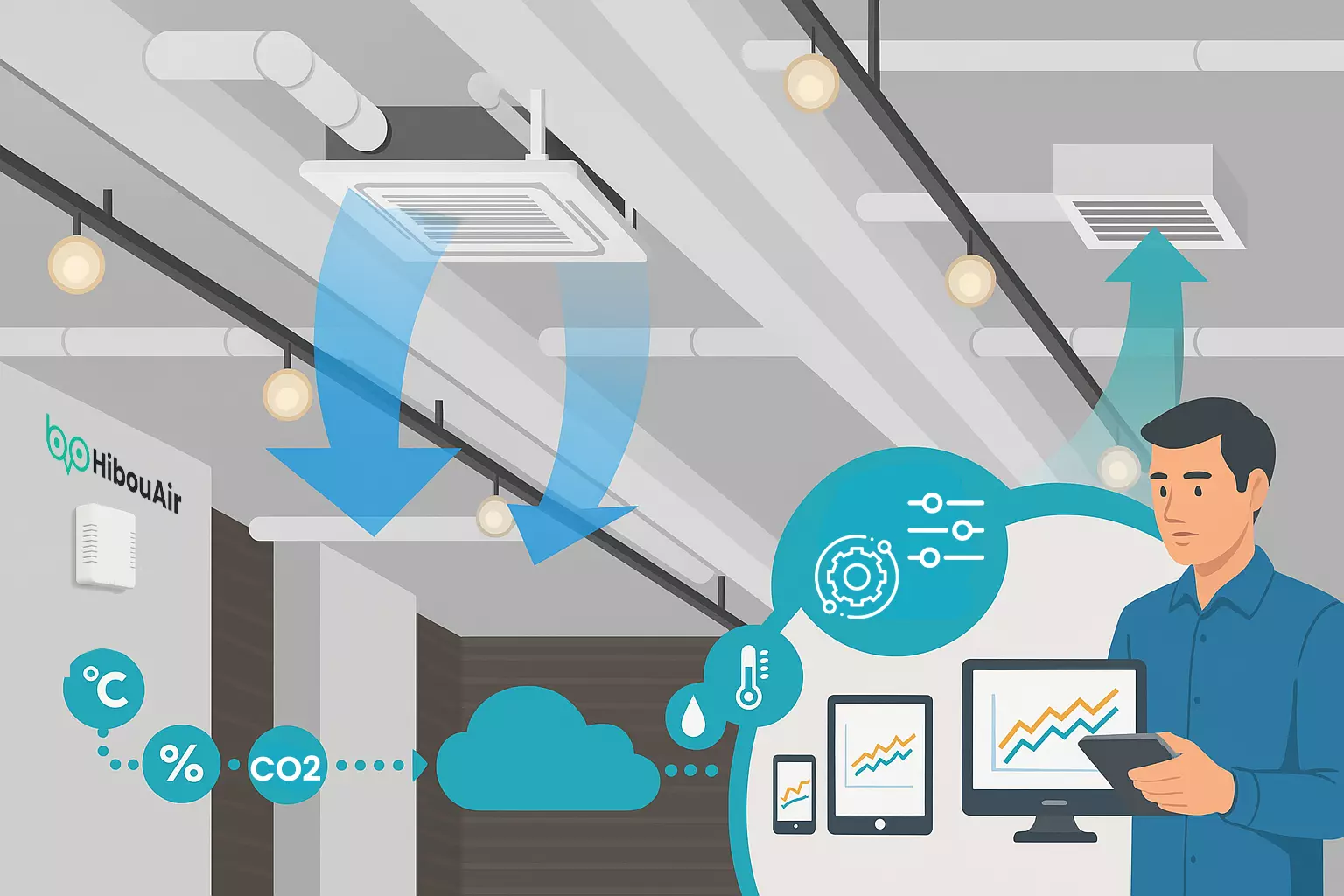
Modern buildings are expected to do more than just provide shelter—they must deliver comfort, safety, and efficiency. At the center of this responsibility is the HVAC system. But without accurate insights into indoor air conditions, HVAC systems often operate inefficiently, wasting energy and compromising well-being.
This is where air quality data from HibouAir makes all the difference.
Turning HVAC Systems Into Intelligent Systems
Traditional HVAC controls are usually based on temperature or fixed schedules. While this offers a basic level of comfort, it overlooks critical factors such as:
CO₂ concentration, a clear signal of occupancy and ventilation needs
Particulate matter (PM), an indicator of harmful pollutants and dust
Humidity and VOCs, key to preventing mold and ensuring healthy environments
By combining these metrics with HVAC operations, buildings can respond dynamically—ventilating when needed and conserving energy when conditions are already optimal.
Reducing Costs While Improving Indoor Health
Energy costs are one of the biggest challenges in facility management. Over-ventilation wastes energy, while under-ventilation compromises health and productivity. With real-time monitoring from HibouAir standalone devices and cloud platforms, HVAC systems can achieve the right balance—ensuring healthier air while cutting unnecessary energy use.
Smarter Maintenance with Predictive Insights
Air quality data doesn’t just improve daily operations—it also supports predictive maintenance. For example, consistently high levels of PM can indicate filters are clogging faster than expected. HibouAir data helps facility teams act at the right time, extending equipment lifespan and reducing downtime.
Designed for Integration and Flexibility
HibouAir solutions are built to work seamlessly within building ecosystems. Our devices already integrate with platforms like Cisco Spaces, Home Assistant, reelyActive, IndoorCare, Grafana, ThingsBoard, and Node-RED. This ensures building managers and developers can connect HibouAir directly into their existing systems.
For HVAC developers, HibouAir’s clear documentation and APIs make integration straightforward. Whether you’re building a new system or enhancing an existing one, HibouAir provides reliable, real-time data to power smart decisions.
Future-Ready Buildings with HibouAir
The future of indoor environments depends on smarter systems that adapt to real conditions. By combining HVAC technology with HibouAir monitoring, buildings become more sustainable, compliant, and healthier for everyone inside.
Discover how HibouAir can transform your HVAC system into an intelligent engine for well-being. Explore our air quality monitoring solutions today.
Ensuring healthy indoor air quality has become a core part of workplace safety, and carbon dioxide (CO2) monitoring plays a critical role in this effort. CO2 is a colorless, odorless gas that builds up naturally in occupied indoor spaces due to human exhalation and other sources. High CO2 levels are not usually directly toxic at the concentrations found in offices, but they serve as an important indicator of ventilation effectiveness and overall indoor air quality. Inadequate ventilation can lead to a stuffy, uncomfortable environment and even affect employees’ well-being and productivity.
Why Monitor CO2 in the Workplace?
Monitoring CO2 provides a quick way to gauge if a workspace is getting enough fresh air. Since people constantly exhale CO2, indoor levels tend to rise in crowded or poorly ventilated areas. Outdoor air is roughly 400 ppm (parts per million) CO2, but indoor concentrations can range from a few hundred ppm up to over 1,000 ppm in occupied rooms with limited ventilation. The key factors are the number of people, the time spent in the space, and the amount of fresh air being supplied. Measuring CO2 is an indirect ventilation check – if CO2 is accumulating, it suggests the space isn’t getting enough outside air for the number of occupants.
Safe CO2 Levels and Official Guidelines
Workplace safety organizations and building standards provide guidance on acceptable indoor CO2 concentrations. Here are key benchmarks from renowned authorities:
OSHA Permissible Exposure Limit (PEL): OSHA (Occupational Safety and Health Administration) primarily treats CO2 as an asphyxiant gas hazard at very high levels. OSHA’s occupational exposure limit for CO2 is 5,000 ppm averaged over an 8-hour workday. This is a safety threshold meant to prevent acute CO2 toxicity in industrial settings – levels this high are uncommon in normal offices. (For reference, some guidelines also note a short-term limit around 30,000 ppm for 15 minutes, and concentrations ~40,000 ppm are immediately dangerous to life and health.) While 5,000 ppm is the legal limit, best practice is to keep indoor CO2 far below this ceiling in everyday workplaces for comfort and wellness.
ASHRAE Ventilation Standards: Rather than a strict CO2 limit, ASHRAE (American Society of Heating, Refrigerating and Air-Conditioning Engineers) sets ventilation rate standards to ensure adequate fresh air per person. For example, ASHRAE Standard 62.1 recommends around 15–20 cubic feet per minute of outdoor air per person in offices and classrooms, which generally keeps indoor CO2 below about 1,000 ppm for most spaces. 1,000 ppm has long been used as a rule-of-thumb comfort target for CO2. While ASHRAE does not explicitly require staying under 1000 ppm in its standards, maintaining roughly 600–1,000 ppm indicates that ventilation is likely sufficient for occupant comfort. In fact, ventilation rates that keep CO2 under 1000 ppm tend to create indoor conditions acceptable to most people.
WHO and Public Health Guidance: In the context of infection control (e.g. COVID-19), health authorities emphasize ventilation. The World Health Organization (WHO) recommends providing at least 10 liters/second of fresh air per person in offices (roughly aligning with ASHRAE’s rates) to reduce respiratory aerosol risks. Since measuring airflow directly can be technical, experts often use CO2 as a proxy. The UK’s SAGE group and other experts advise keeping CO2 below 1000 ppm in general indoor spaces, and below ~800 ppm in higher-risk, high-occupancy settings like gyms or choir rooms. If indoor CO2 ever reaches 1500 ppm or more, it’s considered a red flag indicating very poor ventilation that should be addressed immediately.
CDC Recommendations: The U.S. CDC has recently issued practical ventilation guidelines using CO2 monitors. “A portable CO2 monitor can help determine how stale or fresh the air is. Readings above 800 ppm suggest you may need to bring more fresh air into the space,” according to the CDC. In other words, ~800 ppm CO2 is a benchmark for good ventilation in many scenarios. The CDC advises establishing a baseline CO2 level for each room under optimal ventilation, and if readings exceed about 110% of that baseline, there may be an HVAC issue or ventilation reduction that needs correction. This approach encourages proactive monitoring to ensure ventilation systems keep performing well over time.
By considering these guidelines together, many organizations choose a tiered approach to CO2 levels in workplaces:
Optimal:600–800 ppm (excellent ventilation, akin to outdoor-fresh air in the room)
Acceptable:800–1000 ppm (generally adequate ventilation for most situations)
Action Required:>1500 ppm (inadequate ventilation – take immediate steps to increase fresh air).
Effects of Elevated CO2 on Health and Performance
High indoor CO2 levels affect comfort, focus, and overall air quality. Research shows that even moderate levels around 1000 ppm can impair decision-making and concentration, while levels above 1500–2000 ppm often cause drowsiness, headaches, and fatigue. Prolonged exposure to several thousand ppm may lead to dizziness or nausea, and extremely high levels pose serious health risks. More commonly, elevated CO2 signals poor ventilation, which allows other pollutants to build up and results in complaints of stuffy, uncomfortable air. Keeping CO2 low ensures employees stay alert, productive, and healthier.
Best Practices for Managing Indoor CO2
Maintaining safe CO2 levels starts with proper ventilation—ensuring HVAC systems deliver enough fresh air and are regularly maintained. Where possible, natural ventilation or portable air cleaners can also help. Continuous CO2 monitoring provides real-time insight into air quality, allowing facilities to spot problem areas and act quickly. Setting clear thresholds, such as alerts when levels exceed 1000 ppm, ensures issues are addressed before they escalate. Using data to adjust ventilation, manage occupancy, and educate staff about CO2 monitoring fosters a healthier environment. Ideally, CO2 should remain below 800–1000 ppm to keep workplaces fresh, safe, and comfortable.
CO2 Monitoring Solutions: Devices Like HibouAir
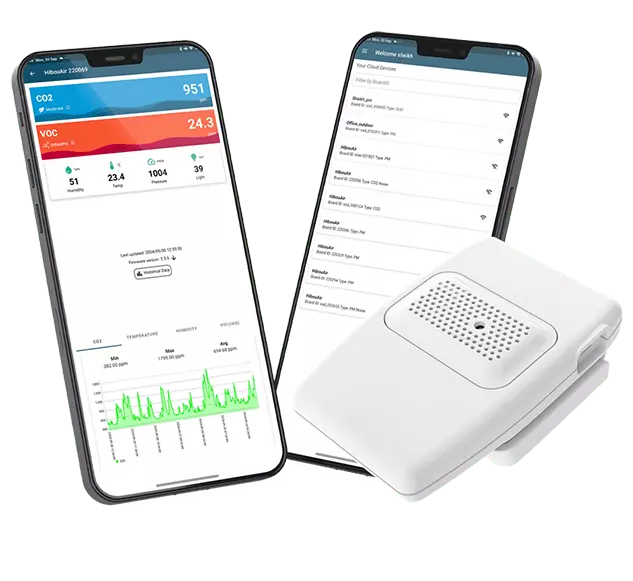
Technology has made it easier than ever to continuously monitor indoor air quality. There are now plug-and-play CO2 monitoring devices that can be deployed in workplaces without complex installation. For example, HibouAir is an indoor air quality monitor that provides real-time measurements of CO2 along with other environmental parameters. HibouAir’s multi-sensor design tracks carbon dioxide levels, temperature, humidity, ambient light, atmospheric pressure, and volatile organic compounds (VOCs) to give a complete snapshot of your indoor environment.
Devices like this are compact and wireless, connecting via Bluetooth or Wi-Fi for easy data access. With continuous monitoring, facility managers can set up alerts when CO2 approaches set thresholds, and view trends over hours or days to identify ventilation issues. For instance, if CO2 steadily rises every afternoon in a certain area, you’ll spot it in the data and can investigate (perhaps an air damper that isn’t opening or an overcrowded meeting area). By keeping CO2 levels in check, organizations can optimize the indoor space for productivity, comfort, and well-being. In other words, a good monitor not only warns of potential safety issues but also empowers you to fine-tune the environment for maximum occupant comfort and efficiency.
CO2 monitoring has become an essential component of modern workplace safety and wellness programs. It provides a simple, objective measure of whether your indoor spaces are well-ventilated and healthy. By adhering to guidelines from OSHA, ASHRAE, WHO and others, organizations can maintain CO2 at levels that ensure worker safety and comfort – typically keeping concentrations under about 1000 ppm, with 600–800 ppm as a gold standard for optimal ventilation. Regular monitoring with reliable devices helps catch any ventilation issues early, allowing facility managers to address them before they impact employees. The result is a workplace that not only meets safety requirements but also supports employee alertness, productivity, and overall well-being. In short, CO2 monitors are valuable tools for creating healthier, safer work environments, and implementing them alongside good ventilation practices is a smart investment in your organization’s most important asset – its people.
In today’s competitive world, leading businesses recognize that a healthy, productive workplace isn’t just a perk—it’s a strategic advantage. Investing in an advanced air quality monitor like HibouAir can not only safeguard employee well-being but also enhance organizational efficiency, reduce absenteeism, and support long-term revenue growth.
Enhanced Employee Wellness and Productivity
Poor indoor air quality leads to headaches, fatigue, respiratory issues, and reduced cognitive performance—symptoms that collectively impact productivity. By consistently monitoring factors like CO2, VOCs, temperature, humidity, and particulate matter, HibouAir enables organizations to proactively maintain a healthier indoor environment.
Providing cleaner air promotes clearer thinking and fewer sick days, allowing teams to stay engaged and focused—driving productivity upward.
Smarter Energy Management and Cost Savings
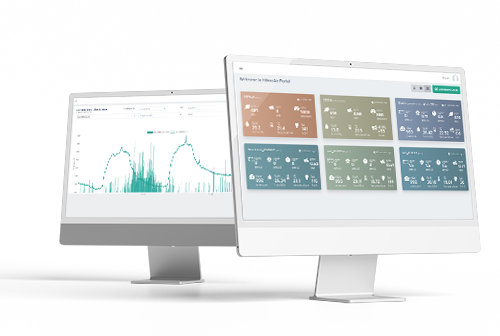
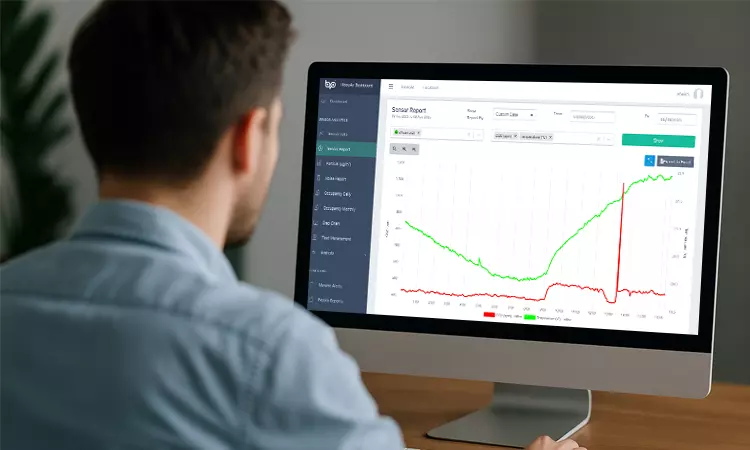
Over-ventilating a space wastes energy, while under-ventilation degrades air quality. HibouAir’s Cloud Solution Lite enables businesses to access both real-time and historical air quality data via dashboards, set alerts, and export reports.
Such insight enables facility managers to fine-tune HVAC systems intelligently—maintaining optimal air quality while lowering energy consumption and costs.
Flexible Deployment Across Business Environments
Whether implemented room-by-room viaDesktop solutions or scaled across offices via Cloud Enterprise solutions , HibouAir devices offer flexible deployment paths aligned with an organization’s needs.
The HibouAir DUO combines CO2 and particulate sensors in one compact device, reducing hardware clutter and simplifying installation and maintenance.
Actionable Insights via Smart Dashboards
Beyond measuring air quality, HibouAir’s cloud dashboards make data actionable. Analytics include real-time alerts, virus index, AI insight, device fleet management, trend reports, and customizable exports—making it easy to spot trends and respond quickly.
These insights equip managers to make informed decisions—whether planning routines, optimizing space usage, or justifying operational investments.
Integration with IoT Ecosystems and Future-Proofing Capabilities
HibouAir’s open architecture supports seamless integration with popular IoT platforms like Grafana,Home Assistant, Cisco Spaces, ThingsBoard, Node-RED, and more. This means air quality data can be incorporated into broader building management systems, smart office dashboards, or performance analytics.
Businesses adopting HibouAir today build an infrastructure ready for tomorrow’s automation and analytics, enhancing scalability and longevity.
A Direct Impact on Revenue
Quality air isn’t just about health—it’s a strategic business advantage. Research shows that enhancing indoor air quality can reduce absenteeism by up to 44%, leading to annual savings like $85,000 in a single office setting. Better air translates to improved cognitive performance: studies link elevated CO2 levels (550 to 945 ppm) with a significant 15% drop in cognitive scores, and higher concentrations (up to 1400 ppm) can result in a dramatic 50% decline. The result? Employees think more clearly, stay healthier, and maintain focus—leading to noticeable productivity gains.
But the benefits go deeper. Healthy air also boosts employee morale and retention, supports a stronger company image, and helps create environments that are appealing to both staff and clients. When businesses optimize air quality with tools like HibouAir, they find themselves minimizing downtime, lowering healthcare costs, and enhancing workforce efficiency—all of which contribute to substantial revenue improvement.
HibouAir is far more than an air quality monitor—it’s a strategic asset that helps businesses to create healthier, more efficient, and more profitable environments. By delivering cleaner air and real-time insights, HibouAir supports improved workplace wellness and heightened productivity. Its advanced dashboards and seamless alerts enable smarter operational decisions that reduce energy waste. Whether deployed in a single office or across a global enterprise, HibouAir’s scalable, integration-friendly design positions it as a forward-thinking choice for modern organizations.
In today’s workplaces, schools, and public spaces, building managers are under constant pressure to optimize comfort, safety, and energy efficiency. One of the biggest challenges is understanding how spaces are being used. Traditional occupancy monitoring solutions often rely on cameras or motion sensors, raising concerns about privacy and surveillance.
HibouAir offers a smarter and more privacy-friendly alternative.
Why CO2 is a Reliable Indicator of Occupancy
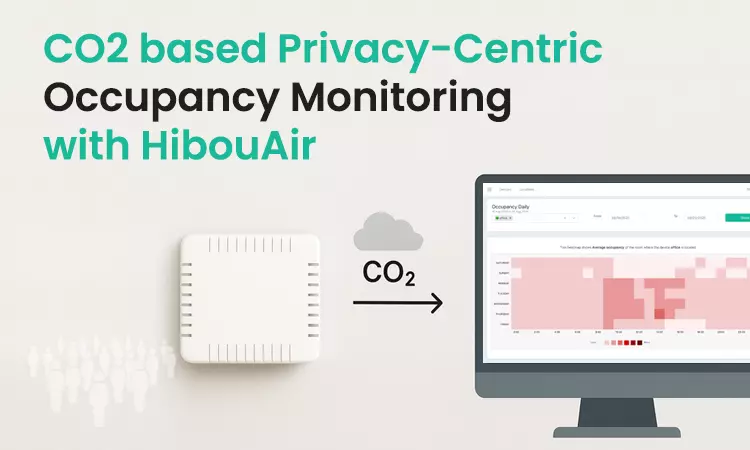
Every time we exhale, we release carbon dioxide (CO2). In enclosed environments, CO2 levels rise proportionally with the number of people in the room. By monitoring changes in CO2 concentration, it becomes possible to estimate occupancy without tracking individuals or compromising their privacy.
This approach eliminates the need for cameras or intrusive technologies, making it an ideal solution for workplaces, classrooms, restaurants, and shared public spaces where trust and privacy matter.
HibouAir: More Than Just an Air Quality Monitor
HibouAir is a standalone, plug-and-play indoor air quality monitoring device. Beyond its core role in tracking CO2, temperature, humidity, noise, and particulate matter, HibouAir doubles as a privacy-centric occupancy meter.
No cameras, no personal data collection
Accurate occupancy insights based on CO2 trends
Compact, discreet, and easy to install
The HibouAir Smart Analytical Dashboard
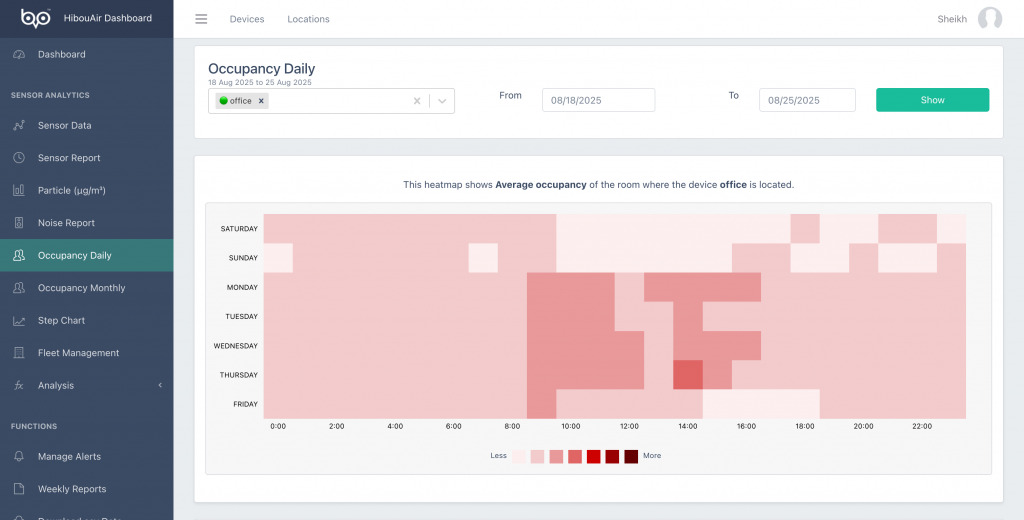
To make data truly actionable, HibouAir comes with its Smart Analytical Dashboard. This cloud-based platform transforms raw CO2 and air quality data into meaningful insights that help building managers understand how their spaces are being used. The dashboard not only provides real-time occupancy estimates based on CO2 levels, but also presents a clear picture of other environmental factors such as temperature, humidity, noise, and particulate matter.
By visualizing occupancy patterns over time, managers can easily identify whether certain areas are underutilized or becoming overcrowded. This information is invaluable for improving space allocation and planning. At the same time, the dashboard enables facilities teams to optimize ventilation systems more intelligently, reducing unnecessary energy consumption while ensuring air remains fresh and healthy. The result is an environment that balances efficiency with comfort, ultimately enhancing the well-being and productivity of everyone inside.
Seamless Integration with Other Systems
HibouAir isn’t limited to its own dashboard. Thanks to its open data accessibility, HibouAir can be easily integrated into building management systems (BMS), IoT platforms, or third-party analytics tools. This makes it a versatile choice for organizations looking to implement CO2-based occupancy monitoring at scale.
Towards Healthier, Smarter, and More Private Spaces
By combining accurate CO2 monitoring with advanced analytics, HibouAir provides a simple yet powerful way to understand how spaces are being used—all while protecting individual privacy.
For businesses, schools, and public institutions that want occupancy insights without surveillance trade-offs, HibouAir sets a new standard.
Modern diners expect more than delicious food and stylish decor – they want to know the environment they eat in is safe and comfortable. Air quality and acoustic comfort are often overlooked in restaurants, yet they shape the experience just as much as the menu. Research by the U.S. Environmental Protection Agency (EPA) shows that indoor air can be two to five times more polluted than outdoor air, and in crowded spaces like restaurants the concentrations of pollutants can be even higher. The World Health Organisation warns that prolonged exposure to indoor pollutants such as fine particles, carbon dioxide (CO2) and volatile organic compounds (VOCs) can lead to asthma, allergies, lung inflammation and other health issues. On the acoustic side, studies by the Acoustical Society of America have found that constant exposure to high noise levels increases stress, makes conversation difficult and can even reduce appetite.
Restaurants face unique challenges. Cooking fumes from grilling and frying release particulate matter and VOCs.Disinfectants and cleaning agents add more VOCs. Crowded dining rooms lead to rising CO2 levels, and furniture and decor can emit chemicals over time. Without monitoring, these pollutants and high noise levels accumulate and directly affect customer comfort, staff well‑being and even food safety perceptions. That is why health‑conscious diners increasingly pay attention to the invisible environment, especially since the COVID‑19 pandemic. Indoor air quality (IAQ) and sound are no longer luxuries – they are essential parts of the dining experience.
Why Restaurants Should Monitor CO2 and Noise
Protecting health and productivity
High CO2 levels indicate poor ventilation. When CO2 rises above about 1,000 ppm, people often report fatigue, headaches and diminished cognitive performance. In a busy restaurant where occupancy fluctuates, CO2 can easily climb into this range. Pollutants such as PM2.5 and VOCs from cooking and cleaning exacerbate respiratory conditions and aggravate allergies. Monitoring CO2 alongside temperature and humidity helps managers ensure ventilation systems are adequate and identify times when fresh‑air intake needs to be increased.
Noise is another invisible stressor. Elevated background noise makes it hard for diners to converse and for staff to concentrate. The Acoustical Society of America notes that constant exposure to high sound levels increases stress, impairs conversation and lowers appetite. For restaurants positioning themselves as calm, family‑friendly or upscale, monitoring decibel levels helps maintain the ambience guests expect.
Meeting customer expectations
The pandemic heightened public awareness of indoor hygiene. Guests now associate a healthy restaurant not just with clean surfaces but also with clean air.Transparent monitoring builds trust: displaying current CO2 or noise levels shows diners that management is proactive. By ensuring that CO2, VOCs and noise stay within recommended limits, restaurants can reduce complaints of discomfort, support staff productivity and reinforce their reputation as health‑conscious establishments.
HibouAir CO2 & Noise Sensor: A Smart Solution for Restaurants
Addressing air quality and acoustic comfort requires reliable data. HibouAir’s CO2 with Noise Sensor device brings that data directly to restaurateurs. Developed by Smart Sensor Devices, this multi‑sensor monitor continuously measures CO2, ambient pressure, temperature, relative humidity, VOCs and noise levels.
How HibouAir Supports Smarter Restaurant Management
Real‑time insights and actionable data
HibouAir’s multi‑sensor platform enables restaurant managers to see live CO2 and noise levels on their phones or desktops and to receive alerts when readings exceed comfort thresholds. Real‑time monitoring means staff can respond quickly—opening windows, adjusting HVAC settings or lowering music volume—before guests notice discomfort. By reviewing historical data, managers can identify patterns, such as elevated CO2 during peak dining hours or increased noise when the bar area is busy, and plan interventions like adding ventilation or acoustic panels.
Enhancing the dining experience
Maintaining healthy air quality and comfortable sound levels improves both staff performance and customer satisfaction. Cleaner air reduces headaches and fatigue, leading to better service and happier diners. Pleasant acoustics allow conversations to flow without shouting. Healthier air leads to better work environments, fewer complaints from guests and stronger brand perception. HibouAir’s device helps restaurants achieve those benefits without disrupting decor or operations.
Building trust and regulatory compliance
Displaying current CO2 and noise readings shows that a restaurant is committed to safety and transparency. As environmental regulations evolve to address indoor air quality, having reliable monitoring equipment will help venues stay ahead of requirements.
Cost‑effective and scalable
With a price point around US $135 and a plug‑and‑play setup, HibouAir offers an affordable entry into environmental monitoring. The device is portable and can be moved between dining areas or installed permanently on a wall mount. Multiple units can connect to the HibouAir cloud dashboard for enterprise‑level management, making it suitable for large restaurant chains as well as independent bistros. The mobile app stores seven days of data, and the desktop and cloud solutions provide longer retention for deeper analysis.
Dining is a multi‑sensory experience. While chefs and designers craft menus and atmospheres, the air and sound within a restaurant quietly shape how guests feel and remember their visit. Research underscores that indoor air quality and noise directly affect health, comfort and business outcomes. HibouAir’s CO2 & Noise Sensor helps restaurants to monitor these invisible factors with precision and ease. By integrating comprehensive environmental sensing with user‑friendly apps, it allows restaurant owners to create healthier, quieter spaces that foster better staff performance and happier, more loyal customers.
Most of us spend the majority of our time indoors, yet the quality of the air inside is often overlooked. Research from the World Health Organization shows that almost everyone in the world lives in places where air quality does not fully meet its recommended guidelines. Indoor air can be affected by fine particles, gases from outdoor pollution, and everyday sources such as cleaning products or building materials. While regulations and standards exist to help limit these pollutants, raising awareness and taking simple actions indoors—like improving ventilation or reducing sources of emissions—play an equally important role in creating healthier environments.
Regulators use air‑quality standards to limit pollutants. For example, the WHO recommends annual average limits of 10 µg/m³ for PM2.5 (fine particles) and 20 µg/m³ for PM10. These guidelines are stricter than current European Union limits (25 µg/m³ for PM2.5 and 40 µg/m³ for PM10), underscoring the need for vigilance even in regions with air‑quality regulations.
Raising awareness through education and public participation
Making indoor air healthier isn’t just a job for government agencies or scientists. Education and public participation are essential. When families, teachers or office managers understand what pollutants are and how to reduce them, they can make everyday choices—like improving ventilation or choosing low‑emission products—that lead to cleaner air. Workshops, school projects and community‑led air quality projects give people first‑hand experience with monitoring. Collecting air‑quality data in homes, classrooms and workplaces and sharing it with neighbours or local officials builds awareness and supports informed decision‑making.
Public participation also helps fill gaps in official data. In many places there are few government sensors, especially indoors. Networks of small monitors operated by communities can identify problem areas, such as poorly ventilated rooms or local pollution hotspots, and support targeted solutions. Real‑time data also allow people to see immediate improvements when they open a window or adjust a ventilation system.
Using simple tools to support community projects
To take part in these projects, people need easy‑to‑use tools. Consumer devices like HibouAir offer a way for anyone to measure what they’re breathing. The HibouAir DUO air quality monitor combines sensors for carbon dioxide, fine dust (PM1.0, PM2.5, PM10), volatile organic compounds, temperature and humidity, providing accurate, real‑time data in a compact package. It connects via Bluetooth, Wi‑Fi or cellular networks. Users can view and export their readings using a mobile application or simple dashboard.
This plug‑and‑play design makes HibouAir suitable for classrooms, homes and small businesses. Teachers can use it during lessons to show how CO2 levels rise when many students are in a room and fall when windows are opened. Community groups can deploy multiple units in different rooms to identify areas with high pollutant levels. Because the data can be shared easily, it becomes a starting point for discussions about improving ventilation, choosing low‑VOC materials or advocating for cleaner outdoor air.
Turning information into action
Numbers alone don’t clean the air. Once people see the data, they can take simple steps: opening windows more often, reducing indoor sources of fumes and dust, or asking building managers to maintain heating and ventilation systems. Over time, public awareness and community‑led monitoring can encourage municipalities to tighten air‑quality standards and align with WHO guidelines, which would prevent thousands of premature deaths.
Air pollution is a major health risk worldwide, but it often goes unnoticed inside our own walls. By educating ourselves and participating in community projects, we can make the invisible visible. Tools like HibouAir helps anyone to understand their indoor air and take meaningful steps to improve it. When public participation, accessible technology and clear health guidelines come together, healthier air becomes a shared goal that everyone can work toward.
Indoor air quality (IAQ) is a dynamic factor influenced by changing occupancy, outdoor pollution levels, ventilation performance, weather, and daily routines. Treating IAQ as static often leads to unexpected issues such as CO2 spikes during meetings or particulate matter surges after cleaning activities. Instead of waiting for problems to occur, predictive analytics enables facility managers to forecast air quality trends and take action before comfort, health, or compliance is compromised. With solutions like the HibouAir Desktop Air Quality Monitoring Solution and HibouAir Cloud Platform, organizations can easily collect and analyze the data required for accurate predictions.
Why Prediction Beats Reaction
Predictive analytics allows managers to anticipate poor air quality instead of responding after conditions deteriorate. For instance, forecasting CO2 and particulate matter trends helps prevent headaches, fatigue, and allergy flare-ups before they occur. This proactive approach also enables targeted HVAC use, increasing airflow only when forecasts indicate upcoming deterioration—saving energy without sacrificing comfort. From a compliance perspective, predictive models provide traceable, time-series forecasts and anomaly reports that simplify ESG reporting and audits. Businesses adopting this strategy, particularly those using advanced monitoring tools like the HibouAir Standalone Device, can maintain high air quality while optimizing operational efficiency.
The Data That Makes IAQ Predictable
Accurate IAQ prediction depends on high-quality, multi-parameter data. Core environmental indicators—CO2 levels, particulate matter concentrations (PM1, PM2.5, PM10), temperature, humidity, volatile organic compounds (VOCs), pressure, and even ambient noise—provide the foundation. Contextual inputs such as room occupancy schedules, ventilation settings, and cleaning activities further refine model accuracy. The ability to collect and integrate all these inputs into one platform is what makes HibouAir’s Analytical Dashboard a vital tool for predictive analysis.
Turning Predictions into Action
Once forecasts are in place, facility managers can use them to guide interventions. For example, ventilation can be pre-emptively increased before predicted CO₂ spikes, reducing energy consumption compared to continuous operation. Cleaning schedules can be adjusted to times when forecasts indicate better particulate dispersion. In facilities with sensitive equipment or artifacts—such as museums—these predictive insights can be combined with specialized monitoring approaches discussed in our article on Monitoring Air Quality in Museums. Predictive maintenance is also possible; if residual trends suggest filtration efficiency is declining, maintenance can be scheduled before air quality drops.
How HibouAir Makes This Possible
HibouAir offers a complete ecosystem for predictive IAQ management. Its multi-sensor devices measure CO2, particulates, VOCs, temperature, humidity, noise, and more with high precision, delivering the rich datasets predictive models require. The HibouAir Analytical Dashboard provides real-time and historical visualization to identify patterns and validate forecasts. The HibouAir Portal offers fleet-wide monitoring and analysis, making it easy to compare multiple sites and correlate indoor conditions with outdoor influences. Features like historical data visualization, real-time alerts, automated weekly reports, and CSV export ensure that both daily operations and long-term analysis are covered.
A Practical Workflow
A straightforward way to begin is by deploying HibouAir devices across all relevant spaces, tagging them with metadata such as capacity, function, and ventilation type. After two to four weeks of baseline data collection, patterns can be established using the dashboard, with anomalies cleaned from the dataset. From there, forecasting models can be implemented, starting with simpler statistical approaches and advancing to machine learning as the dataset grows. Predictions can be tied to automated alerts via the HibouAir Portal, enabling interventions such as pre-ventilation before predicted peaks. Weekly and monthly reports provide stakeholders with evidence of both compliance and improvement.
Tracking Success
Measuring success in predictive IAQ management involves tracking key performance indicators like time spent within target thresholds, the number of predicted high-risk hours, and the precision of alerts. The HibouAir Cloud Enterprise Solution makes it simple to track and visualize these metrics across a portfolio of buildings. Over time, improved IAQ stability and reduced intervention costs prove the value of predictive analytics.
Privacy and Data Governance
Since IAQ data can imply occupancy levels, HibouAir ensures that monitoring remains privacy-conscious by aggregating readings at the zone level and providing secure cloud access via HibouAir Cloud Lite or Enterprise platforms.
The future of IAQ prediction lies in integration—linking HibouAir forecasts with building management systems for fully automated ventilation control, incorporating weather forecasts to anticipate infiltration effects, and applying root-cause analysis when anomalies are detected. As explored in our guide on Improving Indoor Air Quality in Offices, such predictive strategies enhance comfort, reduce costs, and improve compliance. HibouAir’s connected ecosystem ensures that organizations of any size can adopt predictive analytics without the need for complex, custom-built systems.
Every day, we unknowingly inhale thousands of microscopic plastic particles. These airborne microplastics—tiny fragments from degraded plastics, synthetic fibers, and everyday products—pose a growing threat to human health. A recent study estimates that humans inhale up to 70,000 microplastic particles per day in typical indoor environments¹. The situation is even more intense in enclosed spaces like cars, where microplastic concentrations can reach 2,238 particles per cubic meter, with 94% of them smaller than 10 micrometers—small enough to penetrate deep into the lungs².
The Hidden Threat Indoors
Indoor air typically contains 8 times more airborne microplastics than outdoor environments³. This is due to common household items—such as carpets, curtains, furniture, and even synthetic clothing—slowly breaking down and releasing plastic particles into the air. These particles become suspended in household dust and can remain airborne for extended periods, especially in poorly ventilated rooms.
The problem extends beyond homes. Offices, schools, gyms, and vehicles also act as microplastic hot zones. The constant shedding from electronics, furnishings, and synthetic materials creates a near-invisible cloud of plastic particles that we breathe in daily.
Health Risks of Breathing Plastic
Microplastics and nanoplastics can easily enter the body through inhalation. Recent research links these particles to respiratory inflammation, digestive issues, hormonal disruption⁴. Nanoplastics—particles smaller than 1 micrometer—are especially dangerous because they can cross biological barriers and accumulate in critical organs such as the brain, lungs, and reproductive system⁵.
Moreover, many microplastics contain chemical additives like phthalates and bisphenol A (BPA), which have been shown to interfere with hormonal and immune systems⁶. While more long-term studies are needed, current evidence strongly suggests that regular exposure—especially indoors—poses a real and escalating health concern.
Where HibouAir Fits In
Although HibouAir doesn’t directly detect microplastic particles by type, it provides accurate, real-time monitoring of particulate matter (PM1.0, PM2.5, PM10)—size categories that include most microplastic fibers and fragments. By identifying particle concentration spikes in the air, HibouAir helps users recognize when conditions are likely contributing to higher microplastic exposure.
In addition to PM data, HibouAir also tracks CO₂, VOCs (Volatile Organic Compounds), temperature, humidity, and more. These environmental indicators offer important context: high humidity and stagnant air, for instance, can encourage microplastic particles to stay airborne longer, increasing the likelihood of inhalation.
HibouAir’s platform includes mobile application, and cloud-based dashboards that allow users to review air quality trends, set thresholds, and receive alerts—making it easier than ever to monitor and improve the air in homes, classrooms, and workplaces.
Simple Steps Toward Cleaner Air
Experts recommend minimizing microplastic exposure through better indoor hygiene, natural materials, and air filtration. Regular vacuuming with HEPA filters, reducing synthetic fabrics and plastic packaging, and increasing ventilation all play a role. HibouAir complements these practices by providing a continuous feedback loop—helping users evaluate whether actions like opening windows or using purifiers are truly effective in reducing airborne particulate levels.
For example, one study found that indoor PM2.5 levels dropped by 58% when HEPA filters were used during wildfire events⁷. This same principle can be applied to help reduce microplastic exposure—especially since many microplastics fall within the same particle size range.
Microplastics in the air are a silent, invisible threat—and the majority of that exposure happens indoors. While we can’t see them, we can monitor the conditions that allow them to thrive. HibouAir helps users to do just that, offering the tools to monitor, respond to, and reduce the health risks of poor indoor air quality.
A recent study by Imperial College London has confirmed a concerning truth: closing classroom windows does not stop outdoor air pollution from entering schools. Conducted under the SAMHE (Schools’ Air quality Monitoring for Health and Education) project, the study monitored nearly 500 classrooms across the UK and revealed that outdoor air pollution is the primary contributor to indoor air quality issues in schools.
On 6% of the school days, outdoor particle pollution exceeded World Health Organization (WHO) daily guidelines—and these high-pollution days were responsible for a striking 17% of the total indoor pollution exposure over the year (WHO guidelines).
More Ventilation? Not the Solution Alone
Some schools try to address air quality concerns by reducing ventilation on polluted days. However, Dr Alice Handy of the SAMHE team explains that “reducing ventilation will not stop outdoor PM2.5 from entering classrooms.” Even during weekends when schools were closed, pollution levels remained high inside classrooms, especially around events like fireworks night (Dr. Handy’s publication profile).
Moreover, good ventilation is critical for keeping CO₂ levels low, which plays a key role in improving concentration and reducing the risk of airborne infections among students.
HibouAir: Real-Time Insights for Better Air
These findings underscore the urgent need for reliable, real-time air quality monitoring inside classrooms. That’s exactly where HibouAir makes a difference.
HibouAir offers a compact, plug-and-play air quality monitor that continuously tracks: PM1.0 / PM2.5 / PM10, CO₂ and VOCs, Temperature, humidity, and pressure, Noise levels.
This enables schools to respond in real time, adjusting ventilation, purifiers, or class schedules based on current air quality conditions—rather than assumptions.
Sensors and Filters: A Smart Combination
In the same SAMHE study, air filters were tested in an additional 300 classrooms. The result? A 29% reduction in particle pollution compared with nearby schools without filters (poster report).
However, Dr Samuel Wood of the research team noted that even with filters, “outdoor air quality was still the leading driver of classroom pollution” (Dr. Wood’s profile). Filters helped, but without real-time monitoring, schools remain unaware of when air quality actually improves or worsens.
HibouAir bridges this gap by providing data that validates the effectiveness of purification systems and alerts staff during high-risk periods.
Protecting Students Beyond the Classroom
Children are exposed to pollutants not just at school, but also at home—from sources like cooking with gas, personal care products, wood burners, and cigarettes. Research also shows that the journey to school can expose children to more traffic-related pollution than they encounter indoors (ScienceDirect article).
These findings further highlight the value of evidence-based school policies, such as no-idling zones, “school streets,” and fossil fuel reduction efforts.
Take Action: Monitor and Improve
HibouAir helps schools with the real-time data they need to take proactive and informed action. By setting customizable thresholds, schools can receive instant alerts when pollution levels exceed safe limits, ensuring timely responses to protect students and staff. The system also allows for direct comparison between indoor and outdoor air quality, offering valuable insight into how well school buildings shield against external pollutants. With this data, administrators can optimize the use of air purifiers and ventilation systems more effectively, adjusting them based on actual conditions rather than assumptions. Furthermore, HibouAir enables schools to evaluate the impact of sustainability initiatives—such as green infrastructure or reduced traffic zones—by providing measurable evidence of their effectiveness in improving air quality.
Without reliable monitoring, schools are navigating air quality blindly. HibouAir makes that data visible, actionable, and easy to understand.
The classroom should be a space for learning and health—not hidden exposure. As the SAMHE study confirms, pollution isn’t just an outdoor problem, and closing the windows is not the fix.
With HibouAir, schools gain the insight they need to create healthier, more focused learning environments. Let’s build a future where every school knows the air their students are breathing.
As smart environments become more prevalent across homes, offices, and educational institutions, the need to understand and act on indoor air quality has never been more important. While automation platforms like Node-RED have made it easier to connect various devices and services, visualizing live air quality data is often overlooked.
That’s where HibouAir comes in—a powerful, plug-and-play air quality monitoring device that can be easily integrated into your Node-RED dashboard. With this integration, you can receive real-time air quality data directly in your browser, enabling informed decisions, automated actions, and healthier indoor environments.
What is Node-RED?
Node-RED is an open-source, flow-based development tool designed for connecting hardware devices, APIs, and services in a visual way. Developed originally by IBM, it allows users to drag and drop nodes, wire them together, and build automation flows—all with minimal coding.
With support for serial communication and BLE workflows, Node-RED is ideal for developers, researchers, and system integrators who want to visualize sensor data or create smart automation flows.
Creating a Real-Time Air Quality Dashboard Using Node-RED and HibouAir
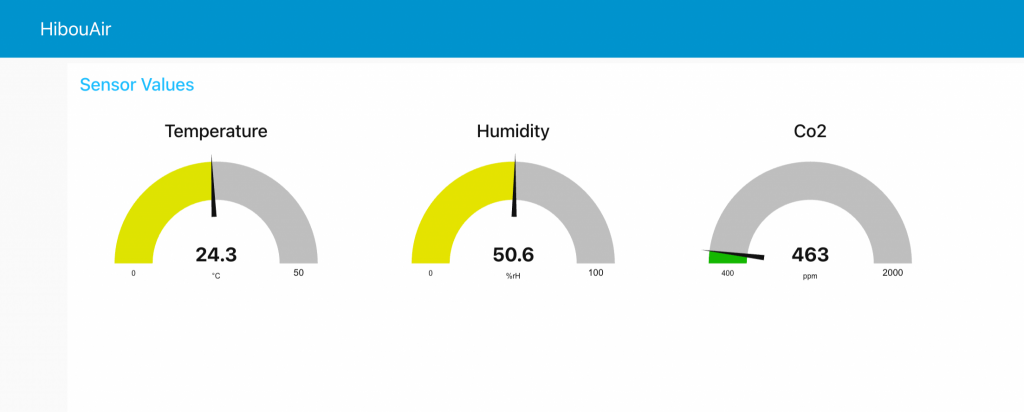
With just a few tools, you can build your own live air quality dashboard using HibouAir and a BLE USB dongle such as BleuIO. The dashboard will show real-time data like CO2, temperature, and humidity, updating automatically as your environment changes.
We’ve created a detailed tutorial on the BleuIO website that shows how to:
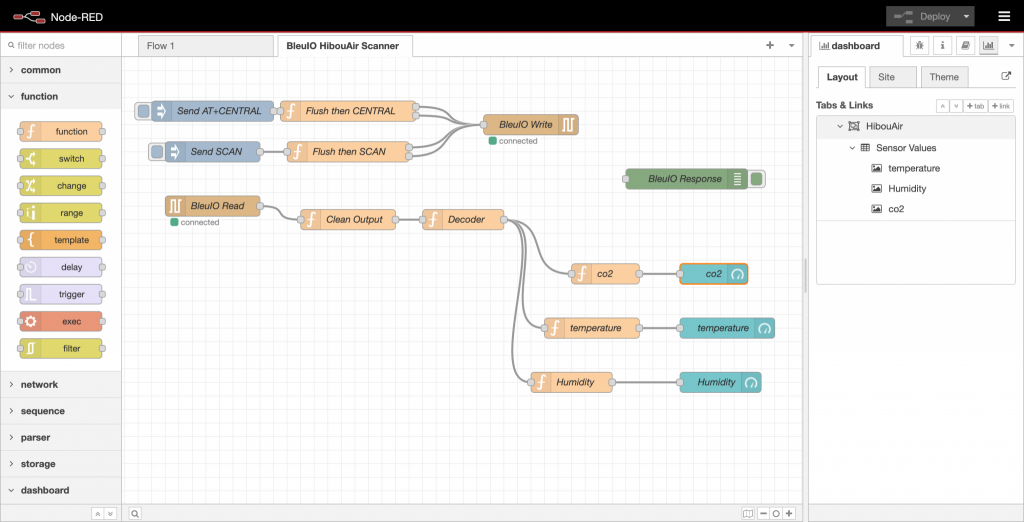
Scan for BLE advertisements from HibouAir
Decode the advertisement payloads
Visualize the data using Node-RED’s dashboard features
Once set up, your dashboard will provide a dynamic view of your indoor air quality, refreshed every few seconds.
Live dashboard
Live readings of CO2, temperature, and humidity.
A snapshot of the working Node-RED flow using BleuIO and HibouAir.
Why This Matters
For homeowners, office managers, and educators, maintaining healthy air quality is not just about comfort—it’s about well-being, productivity, and safety. With live CO2 and PM data, you can Trigger alerts when CO₂ levels rise above healthy limits, Monitor temperature and humidity trends, Automate ventilation or purification systems via smart relays, Keep track of long-term air quality for compliance or optimization.
The Node-RED integration makes this possible without requiring any cloud account or complex setup. Everything runs locally, giving you full control over your environment and your data.
Real-Life Use Cases
Smart classrooms can use this setup to ensure students are learning in fresh, safe environments. Corporate offices can use it to maintain ideal conditions for productivity and energy efficiency. Researchers and developers can prototype BLE dashboards quickly and test new ideas with minimal hardware. Home users can build their own DIY monitoring setup to ensure better air quality for their families.
What You Can Do Next
With a working dashboard up and running, you can expand the project in many ways: Add a chart node to track historical data, Trigger mobile notifications or alarms for threshold breaches, Log data locally or send it to a cloud server for further analysis, Export and share your Node-RED flow with your team.
This is just the beginning. HibouAir’s BLE support makes it perfect for local integrations like this—fast, secure, and customizable to your needs.
Share this post on :
Contact Us
Call us or simply fill out the form below, and one of our representatives will get back to you as soon as possible.